
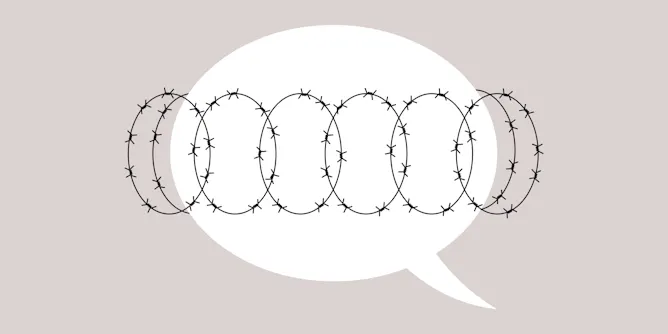
Renee Good’s death was the consequence, writes a First Amendment scholar, of a kind of politics in which the state survives by making dissenters illegitimate as citizens.
Articles on Minneapolis
Displaying 21 - 40 of 41 articles
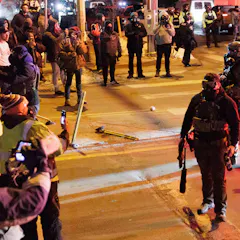
Federal agents have pepper-sprayed, tackled and detained people recording their actions. If you post your recordings of agents, you also risk the feds tracking you and those around you.
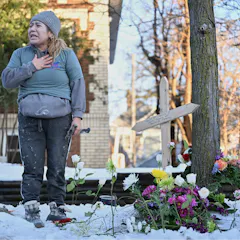
Police departments have changed their policies regarding use of force over the years to protect life, but ICE and other federal agencies have lagged in this regard.

After protests over state violence, news coverage tends to focus on negative stories that can delegitimize dissent. Over time, that often yields to more nuance.
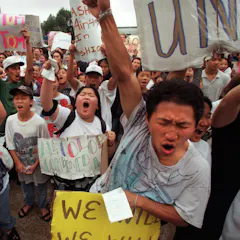
While Americans like to think of themselves as kind, generous people, many refugees would beg to differ.
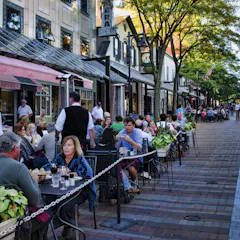
Even ‘climate havens’ face a riskier future, and infrastructure often isn’t built to handle climate change. But there are steps cities can take to prepare.
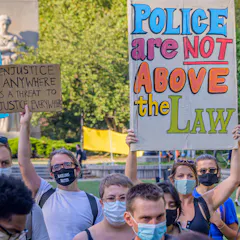
At a time when Americans celebrated their nation’s independence, it’s clear not every American enjoys the same constitutional rights.
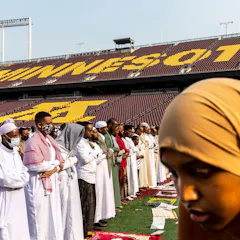
The earliest documented public broadcasting of the Muslim call to prayer in the U.S. took place during the World’s Columbian Exposition in Chicago, 1893.
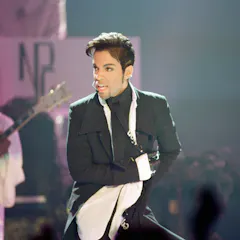
Music education in Minneapolis public schools stood out as one of the best and gave rise to the city’s music scene that helped propel Prince to fame, a scholar writes.
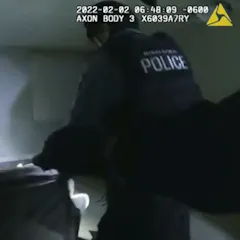
The death of a 22-year-old man in a ‘no-knock’ raid in Minneapolis has sparked fresh concern over the associated risk to the public and police alike.
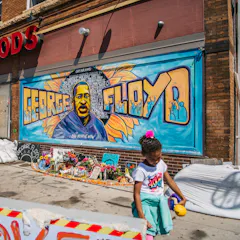
Minneapolis residents voted 56% to 44% against an amendment that would have transformed the city’s police. The reasons they did so are complicated, an expert writes.
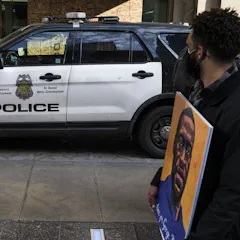
Attempts to reform US police departments fail when they are unable to get community support. Perhaps it is time to take a different tack, argue two criminal justice scholars – one a former cop.
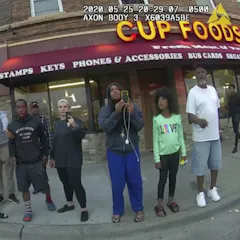
The history and weight of US press freedom played a powerful, but unacknowledged, role in the conviction of Derek Chauvin for murdering George Floyd.
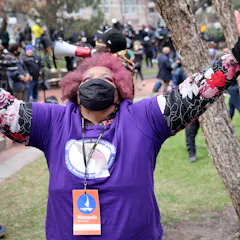
Scholars of policing, law, race and Minnesota history explain the landmark guilty verdicts handed down in the trial for the murder of George Floyd.

The trial of Derek Chauvin for the murder of George Floyd reveals a broken system of policing. The guilty verdicts should be a starting point for fundamental and meaningful change.
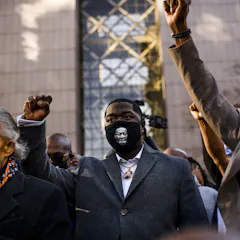
Research on racism and policing in the US, explained by the experts who study it.

Research that measures the public mood based on Twitter posts shows that it’s currently at its lowest point in a decade. One exception: when people visit parks and green spaces.
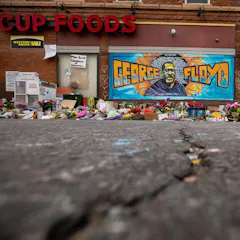
Despite its progressive image, Minneapolis is one of the most segregated cities in the United States. That is by design not accident, argues an urban planning scholar.
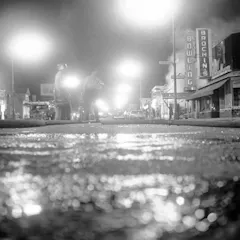
After a riot broke out in 1967, Minneapolis officials squandered an opportunity to address the structural racism that led to George Floyd’s death and a wave of unrest across the country.
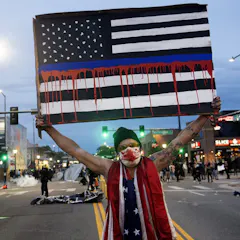
That George Floyd died at the hands of four police officers is uncontested, but interpretations of his death and its aftermath differ greatly. The result is two starkly opposed narratives.
Top contributors
-

Associate Professor at the School of Social Transformation, Arizona State University
-
Ph.D. Candidate in Sociology, University of Minnesota
-
Professor of Journalism, Michigan State University
-
Director and Founder, Center for Social Solutions, Professor of History, Afroamerican and African Studies, and public policy, University of Michigan
-
Data Scientist at the Center for Social Solutions, University of Michigan
-
Researcher at the Center for Social Solutions, University of Michigan
-
Assistant Professor, Augusta University
-
Professor of Law, Loyola University Chicago
-
Assistant Professor of Sociology and Law, University of Minnesota
-
Professor of Religious Studies, Michigan State University
-
Visiting Associate Professor of Sociology, Emmanuel College
-
Assistant Professor, School of Criminal Justice, Rutgers University - Newark
-
Assistant Professor of Sociology, University of Tennessee
-
Assistant Professor of Public Policy and Research Associate in the Rock Ethics Institute, Penn State
-
Professor in American Politics, The University of Melbourne