
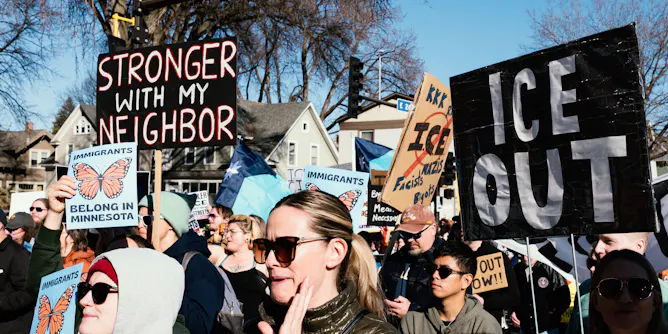
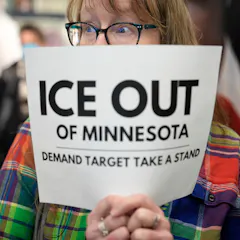
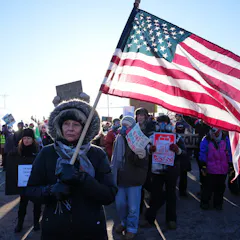
Minnesotans from all walks of life, including suburban moms, veterans and protest novices, have bucked their ‘nice’ stereotype to speak out.
Articles on Minneapolis ICE shooting
Displaying 1 - 20 of 23 articles

From the civil rights era of the 1960s until today, white victims of government violence have received disproportionate attention.
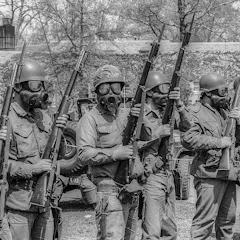
In 1970, National Guard troops killed four protesters at Kent State University. In 2026, federal agents killed two Minneapolis protesters. Public reaction to the deaths was significantly different.
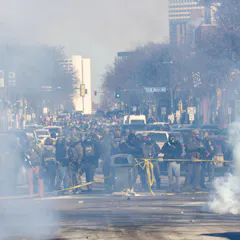
As anger about the presence of ICE in Minneapolis divided the nation, Americans turned to the American Civil War for metaphors.
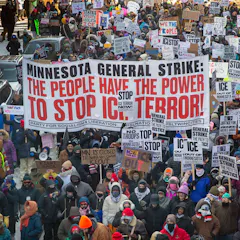
Daniel Cueto-Villalobos speaks to The Conversation Weekly podcast about the origins of people in Minneapolis coming together to protect their neighbours.
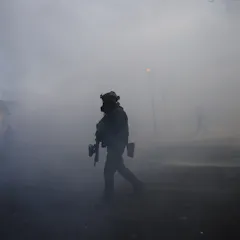
The growth of today’s aggressive immigration tactics traces back 25 years, when enforcement took on the dimension of counterterrorism.
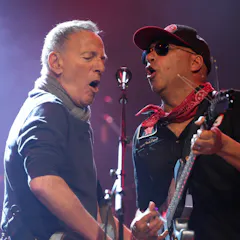
Bruce Springsteen wrote and recorded ‘Streets of Minneapolis’ within days of Alex Pretti’s killing, continuing a long tradition of songs as protest against violence and repression.
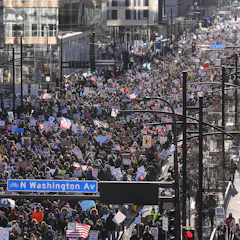
Donald Trump’s penchant for sowing fear is in danger as ICE Out protests remain peaceful and public anger is directed not at demonstrators, but at violent federal ICE officers.
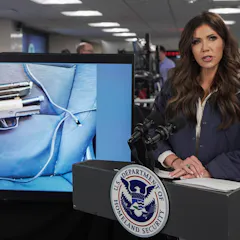
A ‘domestic terrorism’ label that comes before the facts teaches the public to treat the term as propaganda rather than factual diagnosis.
Federal immigration raids in Minnesota prompted a social backlash. But the business community is largely hedging its bets due to a changed political calculus.
Congress has handed ICE a blank check, dramatically increasing its funding without exercising oversight.

State resistance to federal immigration enforcement in Minnesota illustrates how federalism keeps authority divided and disputed.
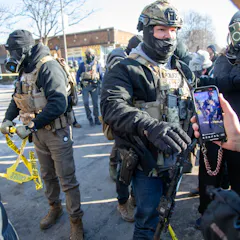
Smartphone video, ICE-tracking apps and 3D-printed whistles have been emblematic of the protests in Minneapolis. Social movements have long latched onto and been catalyzed by new technologies.
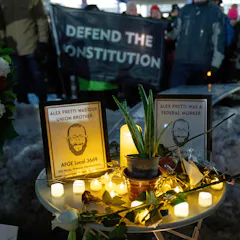
Video evidence flatly contradicts the Trump administration’s account of Alex Pretti’s death.

Americans are learning and doing the kind of work that civilians in war zones worldwide have done for decades: dealing with threats by organizing to help protect their neighbors and communities.
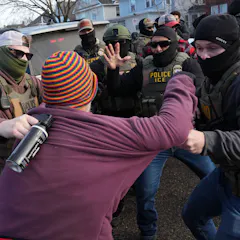
ICE, created in response to 9/11, meets most definitions of paramilitary forces. Critics worry it’s gone beyond its writ of immigration enforcement.
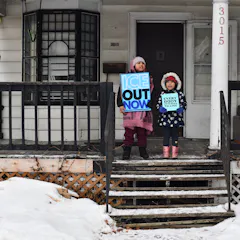
Children with a parent or family member who is detained, or are part of a drawn-out immigration court case, are twice as likely to have anxiety as young adults.

After the regime ‘disappeared’ their children, Argentina’s Madres de la Plaza de Maya relentlessly demanded justice – and exposed the atrocities of a dictatorship.
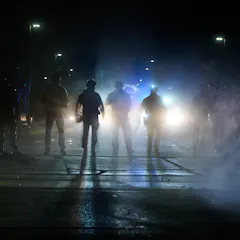
A US district judge is weighing whether the surge of ICE agents in the state violates the US Constitution or falls within the executive’s power to enforce federal law.
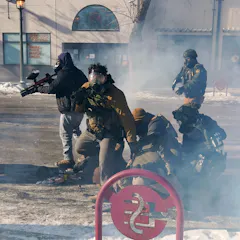
Blaming Pretti’s death on the fact that he was carrying a gun contradicts the second amendment to the US constitution.
Top contributors
-

Ph.D. Candidate in Sociology, University of Minnesota
-
Chair in Social and Political Philosophy of Language, University of Waterloo
-
Associate Professor of Law, Arizona State University
-
Ph.D. Candidate in Geography and Assistant Director at the Center for Refugee Studies, Indiana University
-
Lecturer in History and International Studies, Leiden University
-
Associate Professor of Law, Washington University in St. Louis
-
Professor of International and Comparative Politics, Saint Louis University – Madrid
-
Professor, University at Albany, State University of New York
-
Professor of sociology, University at Albany, State University of New York
-
Associate Professor of Government, Hamilton College
-
Associate Professor of International Studies, University of Denver
-
Associate Dean for Research and Intellectual Life, Albany Law School
-
Professor, Faculty of Humanities, Brock University
-
Assistant Professor of Government, Smith College
-
Professor of Practice, International Affairs, Georgia Institute of Technology