
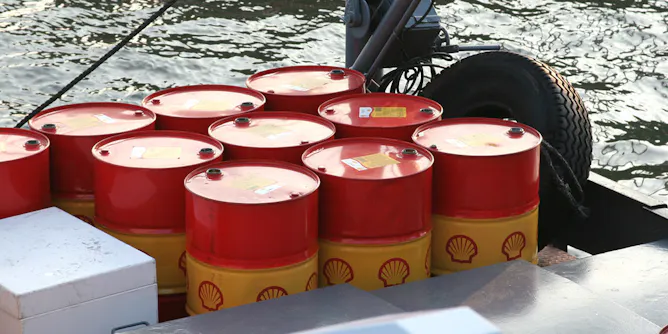
Rising energy prices and tighter global financial conditions are exposing the limits of Ghana’s
import-dependent fuel model.
Articles on Mining
Displaying 21 - 40 of 643 articles
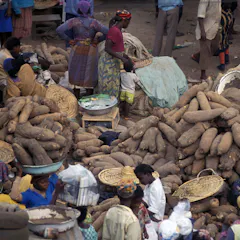
Communities affected by mining project delays live in a state of suspended time for three years.

You don’t have to be born rich to make big money in Australia, but it certainly helps.
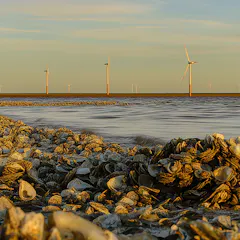
Under the right conditions, 1g of oyster shells can capture and lock away up to around 1.5g of the rare earth elements present dissolved in the surrounding water.

New data shows mining remains one of Australia’s most unequal industries – but the gender gap isn’t just about pay.
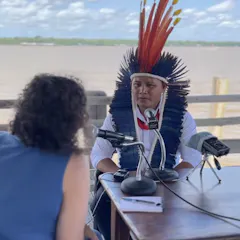
The podcast was created in partnership with UFPA to showcase what scientists in Brazil and Australia are doing to mitigate the impacts of climate change
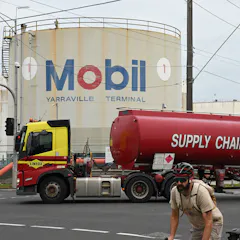
It’s highly unlikely Australia will end up with no diesel. But if what is available becomes extremely expensive, the whole economy – and all of us – will feel it.
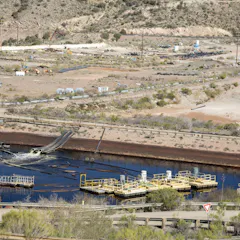
There’s lots of copper in the ground, but demand is already outstripping usable supply – and the shortfall is likely to get worse.
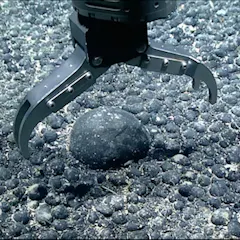
There’s a growing interest in mining the ocean seabed for minerals essential to technology. But whose minerals are they? A Law of the Sea scholar explains.
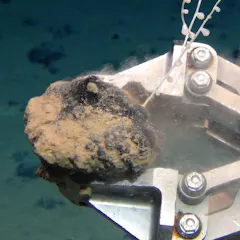
Critical minerals are found in several forms in the ocean, from potato-size nodules to brine pools. They are also in some of the least understood parts of our planet.
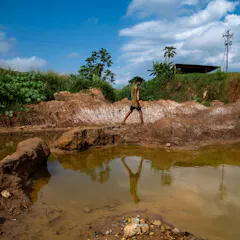
The Orinoco Basin is one of the most biodiverse places on the planet. It’s also rich in oil, gold and critical minerals crucial to modern technology.
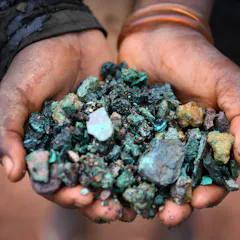
The supply of critical minerals like lithium faces serious risks because of the failure of community approval.
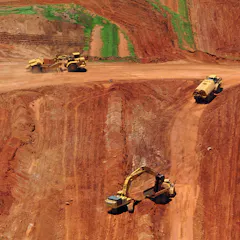
Mining has driven Australia’s prosperity and way of life. It’s also environmentally and socially destructive. Our mining crime novels explore this tension.
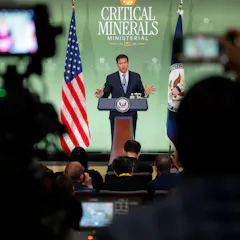
When the US invited more than 50 countries to discuss a new club to share critical minerals, China was not invited. Will Australia be forced to pick a side?

Native American lands contain 30% of the nation’s coal, 50% of its uranium and 20% of its natural gas, as well as copper, lithium and rare earth elements.
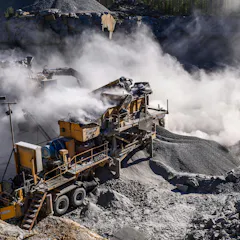
Civil-society organisations are changing Ghana’s accountability landscape.
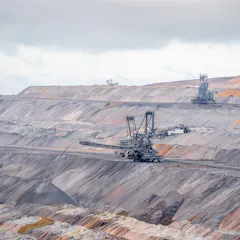
Join us for a discussion on how weak environmental governance brings a curse to natural resources and indigenous people in Halmahera and the Amazon.
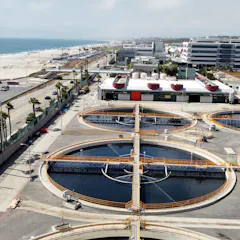
Desalination of seawater and sewage treatment plants leave behind water that contains high concentrations of salt, metals and other contaminants. What if that water could be separated from the rest?
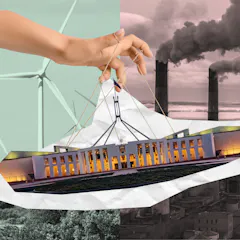
New research finds about 20 groups dominate climate policy in Australia, from firms to industry advocates and NGOs to thinktanks.

Interpersonal fear often explains why workplace hazards go unreported, even in high-risk industries.
Top contributors
-

Professor and Director, Centre for Social Responsibility in Mining, The University of Queensland
-
Associate Professor of Environmental Engineering, RMIT University
-
Professor, School of Economics, The University of Queensland
-
Honorary Professor, School of Natural Sciences, Macquarie University
-
Professorial Research Fellow, The University of Queensland
-
Associate Professor, Technology and Innovation, University of Technology Sydney
-
Assistant Professor of Law, Faculty of Law, University of Calgary
-
Distinguished Professor of Energy and the Environment, University of Delaware (USA); Honorary Professor, The University of Queensland
-
Distinguished Research Professor and Australian Laureate, James Cook University
-
York Research Chair in Environmental Law & Justice in the Green Economy, York University, Canada
-
Professor of Law, Deakin University
-
Director and Professor, Australia-China Relations Institute (UTS:ACRI), University of Technology Sydney
-
Adjunct Associate Professor in the School of the Environment, The University of Queensland
-
Professor of Environmental Science, University of South Africa
-
Adjunct Professor, Crawford School of Public Policy, Australian National University