
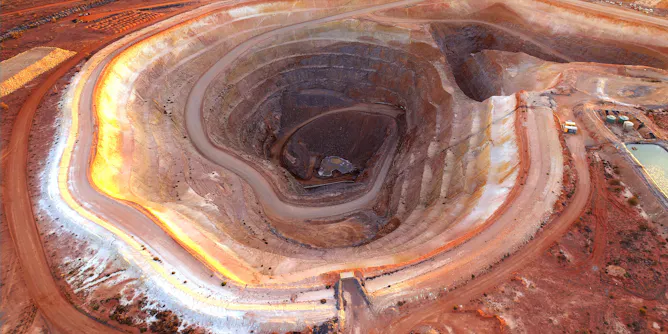
Huge open-cut mining pits would be turned into reservoirs to hold water for renewable energy storage. It would give the sites a new lease on life and help shore up our low-emissions future.
Articles on Mine rehabilitation
Displaying all articles

Land is a scarce resource. Restoration enables sustainable and dynamic use of former mining land and creates opportunities for ex-mining towns.
Nearly 400 new mines could open by 2035 to meet demand for the minerals used in global electrification. Better recycling can help with supply, but mining’s impacts will have to be better managed.
The people of the Hunter have a clear picture of the future they want. But to unlock the region’s future opportunities, we must first clean up the costly legacy of its coal-mining past.
This mine has destroyed thousands of lives and livelihoods in Bougainville, an island in Papua New Guinea. It’s time Rio Tinto cleaned up its mess.
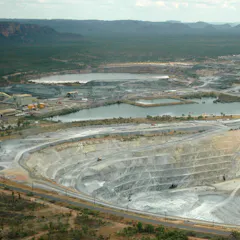
The success of the rehabilitation of the Ranger uranium mine will be judged by criteria created by the mining company.
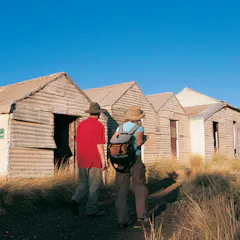
The industrial patterns of mining shaped many Australian towns, which found varied uses for disused mine sites. The mining boom ensures the challenges these sites present will be with us a long time.
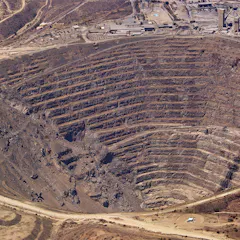
The devastating impact of mine closures could be avoided with economic and scientific interventions.

Identifying mine waste materials as economic resources will help support global demand for critical metals, boosting the mining industry during the downturn. All with environmental benefits.
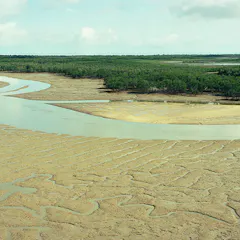
Last Saturday, toxic material leaked from the Ranger uranium mine in the Northern Territory. The mine ceased operation in 2011 after more than 30 years in action, raising the question of what happens to…
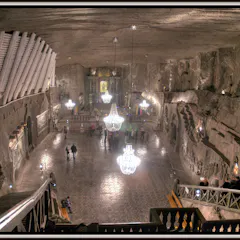
Is it possible to have an ice-skating rink in an old mine? Or perhaps a wine and cheese cellar in a mine shaft? Or even a swimming pool in a processing plant? It isn’t just possible – it can be environmentally…
Top contributors
-

Research Fellow, Monash University
-
Professor emeritus, University of Cape Town
-
Principal Research Fellow/ Group Leader- MIWATCH, The University of Queensland
-
Senior Researcher, University of Cape Town
-
Professor of Pyrogeography and Fire Science, University of Tasmania
-
Researcher, Future Water Institute. Bioprocess engineering background
-
Postdoctoral research fellow, University of Cape Town
-
Director for the centre of bioprocess engineering research, University of Cape Town
-
Senior Lecturer, Department of Architecture, Monash University
-
Research Officer, School of Engineering, Australian National University
-
Professor, Co-Founder, Critical Minerals Consortium, and Australia-India Critical Minerals Research Hub, Monash University
-
Senior Research Consultant, Institute for Sustainable Futures, University of Technology Sydney
-
Postdoctoral Research Fellow in Energy Transitions, Deakin University
-
Professor of Engineering, Australian National University
-
Affiliate, Sydney Environment Institute, University of Sydney