
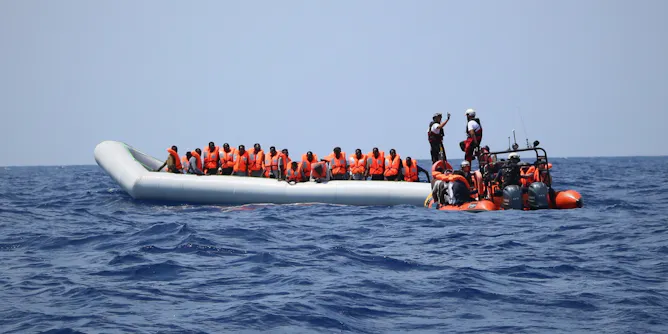
An algorithm driven world is dehumanising – but by understanding this we can call for a more equitable and human use of data.
Articles on Migrants
Displaying 221 - 240 of 493 articles

In some cases, women are left without food or anywhere to live for the duration of their pregnancy.
Smartphones supported migration flows by providing migrants with access to online information before and during travel and when they arrived at their destination country.
Trump made three anti-immigration pledges in 2016: ban Muslims, build a wall and enforce all immigration laws. Four years on, a migration scholar examines his record – and its effect on the country.

As a zoonotic virus, COVID-19 is itself a symptom of human-influenced climate change. It is also indicative of the humanitarian impact of future environmental crises.

Pandemic fears could permanently harden Canadian attitudes toward immigration, and generate pressure to reduce the number of yearly arrivals.
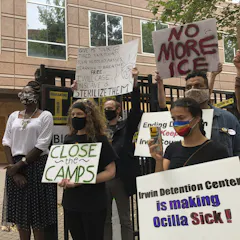
The recent allegations against an ICE facility in the U.S. are part of a long history of forced sterilizations of Indigenous, Latina and Black women.
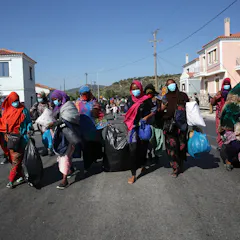
The pact is largely characterised by the continuation of older ideas, despite the change in tone.
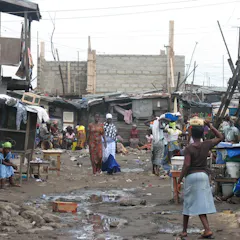
In cross-sector collaboration, communities and citizens articulate their needs and then partner with governments and NGOs to address these self-identified problems.

Rocks exposes the realities of social care, where children feel left out of decisions that shape their lives.

The COVID-19 pandemic provides parents with an opportunity to consider selecting books that address issues confronting children globally.

Women juggle many responsibilities in their lives. Research reveals the importance for migrant women of taking even brief breaks from their daily routine of home, work or care-giving activities.

People moving to new cities build new connections and develop resources to meet their needs. But the pandemic has cut off access to the spaces and facilities that enable this.
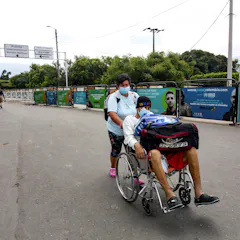
The coronavirus-related closure of the Colombian border hasn’t stopped desperate Venezuelans from entering – but it has made the trip more dangerous.
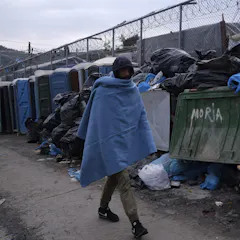
Based on how other diseases have moved through refugee camps, there is an urgent need to protect refugees in camps and informal settlements from COVID-19.

Immigrants and other newcomers to Canada are worried about maintaining their relationships and staying afloat, and need government consideration and support.
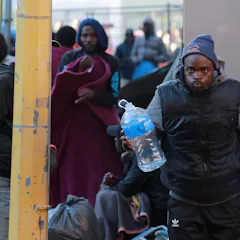
From getting schooling for their children through an app in the wrong language to trouble finding gloves and masks, refugees across the globe face different challenges in dealing with the coronavirus.
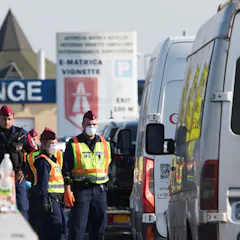
What parallel can be drawn between the Schengen countries’ management of the migrant crisis in 2015 and their response to the current health epidemic?
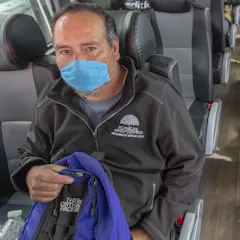
The demands of social distancing during the coronavirus pandemic will make it increasingly difficult for migrant agricultural workers to meet their basic needs.

The health crisis is pushing governments to try to control the movement of people, but migrants continue to arrive in EU reception centres, which are currently experiencing a crisis of tragic proportions.
Top contributors
-

Visiting professor, Harvard University
-
Associate Director, Refugee Law Lab, York University, Canada
-
Associate Professor, Faculty of Arts, Design and Architecture, UNSW
-
Research associate, Centre for Refugee Studies, York University, Canada
-
Professor of Anthropology, The Ohio State University
-
Program Director, Housing and Economic Security, Grattan Institute
-
Professor, Sociology, University of Windsor
-
Associate Professor of History, Carleton University
-
Professor of International Migration and Forced Displacement and Director of the Institute for Research into International Migration and Superdiversity, University of Birmingham
-
Associate Professor, Department of Law and Legal Studies, Carleton University
-
Professor of International Politics, University of Warwick
-
Postdoctoral research fellow University of Barcelona, Universitat de Barcelona
-
Senior Research Fellow, Centre for Trust, Peace and Social Relations, Coventry University
-
Deputy Program Director, Migration and Labour Markets, Grattan Institute
-
Associate Professor, sociology department, University of Toronto