
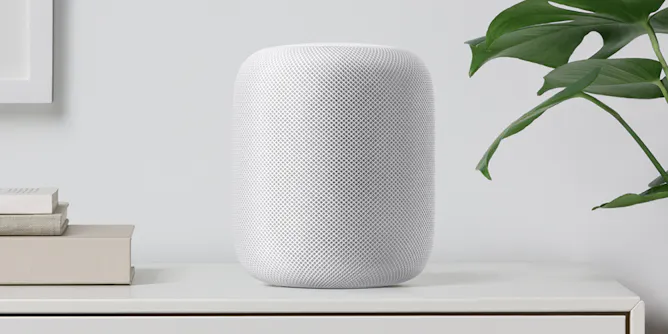
Apple’s closed system may be its undoing in the smart home market.
Articles on Microsoft
Displaying 121 - 140 of 206 articles
Apple’s iPhone X is here, which means its push into augmented reality begins in earnest.

It hasn’t been a good round of earnings for Silicon Valley’s big names.

If Facebook already knows how you feel from reading what you post, soon it will know from reading the expressions on your face.

What’s the best way for spy agencies to protect the public: secretly exploit software flaws to gather intelligence, or warn the world and avert malicious cyberattacks?
“It is time for a digital Geneva Convention to protect the internet.”

Facebook wants to stop violent videos appearing in its feeds, but we must ensure human moderators don’t suffer.
When technology evolves, it affects not only your financial position but also your ability to exercise other choices.

Microsoft Kinect’s cheap sensors could create low-cost 3D computer models of crime scenes.
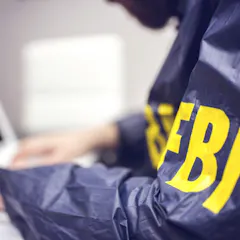
We don’t expect our own government to hack our email – but it’s happening, in secret, and if current court cases go badly, we may never know how often.

Unlike their counterparts in Europe, U.S. antitrust regulators and courts have tended to view ‘free’ products as outside their purview for enforcement.
With LinkedIn showing little evidence of growth, Microsoft’s reasons for its US$26 billion spend on the company are explored.
Microsoft’s strategy for LinkedIn is likely to follow the path of Yammer.
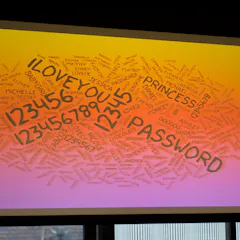
Tech giant Microsoft wants to rid the world of “dumb” passwords to improve online security. But maybe it’s the password itself we should dump.

Tech companies play a growing civic role in how we operate as a society. We need to be sure we’re happy with that.

The world’s largest technology companies are making public the programming and hardware designs at the center of their businesses.

There are many recent cases of women being abused or harassed online. But technology can also play a role in preventing violence against women.
Microsoft warned back in 2014 that anyone continuing to use Windows XP, once it ended support, would be vulnerable to attack. So why are some organisations still using the old operating system?
The tax law established pre-internet is failing to keep up with the digital economy.
What is it about modern digital technology that inspires suspicion rather than trust?
Top contributors
-

Director of UWA Centre for Software Practice, The University of Western Australia
-
Adjunct Senior Lecturer, Applied Ethics and CyberSecurity, Griffith University
-
Senior Lecturer in Networking, The Open University
-
Professor of Practice, Warwick Business School, University of Warwick
-
Professor of Cyber Security Practice, Edith Cowan University
-
Dean of Global Business, The Fletcher School, Tufts University
-
Senior Lecturer in Digital Cultures, Australian Research Council DECRA Fellow, University of Sydney
-
Associate Professor, School of Law, University of Canberra
-
Lecturer in Software Engineering, Monash University
-
Lecturer in Strategy, Cambridge Judge Business School
-
Senior Lecturer in Computing and Information Systems, Cardiff Metropolitan University
-
Associate Professor, Informatics and Operations, Kingston University
-
Professor of Organisational Behaviour, Bayes Business School, City St George's, University of London
-
Adjunct professor, UNSW ; University of Technology Sydney
-
Senior Lecturer, Information Technology, Murdoch University