

For the poorest households in Asia, even small loans can lead to expensive debt traps.
Articles on Microfinance
Displaying all articles

Responsible borrowers are locked out of the global financial system for reasons beyond their control. A study looking at shopping habits offers a novel solution.
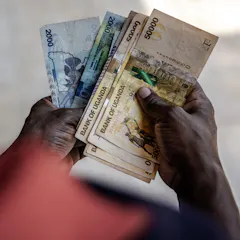
For people without access to banks, community savings groups are a lifeline. New research suggests they’re good stewards of donors’ money, too.
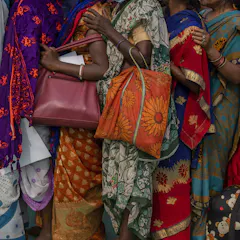
India’s microlending programs, meant to help poor women get out of poverty, have become another point of caste discrimination
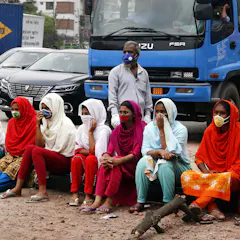
When the Nobel Peace Prize was awarded to Bangladeshi economist Muhammad Yunus in 2006 for his concept of microfinance, it brought what began as a local policy experiment in the 1970s to global attention…

You can’t fix financial literacy with digital wallets.
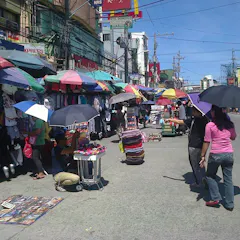
Street vendors are the most visible of the people who work in the informal sector – up to half the urban workforce in cities like Manila – but whose needs and rights receive no official recognition.
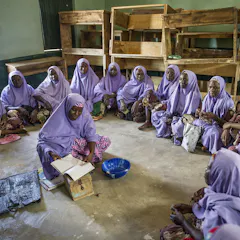
If programs don’t challenge the structural causes of gender inequality, microfinance will just continue to reinforce poverty and inequality.

Small loans from governments and philanthropists are often held up as a route out of poverty. But proper research into whether they work is thin on the ground.
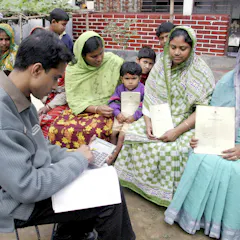
Grameen Bank has potential to increase financial inclusion in Australia but regulation is holding it back.
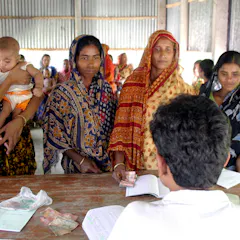
A new study finds that giving small loans to very poor people reduces both the incidence and depth of poverty in the developing world.
Already becoming a darling of Wall Street, blockchain technology’s biggest real benefits could come to the world’s poorest people. Here’s how.
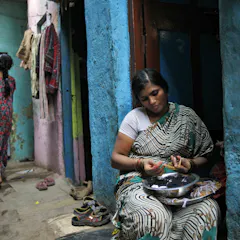
Providing women with credit improves gender inequality.

The global push for financial inclusion could end up with unintended consequences.

After 1994 the microcredit movement helped plunge large numbers of black South Africans into heavy debt and poverty while enriching a few white elites who provided the loans.
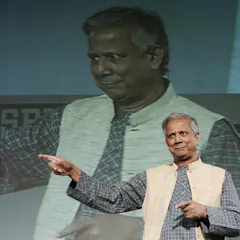
Microcredit, which was viewed as a perfect market-affirming solution to poverty in developing countries, has collapsed. In 30 years it’s gone from Zorro to Zombie.

A strong case needs to be made for the survival of community-based financial organisations. While not perfect, the sense of ownership is high.

At this time of the year, our mailboxes and inboxes get flooded with Christmas appeals. Many of them feature heart-wrenching and guilt-inducing images of people in need, the idea being that they tug at…
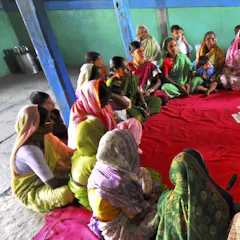
The introduction of hard-nosed private sector investment and the age-old pressures of social norms mean microfinance institutions are at risk of losing their social conscience – and both clients and staff…
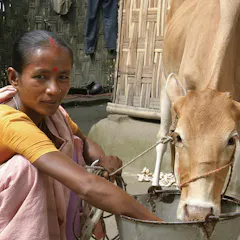
In 1976, a small experiment was conducted in the poverty-stricken and flood ravaged Bangladeshi village of Jobra. Professor Muhammad Yunus, a lecturer of Economics at Chittagong University visited the…
Top contributors
-

Senior Lecturer in Economics, Federation University Australia
-
Visiting Professor of Economics, Juraj Dobrila University of Pula, Croatia
-
Nottingham University Business School China, University of Nottingham
-
Professor of Strategy and Policy, Cambridge Judge Business School
-
Professor of Development Studies, Executive Director of the Global Development Institute, University of Manchester
-
Lecturer in Economics, University of Venda
-
Associate Professor, School of Archaeology and Anthropology, Australian National University
-
Professor of Economics, Griffith University
-
Senior Lecturer and Researcher, School of Social Sciences, Monash University
-
Research Associate, University of Bath
-
Lecturer in Accounting, Finance and Economics, Griffith University
-
Reader in Human Geography, Royal Holloway, University of London
-
Postdoctoral Research Fellow, Institut français de Pondichéry
-
Research Fellow – Informal Urbanism (InfUr-) Hub, The University of Melbourne
-
Lecturer in International Development, King's College London