

In early 2020 we didn’t know whether a COVID vaccine was possible. And we changed our minds on face masks and surface transmission.
Articles on MERS-CoV
Displaying all articles

Our first exposure to a pathogen, either naturally or via vaccination, can affect how our immune system responds in the future to the same or similar pathogens.

Some insights into previous outbreaks of human coronaviruses may be useful in explaining the comparatively ‘low’ numbers of COVID-19 infections and mortality in people with HIV in South Africa.

During the last six months, news reports have mentioned dozens of drugs that may be effective against the new coronavirus. Here we lay out the evidence and reveal which ones are proven to work. Or not.

South Korea’s mass surveillance to curb the coronavirus pandemic uses technologies and techniques that are grounded in anti-LGBTQ discrimination.
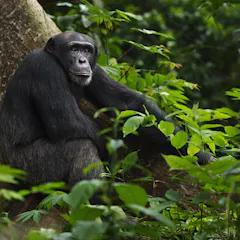
Zoologists have known for decades that some of the most devastating viral infections originate from animals. Their data and research can be used in efforts to prevent pandemics.
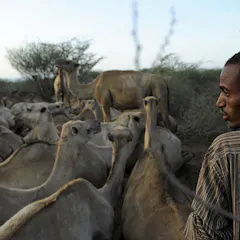
This is the first time that camel handlers in East Africa have been shown to have been exposed to MERS.
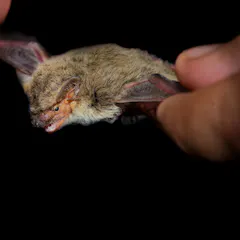
Bats have been the reservoir for recent disease outbreaks, including SARS and the current COVID-19 pandemic. But it’s human activity that allows the virus to cross over.

Winter is flu season – could it be coronavirus season as well? The research is mixed, but other factors besides temperature and humidity have more to do with the spread of SARS-CoV-2.
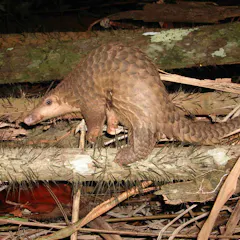
When a new virus emerges and triggers a pandemic, it is important to trace its origins. Knowing more about how the virus jumped species in the first place can help curb future zoonotic diseases.
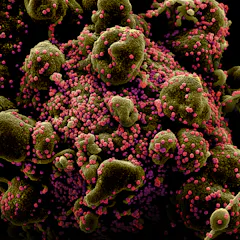
The new coronavirus, SARS-CoV-2, spreads faster than the H1N1 influenza virus and is much deadlier. SARS-CoV-2 is particularly skilled at keeping cells from calling out for help.

In the most severe cases, COVID-19 patients need oxygen pumped directly into their airways, or even be hooked up to a machine that does the job of their heart and lungs.

A medicinal chemist addresses questions about chloroquine and hydroxychloroquine: what it is, whether it is effective against COVID-19 and whether it can treat and/or prevent this disease.

Could the 1889-1890 pandemic have been the result of cow coronaviruses jumping to humans?
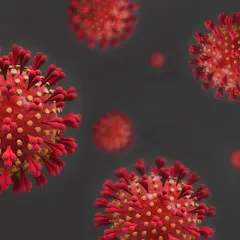
Scientists need to close the knowledge gap around COVID-19 and the virus that causes it.

African countries need to strengthen their capacity for identifying new cases.
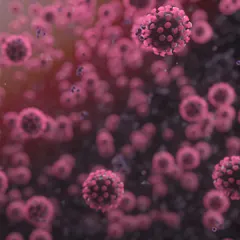
Many of these new diseases cross over, jumping from wild animals to people.

A key component of how the coronavirus could be spreading is the environment.
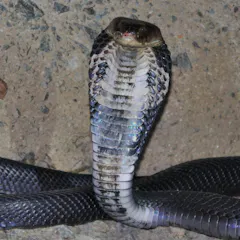
A new coronavirus related to SARS and MERS has now traveled from China to the United States. A genetic analysis reveals that this deadly pathogen may have originated in snakes.
Top contributors
-

Associate professor, University of KwaZulu-Natal
-
Dean Faculty of Sciences and Professor in the Department of Microbiology, Stellenbosch University
-
Professor of Immunology and Associate Dean, Research and Graduate Studies, University of Guelph
-
Professor of Pediatrics and Law and Health Policy, Vanderbilt University
-
Postdoctoral Fellow, Society of Fellows in the Humanities, University of Hong Kong
-
Associate Professor (Teaching), Biology Department, University of Waterloo
-
Veterinary epidemiologist, International Livestock Research Institute
-
Professor, University of Johannesburg
-
Professor of Medicine, University of Virginia
-
Conjoint Professor, School of Medicine and Public Health, University of Newcastle
-
Professor of Chemistry and Biochemistry and President-Elect of the International Society for Antiviral Research, University of Maryland, Baltimore County
-
Professor of Microbiology and Molecular Genetics, University of Pittsburgh
-
Professor of Computational Medicine & Bioinformatics, University of Michigan
-
Postdoctoral Fellow of Computational Medicine and Bioinformatics, University of Michigan
-
Associate Professor of Viral Immunology, Department of Pathobiology, University of Guelph