
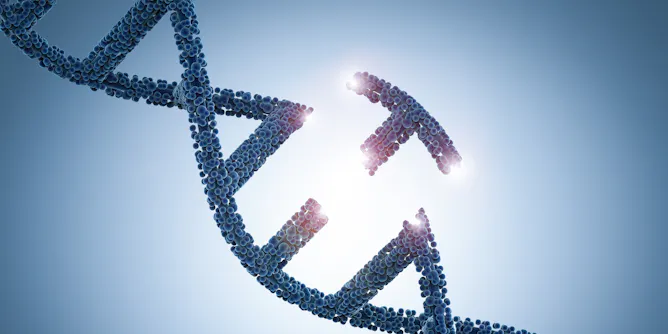
In the absence of clear-cut regulation, who should decide on where and how a technology that could change the course of human health should be applied?
Articles on Medical anthropology
Displaying all articles
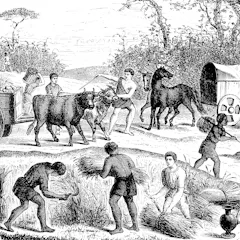
Human factors − such as how people produce food and how they organize themselves and live together − influence disease outbreaks.
Art, music and poetry therapy can help patients feel more optimistic and less isolated as well as to embrace the uncertainty that comes with illness.
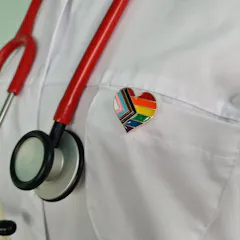
Though some LGBTQ+ health care providers may try to separate their personal and professional identities, the prejudice they experience highlights their queerness in the clinic.

The clitoris is not small at all, it’s just that only 10% of the organ is actually visible.
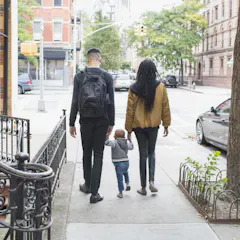
For people who struggle to meet their basic needs, it will take a lot more than simple psychological exercises to flourish. It will take systemic change.
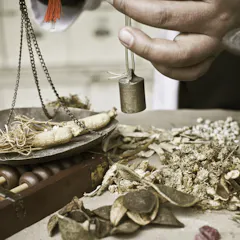
The usefulness of a drug is typically measured by its active ingredient. But traditional Chinese medicine shows that there’s more to healing than using the right chemical.
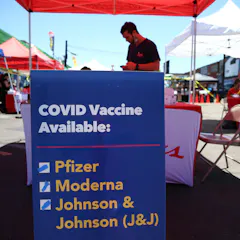
People who haven’t gotten vaccinated for COVID-19 often have complex reasons for their relunctance or may face other barriers. Lumping them all together undercuts the vaccination campaign.
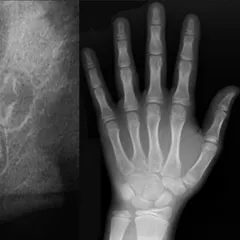
If an undocumented migrant is a minor or an adult can have far-reaching implications. A forensic anthropologist explains why relying solely on dental X-rays to determine age doesn’t work.

Why was one gene mutation that affects hair, teeth, sweat glands and breasts ubiquitous among ice age Arctic people? New research points to the advantage it provided for ancestors of Native Americans.

Prehistoric humans and their predecessors may have had a very different diet but their teeth suffered in similar ways to ours.
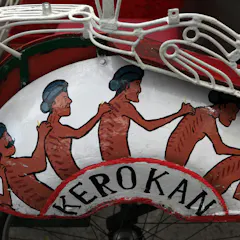
Coin rubbing, a traditional treatment for the common cold, is still widely used by modern Indonesians despite criticism that it is not rational.
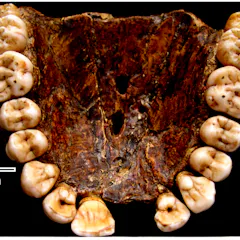
Anthropologists gather clues about how our ancient ancestors lived from their teeth. What will future anthropologists make of us based on the fossilized pearly whites we’ll leave behind?
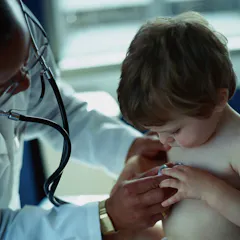
When most of us think about the medical approach that dominates in Western countries, we tend to view it as scientific and therefore as neutral, not influenced by social or cultural processes. Yet research…
Top contributors
-

Associate Professor of Anthropology, Binghamton University, State University of New York
-
Associate Professor, Universitas Indonesia
-
SHARP Professor, Vitalities Lab, Centre for Social Research in Health and Social Policy Centre, and the ARC Centre of Excellence for Automated Decision-Making and Society, UNSW
-
Assistant Professor of History, University at Buffalo
-
Research Professor, National Research Center on Human Evolution (CENIEH), Spain, and in the United States, Professor, University of California, Berkeley
-
Professor Emerita, Classical Studies, The Open University
-
Assistant Professor of Anthropology, University of Memphis
-
Associate Professor of Health Sciences, Cleveland State University
-
Professor of Anthropology, Macalester College
-
Assistant Professor of Biocultural Medical Anthropology, University of Alabama
-
Professor of Anthropology & Director for Undergraduate Research, College of Arts and Letters, San Diego State University
-
Associate Professor of Political Science and Public Policy and Law, Trinity College
-
Professor of Anthropology, The Ohio State University
-
Research Fellow in Biological Anthropology, Monash University
-
Assistant Investigator at Kaiser Permanente Washington Health Research Institute, University of Washington