
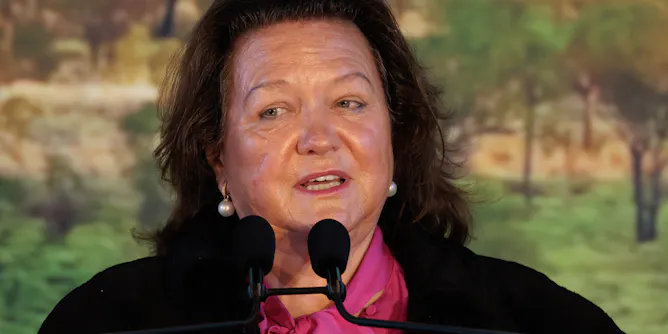
The mega-wealthy buying into Australia’s increasingly concentrated media industry is nothing new – and it is a critical issue for democracy.
Articles on Media ownership
Displaying 1 - 20 of 53 articles
Listen to Andrew Dodd on The Conversation Weekly podcast on the long, transactional relationship between Donald Trump and Rupert Murdoch.
The launch of a new series from The Conversation, on the future of Australian media. Experts will explain the powerful forces buffeting our media and how they will ultimately reshape society.
How can an industry experiencing systemic failure get back on its feet?
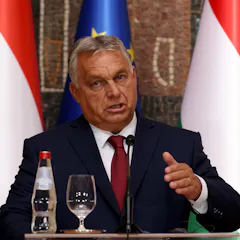
Authoritarian populists tolerate opposition media – as long as they only exist at the margins.
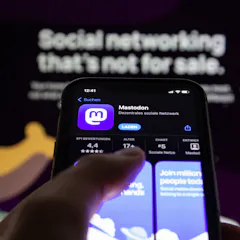
With Twitter users considering a relocation to the decentralized social media network Mastodon, there’s an opportunity for the CBC to lead the way in re-imagining online futures for Canadians.

The relationship between the state and media soured just months into the Kenyatta regime.
The pandemic hit media hard, but a new report shows New Zealand now has more independent news outlets than at any time in the past decade.
Does taking government money mean journalists owe the government something? A media ethics scholar examines the ethical questions about news organizations getting government help during the pandemic.
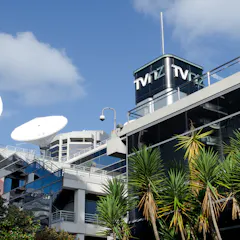
COVID-19 has accelerated the disintegration of New Zealand’s media. A state-led reconstruction strategy is the only answer.

Hundreds of jobs are at risk and the quality of news is under threat as New Zealand’s broadcasting media face closures, sales and restructuring in the biggest overhaul in a decade.
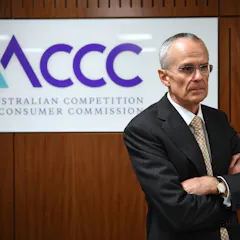
Australian media ownership is already among the most concentrated in the world, but if the competition regulator approves the Nine-Fairfax deal, expect the race for survival to produce more mergers.
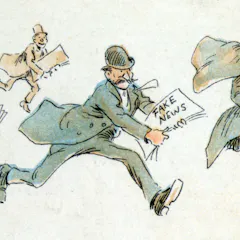
The practice of calling attention to false stories – with actual fakers then levying the charge on their accusers – dates back to battles between progressive reformers and corporate media outlets.
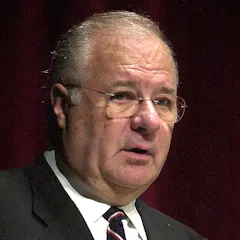
Joe Ricketts abruptly shut down DNAinfo and Gothamist after his employees voted to unionize. Is what he did legal? And how could similar events be prevented in the future?
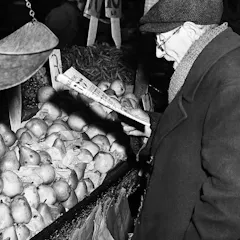
The newspaper’s new owners harken back to a tradition of labor-led media in the early part of the 20th century, which represented a bulwark against corporate power.
The most pertinent issue is how much power the federal government is prepared to allow any single media proprietor to have.
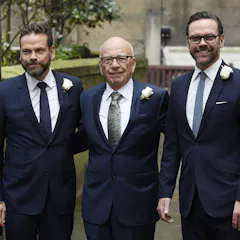
Culture secretary Karen Bradley’s decision will stall the bid, but the saga is far from over.
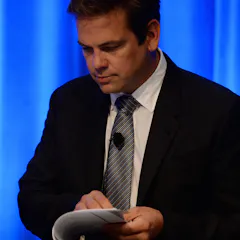
For Ten to be a viable business it needs to make hard decisions to cut costs and reach more viewers.
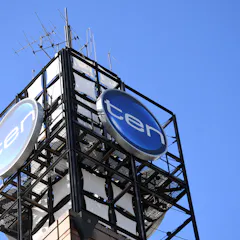
Ten Network has been placed in voluntary administration, after major shareholders refused to guarantee another loan.
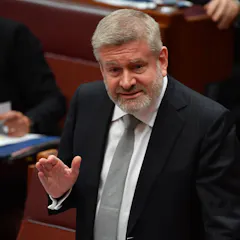
The Australian media policy omelette cannot simply be unscrambled. But forward-thinking diversity rules could help prevent further concentration of media ownership.
Top contributors
-

Professor of Communication, Charles Sturt University, and Honorary Associate, Discipline of Media and Communications, University of Sydney, University of Sydney
-
Associate Professor of Screen Media, Victoria University
-
Associate Professor, Co-Director of the Research Centre for Journalism, Media and Democracy, Auckland University of Technology
-
Professorial Fellow, University of Canberra
-
Professor of Digital Communications and Culture, The University of Sydney, University of Sydney
-
Professor of Political Communication; Director CAJ, The University of Melbourne
-
Professor of Journalism, The University of Melbourne
-
Associate Professor Journalism & Media, Deakin University
-
Honorary associate professor of economy and society, Macquarie University
-
Senior Lecturer in Communication and Media, University of Sydney
-
Assistant Professor of Communication, California State University San Marcos
-
Associate Professor, Social Inquiry Program, University of Technology Sydney
-
Secretary for Science Policy at the Australian Academy of Science, and Senior Deputy Vice-Chancellor, UNSW
-
Professor of Communications, University of Westminster
-
Professor, Media and Journalism, Griffith University