
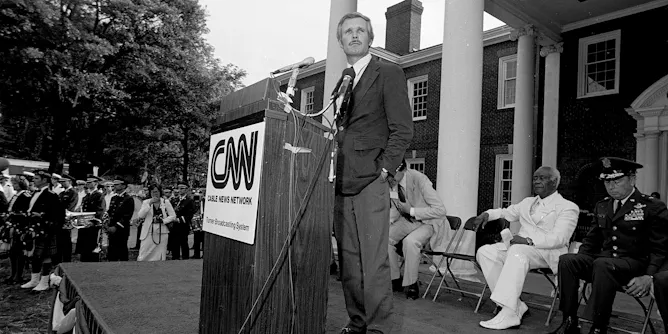
The profusion of video access to anywhere on earth, at any time of day or night, was unimaginable before Turner’s work to make CNN conceivable and then real.
Articles on Media history
Displaying 1 - 20 of 26 articles
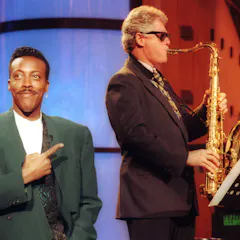
Since the opening monologue became a fixture of American late night TV in the 60s, hosts have used it to comment on politics and presidents.

A scholar who worked with him for decades observes that what mattered to Moyers was not how close you were to power, but how close you got to reality.
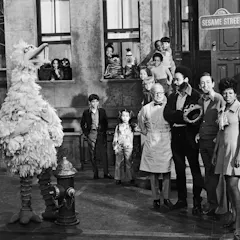
The precursors of today’s public media programs consisted of professors giving lectures about history and finance.
Corporate-controlled, political infotainment makes up the bulk of AM radio programming. But there was a time when these stations were more attuned to the needs of the community.
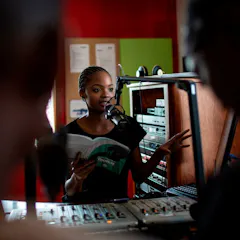
With a dramatic political history, radio is today the number one source of news in Africa.
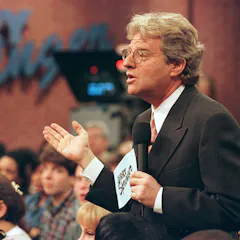
In the competitive media landscape of the early 1990s, seizing audience attention was a priority. What better way to do it than with a cheaply produced show that appealed to viewers’ basest instincts?
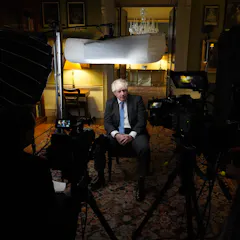
There have been several failed attempts to dilute government influence over the BBC chair.
News reports about accidents can deliver important moral lessons and remind us to value life.
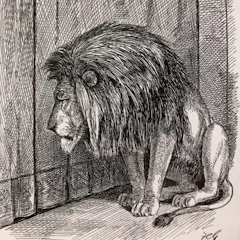
A cartoon commemorating the death of King William IV in 1837 would have been unthinkable; by the time Queen Victoria died in 1901, newspapers had changed.
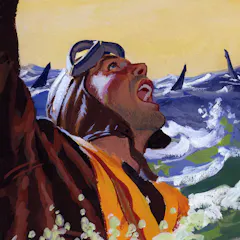
As part of the nation’s massive wartime mobilization effort, millions of Americans, for the first time, traveled abroad – where many had their first encounters with the marine predators.
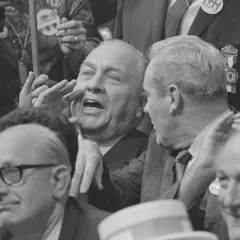
The accusation of bias is like kryptonite for responsible news organizations: the stronger their piety to the ideal of objectivity, the more vulnerable they are to complaints made in bad faith.
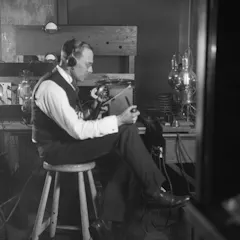
For centuries, people largely read politicians’ words. But with the advent of radio, the ability of politicians to engage and entertain became crucial components of their candidacies.

When the USSR launched the world’s first satellite, Sputnik 1 didn’t do much other than regularly “beep” over the radio. Yet, this simple sound is associated with the beginnings of space exploration.

From the beginning, National Public Radio vowed that it would speak with ‘many voices.’
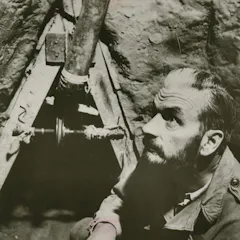
A media historian uses declassified government documents to show how both sides of the Iron Curtain worked to have the projects canned.
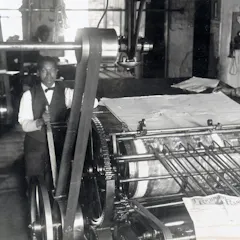
To survive in 19th-century newsrooms, reporters would have to hustle to get by, even if it meant producing fakes, staging events and sharing work with reporters from competing newspapers.

In the abstract, this near-mythic figure represents bravery, hard work and manliness.
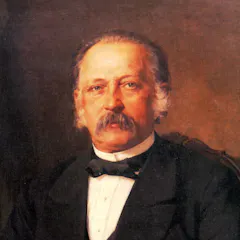
Theodor Fontane was a German newspaper’s England correspondent – who reported ‘from’ London without leaving his Berlin desk.
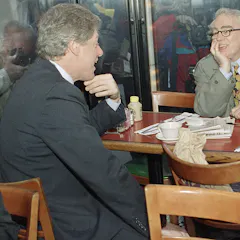
After the death of legendary New York Daily News columnist Jimmy Breslin, some have lamented the end of blue-collar journalism. But in today’s media environment, Breslin’s approach might not be enough.
Top contributors
-

Professor of Media Studies, Penn State
-
Emeritus Professor of Sociology, University of Technology Sydney
-
Professor of Journalism, Indiana University
-
Assistant Professor of German Studies, Dartmouth College
-
Professor in Modern History, University of New England
-
James Walker is a Friend of The Conversation.
Emeritus Professor of Communication, Saint Xavier University
-
Associate Professor in Media, University of Technology Sydney
-
Professor of Political Science, University of Connecticut
-
Associate Professor of Communication, College of Mount Saint Vincent
-
Associate Professor of Communications, Penn State
-
Professor of English Literature, Queen's University, Ontario
-
Senior lecturer in Philosophy and Media Studies, University of Nairobi
-
Associate Professor of History, Indiana University
-
University Distinguished Teaching Professor of American Studies, The University of Texas at Austin
-
Senior Lecturer in Media and Communication, University of Mauritius