
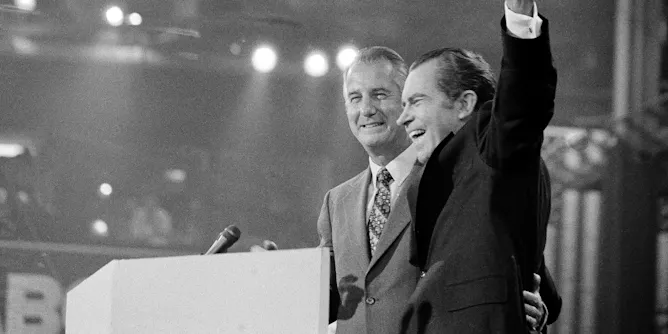
American faith in news is at an all-time low, aided by a president hostile to the press. But presidents have long attacked journalists as biased. What does objectivity really mean?
Articles on CBS
Displaying 1 - 20 of 32 articles
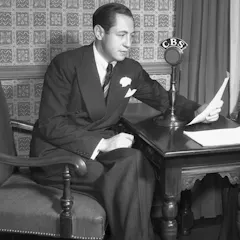
There was once a bipartisan consensus that media power had to be regulated if democracy were to survive.
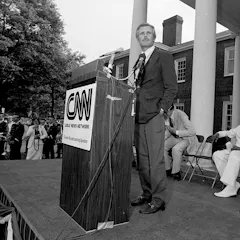
The profusion of video access to anywhere on earth, at any time of day or night, was unimaginable before Turner’s work to make CNN conceivable and then real.
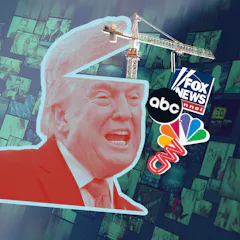
Continuing his war against what he calls “fake news”, the US president is hobbling journalists and media outlets he considers to be hostile to him.
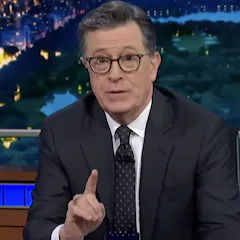
The ‘equal time’ rule has been around for a century and aims to promote broadcasters’ editorial independence and free expression – an idea that is now under threat from the FCC.
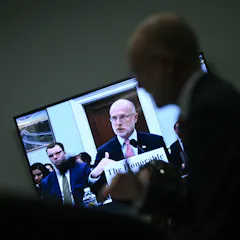
Pressuring broadcasters by leveraging the powers of the Federal Communications Commission occurs no matter which party controls the White House.
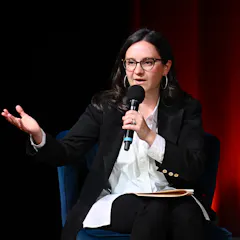
The public’s relationship with news is defined more by its skepticism of the profession than by its impressions of journalists or media outlets.
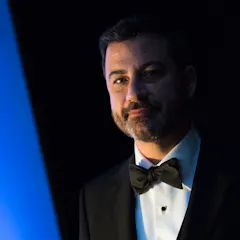
President Nixon tried and failed to cancel ‘The Dick Cavett Show.’ Since then, deregulation and consolidation have made media conglomerates more willing to accommodate those in power.
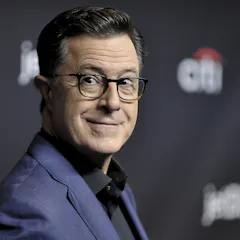
The folktale, ‘The Bird Indifferent to Pain,’ offers insight into why audiences are drawn to the relentless jester – a comedic trope that has endured across cultures.
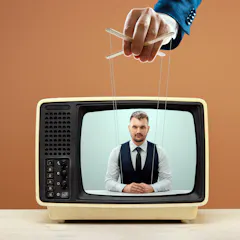
Will costly settlements over news stories the president sued about influence network journalists when deciding whether to pursue investigative stories involving the Trump administration?
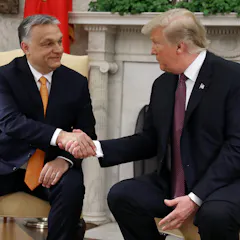
In his second term, President Donald Trump asserted new control over the press − as Hungary’s strongman leader Viktor Orbán had urged him to do.
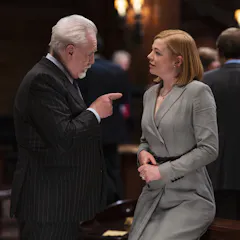
A new book, Unscripted, tells the incredible story of Sumner Redstone, the other model for Succession’s Logan Roy – and the epic succession journey of his daughter, Shari, now chair of ViacomCBS.
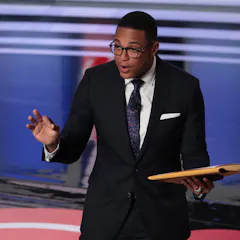
Since the 1980s, cable news networks have focused on hyperpartisan news coverage to attract core audiences in an increasingly fragmented media market.
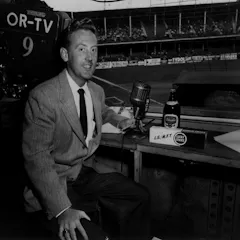
Legendary broadcaster Red Barber took a chance on Scully when he asked him to be an announcer for the Brooklyn Dodgers. Three years later, Scully was the voice of the World Series.
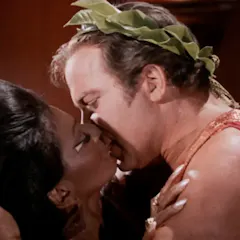
At the time, Gallup polls showed that fewer than 20% of Americans approved of interracial marriage.
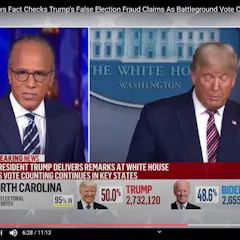
When President Trump claimed in a press conference that the election was being stolen from him, three major TV networks cut off their coverage. A media scholar asks if this is a turning point.
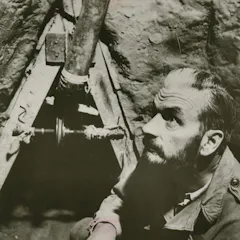
A media historian uses declassified government documents to show how both sides of the Iron Curtain worked to have the projects canned.
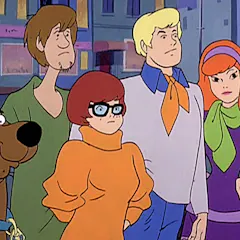
Demands for regulation of media violence reached a fever pitch after RFK’s assassination, and networks scrambled to insert more kid-friendly fare into their lineups. Enter: the Mystery Machine.
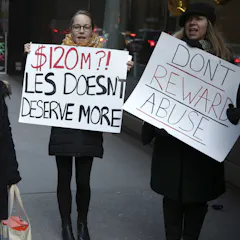
An employment law expert explains why it’s time CEOs had to follow the same rules and harassment policies as every other employee.
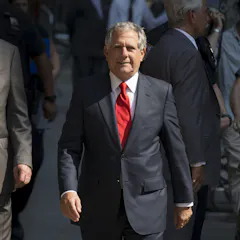
Moonves, accused by 12 women of sexual harassment and assault, managed to walk away with a face-saving exit package that may even include some of his $182 million severance.
Top contributors
-

Professor of Communication and Journalism, University of Maine
-
Professor of Law, University of Oregon
-
Associate Professor of Journalism, Indiana University
-
Associate Professor of Screen Media, Victoria University
-
Professor of Political Science, University of Connecticut
-
Professor of Sociology, Tufts University
-
Professor of History, Vanderbilt University
-
Knight Chair in Sports Journalism and Society, Penn State
-
Professor of Media Studies, Queensland University of Technology
-
Sherman Fairchild Distinguished Professor of History, Dartmouth College
-
Associate Professor of Film and Media Studies, Arizona State University
-
James Walker is a Friend of The Conversation.
Emeritus Professor of Communication, Saint Xavier University
-
Lecturer of History and Media Studies, California State University, East Bay
-
Professor of Journalism, Indiana University
-
Adjunct Professor of Journalism, La Trobe University