

For some mothers, the placenta has deep cultural meaning. Asking about it during pregnancy could prevent avoidable distress.
Articles on Maternity
Displaying 1 - 20 of 36 articles
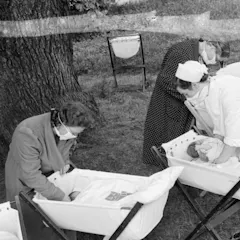
In a religious culture rooted in shame, up to half a million children in the UK and Ireland were put up for adoption without their mothers’ consent.

Scrutiny is essential after harm. But repeated reviews without delivery can damage staff trust and weaken patient safety.

The Nottingham maternity review shows why women need better assessment and support at the very start of labour.

Reviews have named the failures in maternity care. The urgent question is why the same problems keep returning.

As emergency caesarean rates rise, research from Bangladesh and England suggests decisions are shaped by more than clinical need.

When a young person becomes radicalized, people often point the finger at “the family.” But in reality, the burden falls primarily on mothers.

The policy amendment has been applauded for moving towards workplace equality. But it still raises some concerns in relation to people with disabilities.
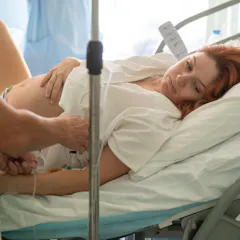
Women report experiencing pressure to birth naturally. This is often overlooked, but can be just as harmful as pressure to have birth interventions.
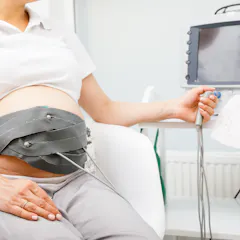
Research gaps in biomechanics and foetal movement may be holding back improvements in maternity safety.

Assisted births are common, but many first-time mothers say they lack information before labour and struggle to make decisions in the moment.

We must move away from the binary diagnosis of post-partum depression and think of difficulties during the transition to parenthood as relational experiences, not a disorder.

Having the support of family members living in a foreign country was one of the reasons Nigerian women gave for choosing to have their babies overseas.

Patients with lower socioeconomic status often have more negative healthcare experiences.

Around one in three women experience traumatic childbirth and one in 25 women develop post-traumatic stress disorder as a result – here’s what changes need to be made.
With a 40% staffing shortfall, midwifery needs better funding. But as new research shows, midwives also need recognition and support for the important work they do in the New Zealand health sector.

In the 1940s, Britain’s nascent welfare state was designed around male financial responsibility for their families – unmarried mothers were intentionally disregarded.

New research shows that breastfeeding rates peaked in 2020, a time of strict COVID restrictions.

The landscape has been shifting when it comes to employer interest in employee fertility journeys.
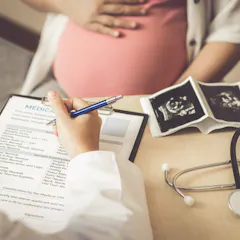
Several familiar maternity terms have been abandoned after a consultation with pregnant women and healthcare professionals.
Top contributors
-

Nottingham Trent University
-
Associate professor, University of California, San Francisco
-
PhD Candidate, Faculty of Law, University of Oxford
-
Professor of Applied Health Research, University of Stirling
-
Senior Lecturer in Labour Law, North-West University
-
Professor in Public Health Data Science, Swansea University
-
Professor of Law, University of York
-
Lead Midwife for Education, University of South Wales
-
Professor of Midwifery, Associate Dean Research and HDR, Midwifery Discipline Leader, Western Sydney University
-
Reader (Associate Professor) in Human Resource Management, Manchester Metropolitan University
-
Principal Lecturer in Midwifery, University of Brighton
-
Professor of Industrial Relations, Auckland University of Technology
-
Professor of Family Medicine and Community Health, UMass Chan Medical School
-
Research Fellow in Management, Auckland University of Technology
-
Honorary Research Associate, University of Hull