
A new analysis shows that the many Americans who have experienced being threatened by a gun or suffering a gunshot wound are significantly less likely to believe most people can be trusted.
Articles on Mass shootings
Displaying 81 - 100 of 170 articles
Until we acknowledge that toxic white masculinity is fuelling mass murders, aggrieved white men will continue to commit them – and we’ll all continue to pay the price.

When resources are drained, people are tired and communities are recovering from trauma, social connection is vital.
Did the COVID-19 pandemic have an impact on the mass shooting in Nova Scotia?
People who take their own lives as a career response have different motives at different stages of their careers. This could help us understand the recent Molson Coors shooting in Milwaukee.
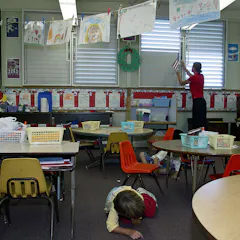
Teachers unions and gun-control advocates who decry the use of fake blood and simulated shootings have cause for concern. But getting students ready does take training and practice.
We do a disservice to survivors of major tragedies when we call them “heroes.” Instead, we should change our policies and attitudes to help them truly survive the disaster.
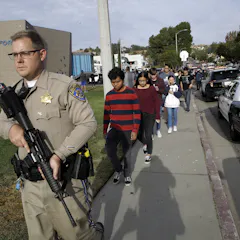
Being ready takes training and practice. But it might not require fake blood and simulated shootings.

Researchers look for signals that might distinguish people who are upset and ranting online from those who intend to do real physical harm.

You’re just as likely to be a victim of a mass shooting as you are to be struck by lightning. So why do nearly 50% of Americans say they’re afraid of being caught in the crossfire?
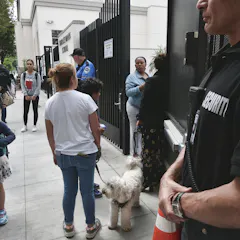
Efforts to ‘harden’ school buildings could distract from the need to focus on human behavior and what’s known about school shooters.
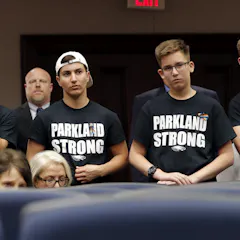
A new study looks at whether deaths by suicide could be lowered with mental health care. To a small degree, yes. But a look at the costs suggests there may be better ways to prevent shooting deaths.
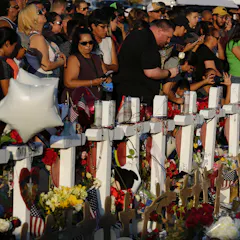
Not all mass shooters are white supremacists, but they are nearly all men.
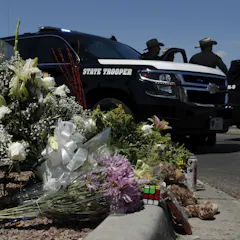
Mentally ill, white supremacist video game-playing men are pushing rates of mass homicide ever higher in the US? The real data is more nuanced than common misperceptions suggest.
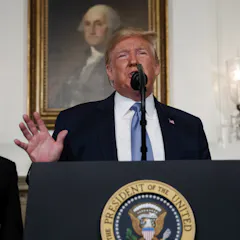
President Trump called for better identification of people with mental illness as a way to stop gun violence and mass shootings. A psychiatrist offers his take on the president’s stance.

On the whole, results from psychology research studies don’t support a direct connection between playing violent video games and aggressive behavior.

The archetype can be traced back to 1920s detective fiction, when gruff, gun-toting, cigarette-smoking mavericks became heroic figures.
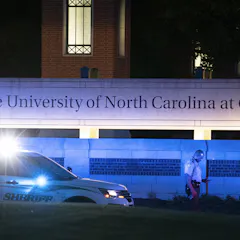
The April 30 shooting at the University of North Carolina at Charlotte isn’t an outlier. Research shows it fits a familiar pattern of campus shootings in terms of time and place.

As the news of the shootings in New Zealand quickly unfolded, a researcher took note of the way the event was covered in news media and how the coverage was being discussed on social media.

School shooters typically show warning signs long before they become killers, but educators are sometimes ill-equipped to act on what they see, two researchers who are analyzing mass shooters say.
Top contributors
-

Professor of Criminal Justice, Metropolitan State University
-
Professor of Criminal Justice, Hamline University
-
Professor of Psychiatry, Wayne State University
-
Associate Professor of Disaster and Emergency Management, York University, Canada
-
Associate Professor of Criminal Justice, Penn State
-
Professor, History, Saint Mary’s University
-
Professor of Psychology, Stetson University
-
Professor of Criminology & Public Policy, University of Brighton
-
Clinical Associate Professor of Surgery, New York University
-
Professor of Occupational Health Psychology, Birmingham City University
-
Associate Professor of Criminal Justice, State University of New York Oswego
-
Professor of the Practice and Faculty Director of the Master's in Applied Intelligence, Georgetown University
-
Professor of Public Policy Studies, Duke University
-
Visiting Professor of Public Health and Community Medicine, Tufts University
-
Lecturer in Psychology, University of Salford