
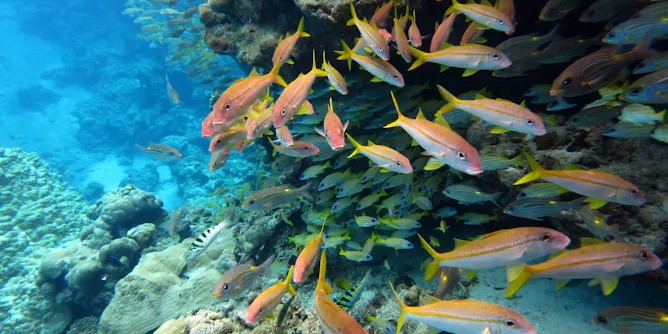
So far, about 10% of the ocean has formal protection as countries work toward the 30x30 goal, but many areas are still protected on paper only.
Articles on Marine protection
Displaying all articles

An exception for commercial ring-net fishing in some protected areas of the Hauraki Gulf means they don’t count towards the global goal of protecting 30% by 2030.
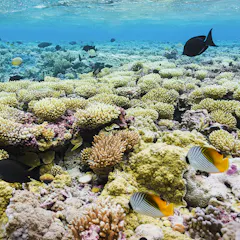
America’s marine protected areas help fish populations thrive. Trump’s plan to open them to industrial fishing may ultimately harm the fishing industry itself.

New Zealand’s track record in domestic marine protection is woeful and its proposal to resume oil and gas licensing offshore has been criticised by Pacific island states.
What have global efforts to protect oceans actually achieved? Our study of nearly 2,600 tropical coral reefs around the world is the first to answer that question.
As oceans warm, Canada’s marine protections system looks woefully inadequate. New monitoring systems and flexible governance can help Canada protect the areas most likely to have the greatest impact.
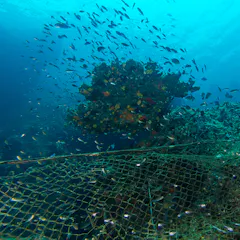
If ASEAN demands its member nations try to stop illegal and unregulated fishing, but without requiring matching financial commitments, we will continue to lose the battle against illegal fishing.
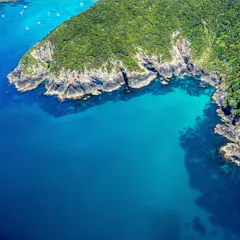
New Zealand’s marine policies are scattered across multiple laws and regulatory institutions. A dedicated ministry would overcome this fragmentation and help protect vital ecosystems and resources.
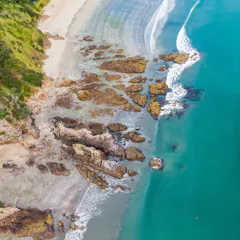
Marine governance in New Zealand is fragmented, with several agencies operating under various statutes. But a more collaborative, ecosystem-based approach to better protect the ocean is emerging.
Global biodiversity summits have so far lacked a clear target, but this could change if COP15 agrees on the 30x30 initiative to protect 30% of land and sea by the end of this decade.
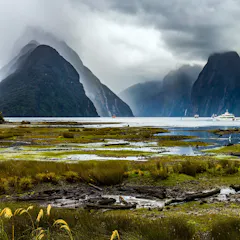
Conservation efforts can result in conflict between different interest groups, but outcomes could improve if we allowed a greater degree of public participation, beyond mere consultation.
Top contributors
-

Professor in Human Geography, University of Auckland, Waipapa Taumata Rau
-
Postdoctoral Researcher in Marine Ecology and Climate-Impact Sciences, Memorial University of Newfoundland
-
Professor of Law and Rutherford Discovery Fellow, University of Canterbury
-
Associate Professor of Law, University of Waikato
-
Senior Lecturer, Humanities and Social Sciences, Te Kunenga ki Pūrehuroa – Massey University
-
National Institute of Water and Atmospheric Research (NIWA)
-
Adjunct Senior Research Fellow, James Cook University
-
Professor & ARC Laureate Fellow, Thriving Oceans Research Hub, School of Geosciences, University of Sydney
-
Professor in Law, University of Canterbury
-
Faculty Research Associate in Marine Biology, Arizona State University
-
Professor of Marine Sciences, University of Auckland, Waipapa Taumata Rau
-
Professor of Marine Science, University of Auckland, Waipapa Taumata Rau
-
Director of the Adrienne Arsht Community-Based Resilience Solutions Initiative & Staff Scientist at the Smithsonian Tropical Research Institute, Smithsonian Institution
-
Adjunct Assistant Professor, Universitas Bakrie
-
Associate Professor of Integrative Biology, Oregon State University