
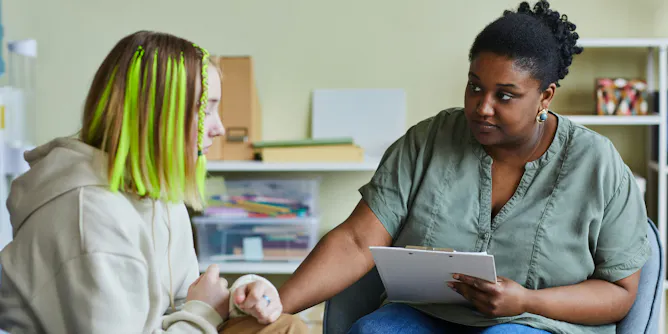
Women affected by poverty, racism, trauma, caregiving stress or unstable housing often lack primary health care. They wind up in walk-in clinics or emergency with late-stage serious illnesses.
Articles on Marginalized communities
Displaying all articles
Limiting exposure to air pollution will have lasting impacts on Colorado communities with the highest exposure.
The mental health crisis occurring in tandem with COVID-19 has stressed resources and stretched service waitlists into years. There is an urgent need for prevention strategies, not just treatment.
The HIV In My Day project preserves the early history of the HIV/AIDS pandemic through the personal stories of long-term survivors and caregivers.
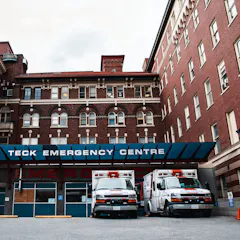
Infectious dysentery, usually found in developing countries with poor living conditions, is turning up in Vancouver’s most marginalized neighbourhood.
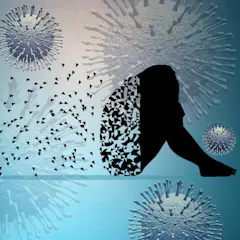
The pandemic’s mental health toll is not distributed equally. Its impact is disproportionately felt by racialized groups, Indigenous Peoples, people with disabilities and those experiencing poverty.

Current restrictions remind us of the value of access to public space and one another. Yet even before COVID-19 some people were excluded and targeted, so a return to the status quo isn’t good enough.

If lab-grown meat is truly going to be the next frontier in ethical eating, it’s important to consider who’s most at risk of being left behind in the race to develop it.
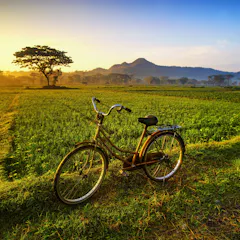
Rapid motorisation has made the Indonesian city of Solo prioritise policies to support motorised vehicles, paying little attention to cycling and marginalising poor women.
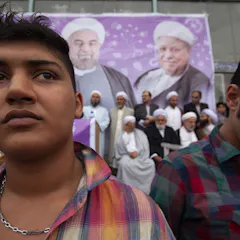
Despite what you might see on the news, many of Iran’s young people are far from rebellious. Instead, they have dealt with dwindling job prospects by conforming to a strict code of morality.
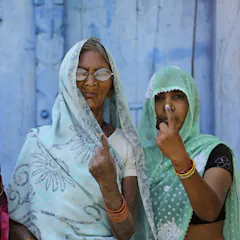
Many women, Muslims and members of oppressed castes in India lack government-issued ID. Yet these documents may soon be required to prove their citizenship.
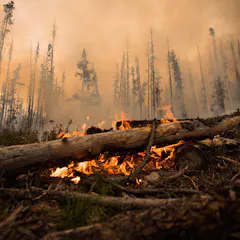
Laws and policies that marginalize Indigenous people and communities make these same people vulnerable to disaster.
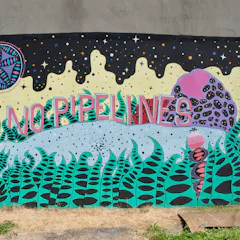
Street art promotes public dialogue on social justice issues and can lead to opportunities for learning outside of formal schooling.
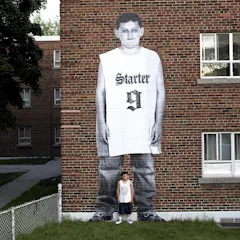
Research shows marginalized communities are marked by a profound sense of community, supportive social networks – and resilience.
Top contributors
-

Associate Professor, Department of Sociology, Brock University
-
Medical Anthropologist; Host of AnthroDish Podcast, McMaster University
-
Adjunct Professor, Department of Applied Psychology and Human Development, University of Toronto
-
Assistant Professor, School of Population and Public Health, University of British Columbia
-
Lecturer in Urban Planning and Design, Harvard University
-
Assistant Professor, Dalla Lana School of Public Health & Joint Centre for Bioethics, University of Toronto
-
Associate Professor of History, University of Dayton
-
Professor, School of Nursing, University of British Columbia, University of British Columbia
-
Professor of Urban Geography, University of Sydney
-
Professor, School of Health Sciences, University of Northern British Columbia; University of Victoria
-
Emergency Physician, University of British Columbia
-
Sessional Lecturer, Faculty of Education, Ontario Tech University
-
Associate Professor, Peter A. Allard School of Law, University of British Columbia
-
Postdoctoral Fellow, School of Nursing, University of British Columbia
-
Farzaneh Family Assistant Professor of Iranian Studies, University of Oklahoma