
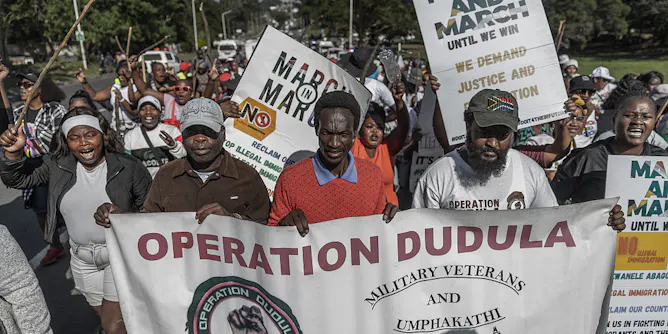
Organisations behind the wave of xenophobia use the language of participation, community and people’s power to justify marginalisation.
Articles on marginalisation
Displaying 1 - 20 of 21 articles

Kenya’s devolution has led to tangible improvements in everyday life in places that had long been left behind.
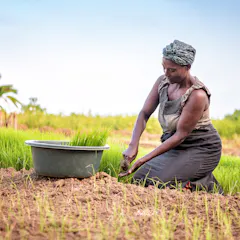
Despite being crucial to Sierra Leone’s agricultural sector, women lack access to land. The bora custom is making things worse.
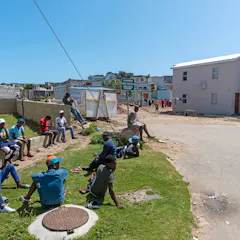
Fewer young South Africans are doing as well as their counterparts from 30 years ago. They are hardest hit by unemployment.

Media coverage is making young people feel they are all seen as ‘bad’ by a fearful community. Marginalising young people, while ignoring the complexities of their lives, won’t solve these issues.

More than being the social problem they are often made out to be, gangs are an indication of larger problems present in their societies.
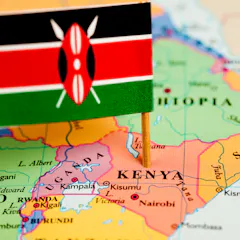
Calls to secede have been heard from time to time in Kenya – most often around elections.
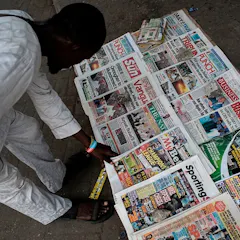
The news media provide a very particular case study of gender discrimination.

Skewed reportage on the land debate contributes to entrenching the injustices of colonialism and apartheid.

When communities face security challenges and lack legal protection, they find innovative ways to respond.
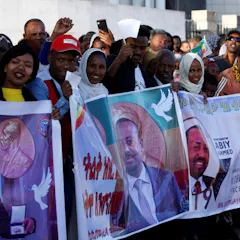
Governments coming to power riding a wave of youth protests can employ authoritarian tactics to silence dissent from the same movements.
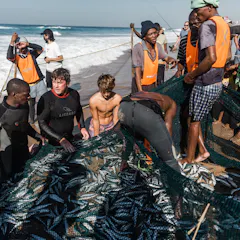
South Africa’s policies need to do more to protect vulnerable and marginalised small-scale fishers and fishing communities.
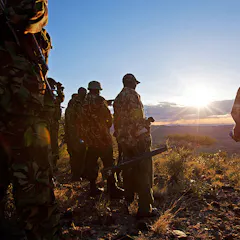
Conflict is prevalent in the region characterised by harsh climate, vast wilderness and low levels of development.

Millions of Somalis are in urgent need of aid. But not enough is being done to reach marginalised groups.

The increase in terror attacks has complicated the Kenyan government’s relationship with the country’s Muslim community.

Widows in Nigeria are still exposed to harmful practices.
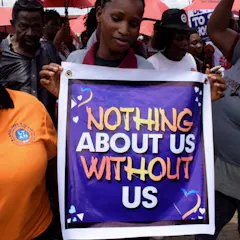
The study reveals a consistently biased and negative depiction of sex workers by news media in Nigeria.
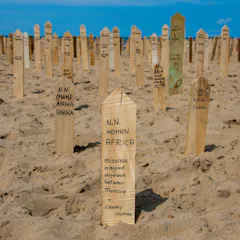
The world’s indifference to Black African refugees is its own form of trauma.
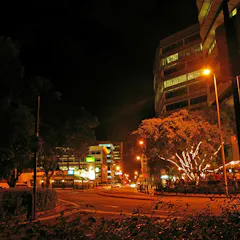
‘Smart cities’, featuring networks of automatic lights, video cameras and environmental sensors, have been hailed as an enhancement to urban life. But they are also tools of surveillance and control.

Politicians’ knee jerk dismissal of an idea that could help rehabilitate ex-offenders is
unhelpful.
Top contributors
-

Research associate, London School of Economics and Political Science
-
Research fellow, Learning Planet Institute (LPI)
-
Research fellow, North-West University
-
Senior Research Fellow (ARC DECRA), Emerging Technologies Research Lab, Faculty of Information Technology, Monash University
-
Research Professor, Political Science, Chr. Michelsen Institute
-
Associate Professor, Indigenous Studies, University of Saskatchewan
-
Professor of Urban Governance, University of the Witwatersrand
-
Lecturer in Mass Communication, Ahmadu Bello University
-
Honorary research affiliate, Centre of Criminology, University of Cape Town
-
Lecturer in criminology, Edinburgh Napier University
-
Lecturer/Researcher, Department of Mass Communication,, National Open University of Nigeria
-
Adjunct Associate Professor, Departnent of Social Sciences, Pwani University
-
Professor of Communications and Cultural Studies, University of Southern Queensland
-
Senior Lecturer, School of Engineering and Built Environment, Griffith University
-
Lecturer, University of Southern Denmark