
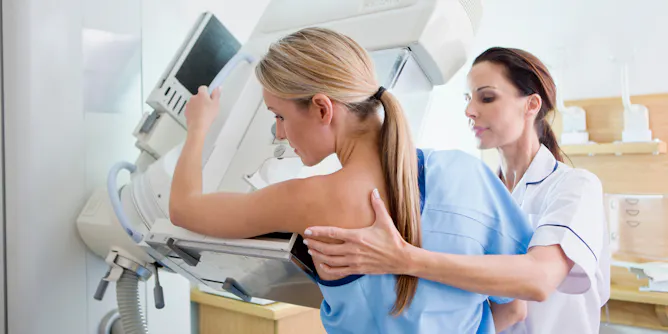
Since 1990, there’s been a nearly 80% increase in the number of under-50s being diagnosed with cancer globally.
Articles on Lung cancer
Displaying 21 - 40 of 85 articles
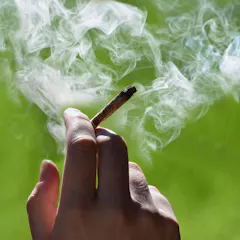
Clinical trials have demonstrated the health benefits of cannabis for certain conditions, but many aren’t testing smoked or vaped forms. Research on cannabis smoke is raising concerns.

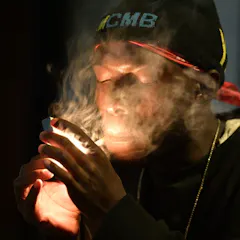
As hip-hop turns 50, an unfortunate reality is that so many of its pioneering artists never live to see much more than 50 years themselves, a professor of hip-hop writes.

Older smokers and former smokers will be invited to have their lungs scanned under a new screening programme the NHS is rolling out.
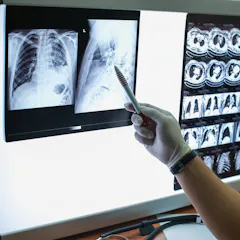
A new screening programme will increase five-year survival for people with lung cancer. But here’s what that really means.
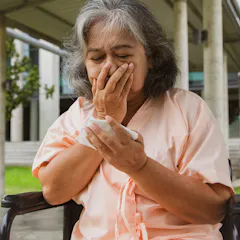
The success of anti-smoking campaigns has come with growing stigma around lung cancer. Over one quarter of Australians admit they have less sympathy for lung cancer sufferers.
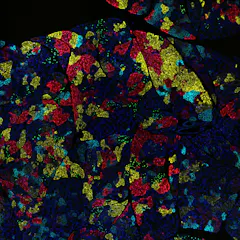
There is no one-size-fits-all approach to treating cancer. Understanding how cancer cells evolve could help researchers develop more effective drugs.

It’s often said if cigarettes were invented tomorrow, and we knew now what we didn’t know then, they would be banned outright. But vaping is showing us we’re repeating the same mistakes.
While lung cancer rates have decreased by 43% in men, they have risen by 79% in women. New screening guidelines and recognizing early symptoms can help address the changing face of lung cancer.

Health guidelines can feel contradictory and hard to interpret. But a new star rating system should help consumers and policymakers better parse the evidence behind health risks and outcomes.
The proposed standard would lower the nicotine content in cigarettes and cigars by 95% – a public health proposal that could prevent millions from becoming smokers in the first place.

Despite the popular belief that vitamin E and beta carotene supplements help prevent heart disease and cancer, the latest research suggests they do not – but the supplements do have potential risks.
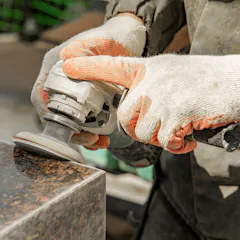
Artificial stone, which is used mainly for kitchen benchtops, is a potent source of silica dust, which can scar the lung and cause lung cancer. Banning artificial stone could save lives.

As the comment period begins for the FDA’s proposed ban, public health experts explain the stakes.

Every cancer is different. Grouping cancer mutations by their structure and function could help make treatments more personalized.
South Africa’s approach to smoking doesn’t adequately support current smokers who want to quit.

Cancer mortality has dropped in the US, due largely to lower smoking rates, as well as early detection and better treatments. These advances often do not extend to people in developing nations.

The study found that ex-smokers had four times the amount of “normal” protective cells than smokers.

Pollutants like nitrogen dioxide are a silent killer, but everyone isn’t equally at risk.

What lessons can Australia learn from tackling asbestos to manage this latest preventable occupational hazard?
Top contributors
-

Adjunct Professsor, School of Psychology, Faculty of Health and Medical Sciences, Adelaide University
-
Senior Research Fellow, School of Population Health, Curtin University
-
Emeritus Professor in Public Health, University of Sydney
-
Chancellor's Professor of Medicine, Liberal Arts, and Philanthropy, Indiana University
-
Professor of Medicine, University of California, San Francisco
-
Professor of Epidemiology, Curtin University
-
Adjunct Senior Lecturer, Centre for Primary Health Care and Equity, University of New South Wales, UNSW
-
Professor at University of Melbourne and Research Fellow, Cancer Council Victoria
-
Adjunct Professor, School of Psychology, Curtin University and College of Health and Medicine, Australian National University
-
Professor of Sociology & Director, Sydney Centre for Healthy Societies, University of Sydney
-
Professor and Dean, School of Public Health, Georgia State University
-
Professor in Molecular and Clinical Cancer Medicine, University of Liverpool
-
Professor and NHMRC Australian Fellow, Medicine, University of Sydney
-
Professor, Department of Hematology and Medical Oncology, Emory University
-
Professor and Director of the National Drug and Alcohol Research Centre, UNSW