
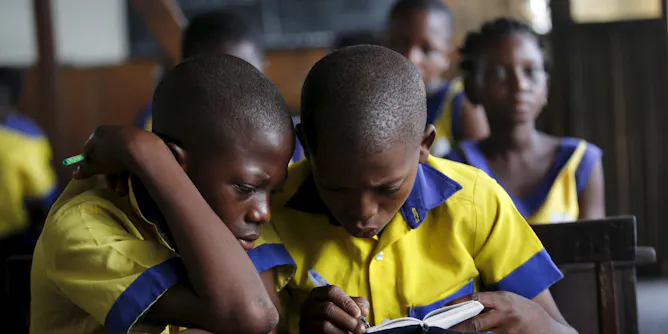
It’s unusual for children in Nigeria’s rural areas to have any access to private schooling, even if it’s of the low-cost variety. They must rely instead on poorly resourced government schools.
Articles on Low-income students
Displaying 21 - 40 of 40 articles
America’s higher education has been split into two unequal worlds. Schools serving the bulk of America’s underprivileged students lack resources. Making college free will not solve the problem.
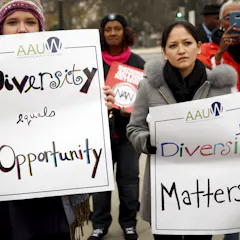
Three scholars reflect on the Supreme Court decision in the Fisher case and why institutions need to consider race.

The threshold for paying back student loans will vary depending on which party wins the election.
Underfunding has created incentives for colleges and universities to enroll nonresidents. But those that take a high number of poor students are on the verge of closure.
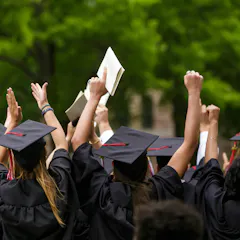
Bernie Sanders and Hillary Clinton have called for making colleges and universities debt-free or tuition-free. Disadvantaged students need more than free college to achieve success.
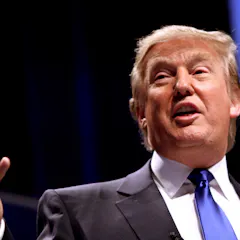
What will a Trump presidency mean for America’s 6,000 colleges and universities, as well as its over 20 million postsecondary students?
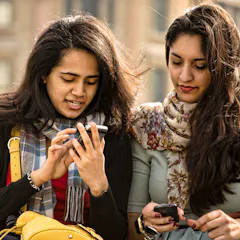
It’s that time of the year when students get ready to enroll in college. But many don’t, even after being accepted. What can be done?
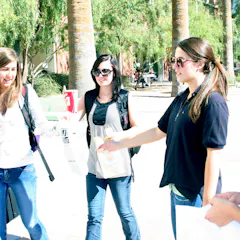
More states are funding colleges based on their performance. What are the implications?
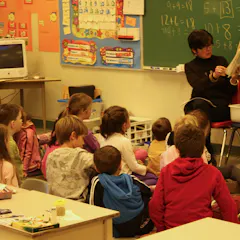
The ESSA, or the Every Child Succeeds Act, was considered to be a welcome replacement of the No Child Left Behind law. However, scholars point to some disturbing provisions in the new law.
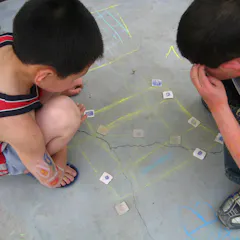
America’s low-income but high-achieving kids fail to find the necessary resources, and consequently fall behind. This has huge implications for innovation as well as the GDP.
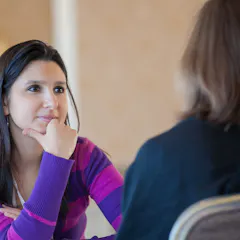
January is National Mentoring Month. A retired professor at UC San Diego has paired emeriti professors with first-generation students to great effect.

Students in the same grade in the same school receive a very different education based on the socioeconomic status of their parents.
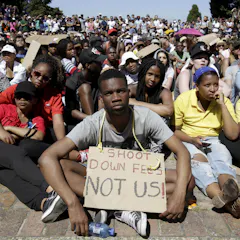
In a good system, university education is free for students while they are studying. They then pay part of the cost once they have graduated.
Policies announced in George Osborne’s budget could harm students’ access to university and cost the state more.

Only 3% of able students from poorer backgrounds are likely to end up at an elite university, according to new research on the impact of education on social mobility. This is compared to 10% of students…
Results from the latest Program for International Student Assessment (PISA) show that the gap between Indigenous and non-Indigenous students has remained the same for the last decade. PISA 2012: How Australia…
Immigrant students and those from poor backgrounds living in developed countries are being failed by the school system and face a high risk of marginalisation, according to a UNESCO report. Data from the…
According to the Federal Government, Australian public universities need to be more inclusive, particularly when it comes to enrolling poorer students. They’ve set a target to have 20% of undergraduate…

The current debate about government funding to private schools is misdirected. The issue is (or should be) not at what level should private schools be funded, but whether they are entitled to any funding…
Top contributors
-

Adjunct associate, Brown University
-
Retired Provost and Vice President of Academic Affairs, University of San Francisco
-
Professor of Education, Penn State
-
Professor of Education and Public Policy, Durham University
-
Assistant Professor of Educational Leadership, University of Florida
-
Senior Research Associate, Michigan State University
-
Associate Professor, Rutgers University
-
Professor of Higher, Adult, and Lifelong Education, Michigan State University
-
Professor of Public Economics, London School of Economics and Political Science
-
Professor of Higher Education Policy, Monash University
-
Assistant Professor, Education Studies, College of Education, University of Oregon
-
Senior Research Associate, University of Johannesburg
-
Professor of Economics, William & Mary
-
Assistant Professor of Education, Penn State
-
Professor of Critical Race Studies, University of Birmingham