

Having stable access to nutritious food sets children up for better mental and physical health into adulthood.
Articles on Low-income kids
Displaying all articles

The closure of a factory in Michigan is the incident that put new parents across the US on edge, but the real causes for the shortage of baby formula are many years in the making.
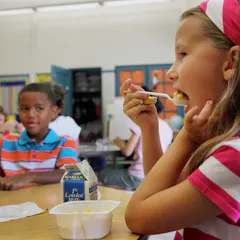
Experts say making meals available to all students reduces the stigma associated with a free lunch.
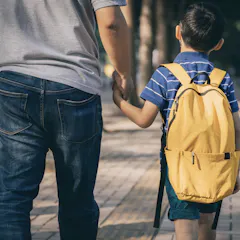
Public investments in benefit programs could save tens of thousands of children from being victims of child abuse and have important later-life effects on child welfare and overall health.

Extracurricular activities help children from low-income suburbs close the gap between them and their better-off peers. But subsidies for these activities are patchy and often limited to sport.

Touring a college in person may be out of the question for a while due to COVID-19. Can virtual reality tours fill the void?

Democratic plans to boost school funding are rooted in research that shows more funding really does boost achievement for low-income students.
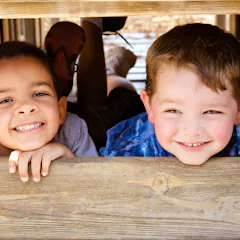
Inattention is one of the most important early behavioural risk factors for a range of adverse life outcomes, including lower earnings.

Schools throughout America’s low-income communities have been deteriorating for years. Now’s the time to do something about it, an education scholar argues.

About 16 percent of all teachers change schools or leave teaching. Often, these changes occur in the middle of the school year, which causes significant setbacks in learning, researchers say.

Students with unpaid meal debts have been experiencing some shaming policies at school. New rules are aimed at protecting these children, but the real solution may lie in free meals for all.
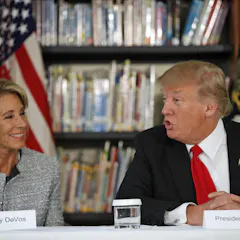
The Trump administration’s new education budget cuts money from traditional schools and funnels it toward school choice. Is it a nail in the coffin for public education?
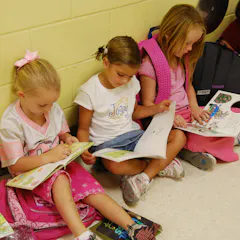
Children who aren’t ready for school tend to lag behind their peers in later grades. Parents and teachers can help.
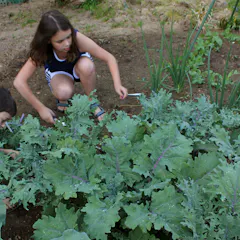
School garden projects are becoming hugely popular. Over 25 percent of public elementary schools include garden-based learning. Do these gardens improve the education and health of young people?

Relationship education programs are meant to strengthen low-income couples, with the idea children would benefit. But focusing on communication skills overlooks what really matters to these Americans.
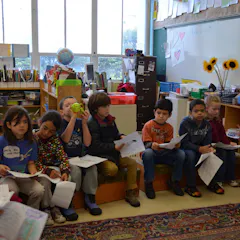
Charters schools are here to stay. More than three million students are enrolled in 6,700 charter schools across 42 states.
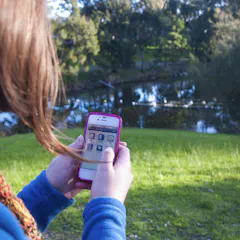
A third of families living below poverty level access the Internet only through their phones. And young people from these families get access to few learning opportunities.
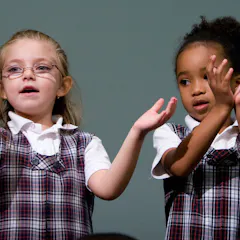
Teachers often view vocabulary building as the most important aspect of education. In reality, there are lots of other early learning experiences that children need to develop.

Want to stop kids from sliding academically over the summer? Why not trust them to make their own reading choices?
Top contributors
-

Professor of Law, University of South Carolina
-
Internal Medicine and Pediatrics Resident, University of Rochester
-
Associate Professor of Psychology, University of Georgia
-
Ph.D. Student in Educational Psychology, The University of Texas at Austin
-
Professor of Social Psychology, University of California, Los Angeles
-
Associate Professor of Human Development and Family Studies, Michigan State University
-
Professor of Education Policy, Michigan State University
-
Associate Professor, Psychosocial Difficulties, University of Oslo
-
Professor of Communication Studies, Provost's Fellow for Sustainability, Rowan University
-
University of Rochester
-
Assistant Professor of Pediatrics, The University of Texas Medical Branch
-
Assistant Professor, Education Studies, College of Education, University of Oregon
-
Assistant Professor of Educational Leadership, University of Florida
-
Professor of Psychology, University of California, Los Angeles
-
Assistant Professor, University of Louisville