
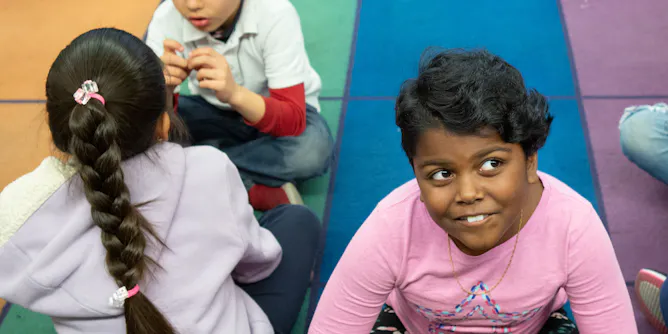
A key way to support mental health and well-being is to support strong reading instruction especially early in children’s education.
Articles on Low-income students
Displaying 1 - 20 of 40 articles

A project to upgrade a high school playing field led to a book on how to inspire more young people to pursue careers as urban planners.
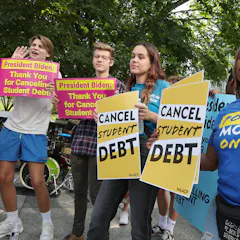
A scholar who studies the morality of debt argues why canceling some student debt is fair.
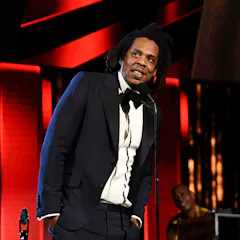
The world of rap music has no shortage of artists who turned their backs on formal education only to become some of education’s biggest benefactors.

Net price calculators – online tools meant to estimate what students will actually pay for college – can produce varying results for students in similar economic situations, researchers find.
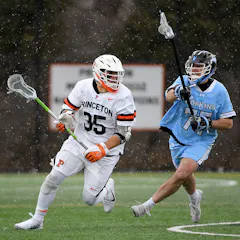
Students who come from families that are more well-off financially have an advantage in their quest to become a college athlete, researchers have found.
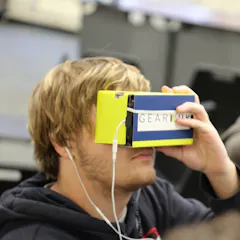
Touring a college in person may be out of the question for a while due to COVID-19. Can virtual reality tours fill the void?
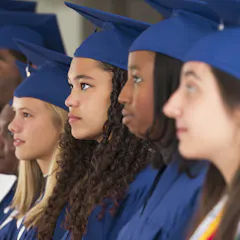
New research shows that low-income students who qualify for the federal Pell Grant tend to go to non-selective colleges – and why that hurts their chances of graduation.

States are increasingly adopting policies in which colleges get a small portion of their funding based on how many students graduate. A scholar explains why the policy may not achieve its aims.

Democratic plans to boost school funding are rooted in research that shows more funding really does boost achievement for low-income students.

About 16 percent of all teachers change schools or leave teaching. Often, these changes occur in the middle of the school year, which causes significant setbacks in learning, researchers say.
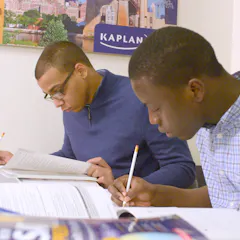
Although proponents of making the SAT optional hoped it would expand college access for low-income and minority students, research shows that hasn’t happened.

Students across the country have been defrauded by for-profit schools. Fine print in their enrollment contracts has stopped them from bringing their cases to court, but new rules could help.

Students with unpaid meal debts have been experiencing some shaming policies at school. New rules are aimed at protecting these children, but the real solution may lie in free meals for all.
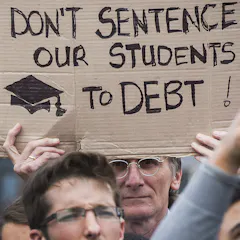
The ministerial task team’s report presents a jaundiced view of an important organisation that’s opened the doors of higher education to many who would otherwise have been closed out.
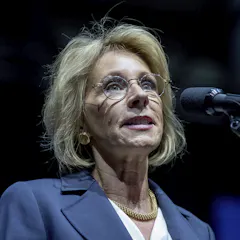
Confirmed in a historic tie-breaking vote by Vice President Pence, Betsy DeVos will be the next secretary of education. Here’s what you need to know about her past legislative actions and proposals.

Separating girls and boys takes away opportunities to learn from one another. It also encourages stereotyping and sexism.
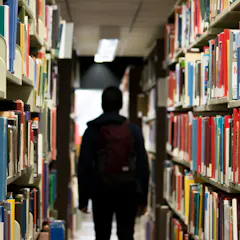
Working-class students are put off by a perceived future of low pay and high debt.
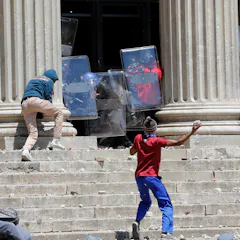
Demands being made by protesting students in South Africa purport to support the poor. But the most marginalised young people in the country will not benefit from free higher education.
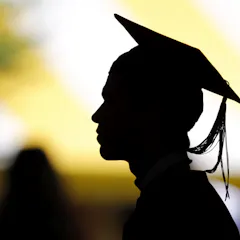
Pell Grants, the federal aid program for low-income students, are down to covering only 30 percent of tuition, from 80 percent in the 1970s.
Top contributors
-

Adjunct associate, Brown University
-
Retired Provost and Vice President of Academic Affairs, University of San Francisco
-
Professor of Education, Penn State
-
Professor of Education and Public Policy, Durham University
-
Assistant Professor of Educational Leadership, University of Florida
-
Senior Research Associate, Michigan State University
-
Associate Professor, Rutgers University
-
Professor of Higher, Adult, and Lifelong Education, Michigan State University
-
Professor of Public Economics, London School of Economics and Political Science
-
Professor of Higher Education Policy, Monash University
-
Assistant Professor, Education Studies, College of Education, University of Oregon
-
Senior Research Associate, University of Johannesburg
-
Professor of Economics, William & Mary
-
Assistant Professor of Education, Penn State
-
Professor of Critical Race Studies, University of Birmingham