
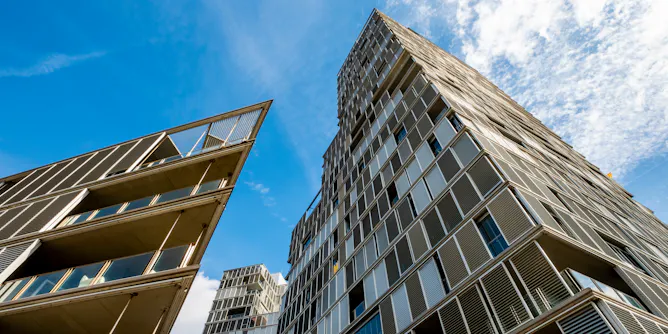
The housing shortage is a major concern for many EU citizens. A foresight study by more than 30 experts examines four ways affordable, low-carbon homes could emerge by 2040.
Articles on Low-carbon energy
Displaying all articles

Computer data centres produce vast amounts of heat that often gets wasted - now that’s being harnessed to warm swimming pools and improve overall energy efficiency.

Air conditioning changed both building design and people’s active management of home temperatures. A return to houses designed for our climate can keep us comfortable and cut energy use and emissions.

As fusion becomes more technically viable, it’s time to assess whether it’s worth the money because breakthroughs in the lab don’t guarantee success in the marketplace.
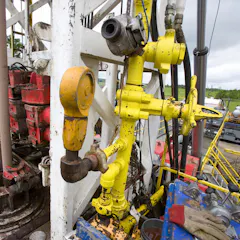
Carbon capture and storage gets a bad rap from its associations with ‘clean coal’. But the technology could prove vital in cutting emissions from other industries like steel, cement and chemicals.

From an economic point of view, low-carbon plans in rapidly urbanising areas can have massive benefits for East African cities.
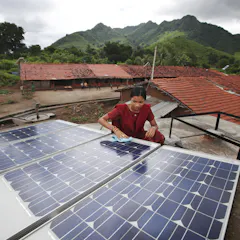
Developing countries need technical and financial aid to begin the transition to low-carbon energy now, not just pledges to invest in energy R&D with payoffs decades from now.
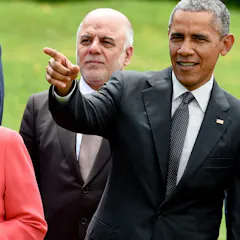
G7 leaders have pledged to help end the world’s fossil fuel use by the end of the century. It’s a laudable aim, but decarbonisation can and should be done by the middle, not the end, of this century.
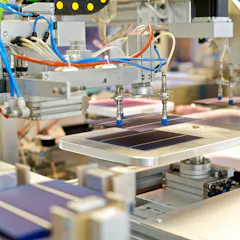
Countries will take emissions reduction pledges to international climate talks in Paris at the end of this year. Those pledges should also include funds for low-carbon R&D.
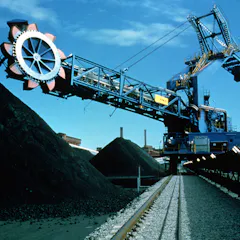
The Climate Change Authority has recommended Australia cut greenhouse gas emissions 30% below 2000 levels by 2025. While sensible, the government is unlikely to accept, and the target misses bigger opportunities to cut emissions.
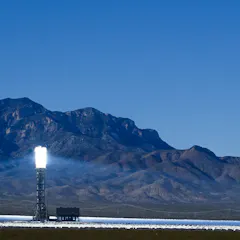
The world needs new energy technologies to meet global demand and slow emissions. Government plays an outside role in energy so what policies work best for innovation?
Top contributors
-

Professor, Crawford School of Public Policy and Director, Centre for Climate and Energy Policy, Australian National University
-
Professor of Environmental Policy and Associate Pro-Vice-Chancellor (Interdisciplinary Research), University of Leeds
-
ARC Australian Laureate Professor, University of Tasmania
-
Director of Research and Innovation, School of International Studies, Macquarie University
-
Lecturer in International Studies, University of Washington
-
Founding Head, School of Public Policy, and Vipula and Mahesh Chaturevdi Professor of Policy Studies, The Indian Institute of Technology Delhi
-
Guest Lecturer, Climate Change Economics, University of Oxford & Director, Climate and Sustainability Programme, ODI Global
-
Honorary Professor, School of Regulation and Global Governance, Australian National University
-
PhD candidate and research Fellow in the Economics of Climate Smart Cities research programme, University of Leeds
-
Lecturer, Monash University
-
Associate Professor in Property, Construction and Project Management, RMIT University
-
Research Fellow in Urban Studies, University of Salford
-
Research fellow, Adelaide University
-
Professor of Intelligent Engineering Systems, Nottingham Trent University
-
Professor of Energy Policy, Member of Fuel Poverty Evidence and Trustee of the Fuel Poverty Research Network, Sheffield Hallam University