
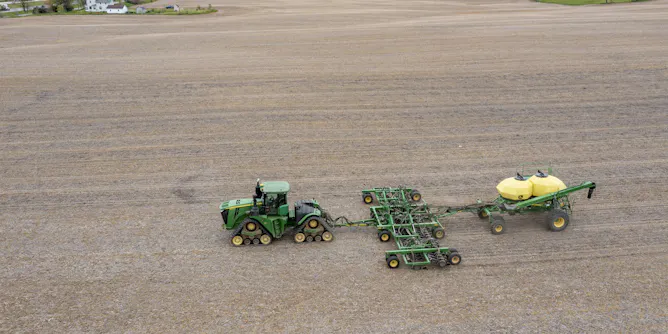
Decades of farmers using more fertilizer than they needed have quietly built up large reserves of nutrients in the soil.
Articles on Livestock farming
Displaying 1 - 20 of 22 articles
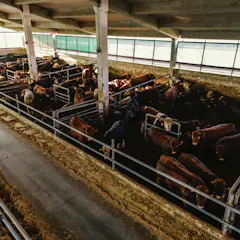
‘Buying local’ often goes hand in hand with ethical choices. But when it comes to meat, we need to reconsider this equation.

Smallholder farmers in Nigeria have told researchers they’d benefit from livestock index insurance which pays farmers when weather stations indicate that a severe drought or storm has hit the area.

Australia’s live export trade is controversial. Have you ever wondered how it perpetuates? New research shows it comes down to corporate power dynamics. Similar forces operate in Brazil and the US.
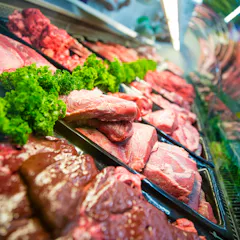
Let’s just call it something different.
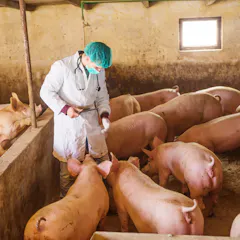
While mRNA vaccines are designed to last longer in the body than mRNA molecules typically would, they are also tested to ensure they are eliminated from livestock long before milking or slaughter.
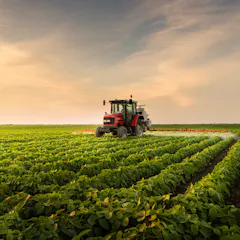
Why ‘local’ and ‘natural’ food isn’t always good for the environment, and ‘industrial’ or ‘intensive’ farming isn’t always bad.
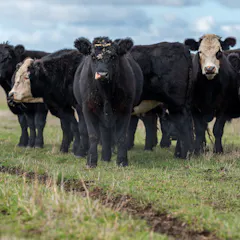
Most food in Australia remains free of PFAS, but a new study has found it can build up in cattle on PFAS-affected farms. But there are ways to manage the land and livestock to reduce the risks.
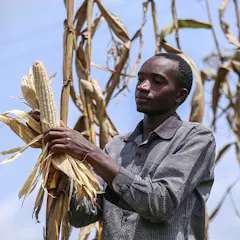
Stricter measures had major impacts on farmers’ livelihoods and food security.
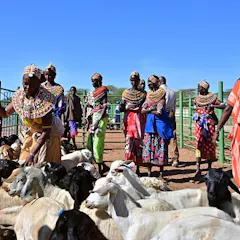
A functioning market eases pressure on rangelands, lowers animal mortality, and stabilises prices.
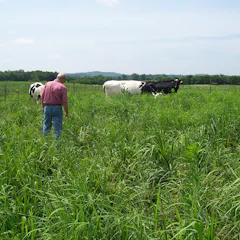
Growing native grasses as cattle forage is an example of working lands conservation – balancing human use of the land with conservation goals.
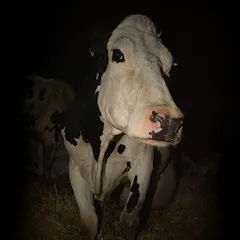
Andrea Arnold’s new film chronicles the daily strife of Luma – a dairy cow and mother.
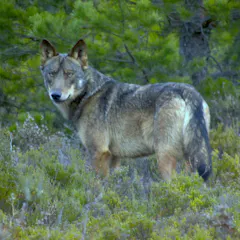
A farming community in north-west Spain may hold the answer to coexistence with wild carnivores.
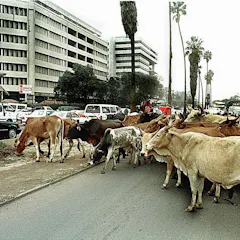
Un discours simpliste tenu par des activistes, des célébrités, des philanthropes, des décideurs politiques voudrait que « tous les animaux d'élevage soient mauvais ». Ce qui est loin de la réalité.
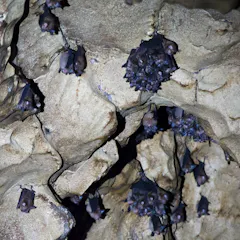
How can nations prevent more pandemics like COVID-19? One priority is reducing the risk of diseases’ jumping from animals to humans. And that means understanding how human actions fuel that risk.
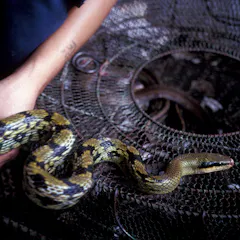
We analysed the legal systems regulating the wildlife trade in China. Here’s what we found.
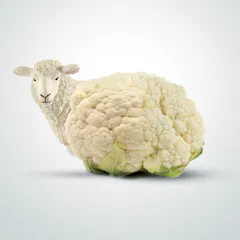
But the national goal of cutting meat intake by 30% over the next ten years is likely to be missed.

At the centre of the persisting violence in the north-central region of Nigeria is bad governance.

Pandemic viruses arise from raising, harvesting and eating animals. Policy strategy for averting the next pandemic should include supporting those already seeking to make plant-based dietary changes.
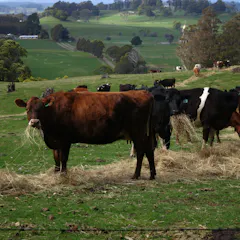
Cow burps and farts are no joke – they’re a big factor in climate change. A new study shows that daily seaweed supplements could tame this major methane source while saving ranchers money.
Top contributors
-

Researcher, modeling and futures expert, International Livestock Research Institute
-
Research Fellow, Obafemi Awolowo University, Regional Coordinator, Institute for Security Studies
-
Principal Health Risk Advisor – Chemicals, EPA Victoria, and PhD graduate, School of Pharmacy and Medical Sciences, Adelaide University
-
Health Sustainability Diets Researcher, University of Glasgow
-
Principal Scientist and Associate Professor, CGIAR
-
Honorary Professor, School of Natural Sciences, Macquarie University
-
Associate Doctoral Researcher in Environmental Economics, Potsdam Institute for Climate Impact Research
-
Professor of Forestry, Wildlife and Fisheries and Director, Center for Native Grasslands Management, University of Tennessee
-
Assistant Professor of Vet Microbiology and Preventive Medicine, Iowa State University
-
Economist, spatial statistics expert, International Livestock Research Institute
-
Professor & Director, Primary Industries Climate Challenges Centre, The University of Melbourne
-
Researcher, farming systems analyst, International Livestock Research Institute
-
Professor and research co-lead of Safeguarding Health through Infection Prevention, Glasgow Caledonian University
-
Assistant Professor in Environmental Economics, Technical University of Berlin and Associate, Institute for New Economic Thinking at the University of Oxford, University of Oxford
-
Assistant Professor of Wildlife Ecology, Xi'an Jiaotong-Liverpool University