
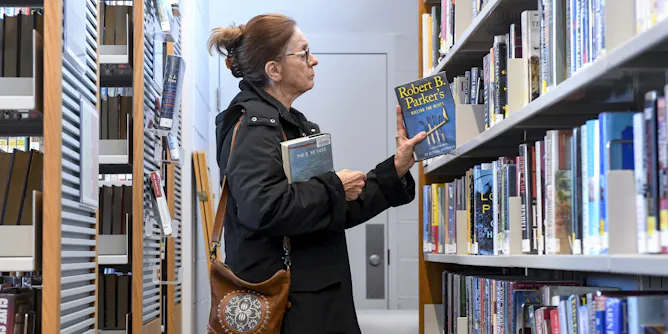
The nation’s first successful circulating library was established almost 300 years ago by Benjamin Franklin in Philadelphia.
Articles on Librarians
Displaying 1 - 20 of 31 articles

A distinctly rational, masculine curiosity is at play in David Walsh’s new, private library. And ditching the Dewey system for the digital brings surprises.
A new database includes more than 850 dissertations and theses, spanning everything from baseball slang and cigarette smoking to postage stamps and ballpark organs.

Nationally, about 11 male educators die by suicide for every 100,000 people, compared with a rate of almost 23 for all Americans.

Students have 24/7 access to a vast collection of audio books, e-books, movies, magazines, journals, newspapers and other digital resources through the POWER Library.
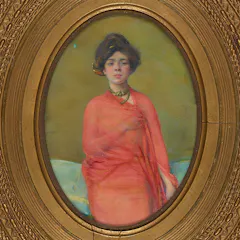
Belle da Costa Greene, who was JP Morgan’s librarian, became a lively fixture at Gilded Age mansions, country retreats, auction houses and art galleries. She was also a Black woman who passed as white.

Library scientists offer tips and tricks to figure out if a particular online news article is reliable or fake.

Yes, books are at the heart of libraries. However, books are not the only things that matter in libraries.
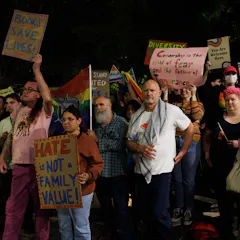
More than 40,000 people petitioned to reverse Cumberland City Council’s book ban, showing the power of collective action against censorship.
Librarians are defending the rights of readers and writers in the battle raging across the US over censorship, book challenges and book bans. That conflict has even changed how librarians are trained.
A scholar of literature for children and young adults shares her insights on how to better connect children with literature and libraries with their communities.
A free speech expert defines censorship and applies that lesson to current political struggles in the US to ban books from public schools and libraries.
The number of school librarians in the US has dropped about 20% over the past decade, a recent study found. Here are four ways school librarians prepare students for today’s world.
Portions of the internet disappear every day. Preservation of this historical record requires a proactive approach by archivists and everyday citizens.
Unlike scholars, Google’s search engine can’t automatically decide which sources are the most important, most accurate or most significant.
During economic downturns, local governments tend to cut spending on libraries, even as the need for their services grows.
What stories will we tell about library collections in the future? As digitization takes over libraries, margin notes and scribbles are still part of the research process.

Some graphic novels can spur teens’ engagement with social justice issues.
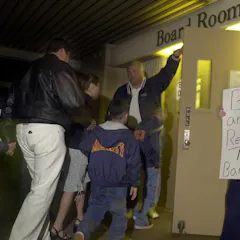
There’s a long history of books being banned from public and school libraries.
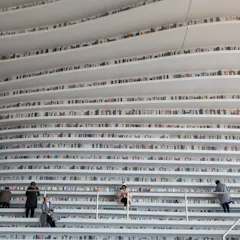
In our world of pervasive consumerism, libraries continue to be founded on humanism. Their core purpose as accessible places is vital – yet they are also now popular tourist destinations.
Top contributors
-

Adjunct Senior Industry Fellow, School of Global, Urban and Social Studies, RMIT University
-
Professor of Information Sciences & Director, Social Change Enabling Impact Platform, RMIT University
-
Baker Endowed Chair and Professor of Library and Information Science, University of South Carolina
-
Professor of Information Science, University of South Carolina
-
Affiliate Faculty, Antioch University Seattle, School of Education, School Library Endorsement Program, Antioch University
-
Professeur des universités, Université Côte d’Azur
-
Postdoctoral Researcher, University of California, Irvine
-
Joanna Mendelssohn is a Friend of The Conversation.
Honorary Senior Fellow, School of Culture and Communication, The University of Melbourne
-
Director of Library and Information Resources, Mansfield University of Pennsylvania
-
Adjunct Associate Professor, Monash University
-
Assistant Professor of Library and Information Science, University of North Carolina – Greensboro
-
Professor of Law, University of Dayton
-
Librarian and Associate Professor, Boise State University
-
Brechner Eminent Scholar in Mass Communication, University of Florida
-
Professor in Politics and Journalism, University of Notre Dame Australia