
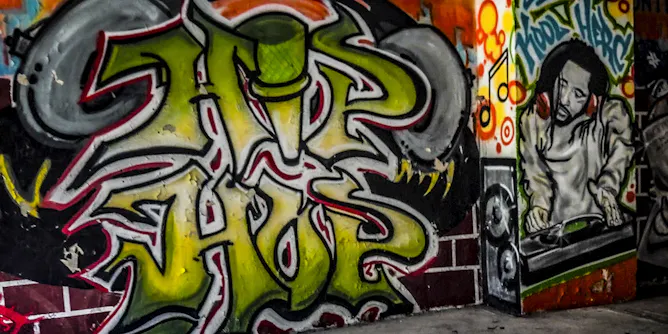
In a Toronto-based ‘artivism’ program, emerging artists gain skills integral to their artistic practice and create accessible information about the youth justice system.
Articles on Legal rights
Displaying 1 - 20 of 24 articles

In the past, when courts considered disputes over what to do with no-longer-wanted embryos, they typically considered them property. The Alabama ruling challenges this legal precedent.

The Christmas season brings joy to many, but it can also raise some legal issues. Our team of experts examine a few.

The idea of giving aspects of nature legal rights is gaining traction – but the results are mixed.

English has failed often as the main language of court in proceedings - this impacts testimony and must be addressed.
It is not acceptable for the law to disregard, or further constrain, the reality of First Nations’ prior possession of this country.

The legal uncertainty surrounding telemedicine services is not without consequences. Patients may not have access to public protection remedies.

The case Fulton v. Philadelphia is about foster care. But questions over a decades-old Supreme Court ruling may have wider implications.

Canadians should know more about how our government co-operates with other countries in criminal cases. Are we unwittingly risking the lives or rights of those accused of crimes?

Multiple failures to properly enforce border quarantine measures should never have happened, given the strength of New Zealand’s emergency laws.
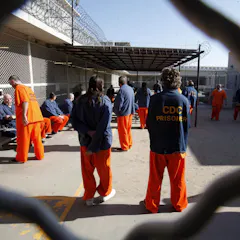
Prison lawyers in Canada are scrambling to fill the gap left by federal inaction on inmate populations who are vulnerable to COVID-19. A recent case in Ontario could provide a legal precedent.

Co-parenting in the time of COVID-19 has thrown up a whole set of new challenges, including potential disagreements over who the child spends time with and whether they should attend childcare.

Should lakes, rivers and other resources have legal rights? New Zealand, Ecuador and other countries have taken this step. Now Toledo, Ohio is a US test case.

Courts have created three legal barriers that have made it much harder for workers to complain to their employers about sexual harassment.

Big data and algorithmic applications could transform how our legal institutions work, but the digital revolution must keep the needs of judges, attorneys and especially citizens at its heart.
Critics say that #MeToo has turned the legal principle of innocent until proven guilty on its head, but such comments privilege the rights of perpetrators over justice for victims.
Many who represent themselves in court fail to make it through the process, have their case dismissed or lose what otherwise would have been a winning case.

Cohabiting couples can sign an agreement to avoid legal uncertainties in the case of a relationship breakdown.

Tony Abbott has claimed that same-sex de facto couples already have the same rights as married couples. This is not true.

Technology poses a challenge to how we treat suspects and police society.
Top contributors
-

Professor of Economics, Manchester Metropolitan University
-
Assistant Director, Center for Access to Justice, Georgia State University
-
Professor of Law, UNSW
-
Lecturer, Law School, Lancaster University
-
Professor Emerita, Law, University of Sydney
-
Professor of Law and Co-Director, Center on Applied Feminism, University of Baltimore
-
Associate Professor of Law; Faculty Director, Center for Access to Justice, Georgia State University
-
Lecturer in Law, La Trobe University
-
Senior Lecturer, The University of Melbourne
-
Senior Lecturer in Law
-
Dean and Professor, Law School, La Trobe University
-
Avocat, enseignant et chercheur associé en droit et politiques de la santé / Lawyer, lecturer and research associate in Health Law and Policy, Université de Sherbrooke
-
Professor of International Studies, University of San Francisco
-
Professor of Law, University of Waikato
-
Professor of International Politics in the Department of Political Science and International Studies, University of Birmingham