
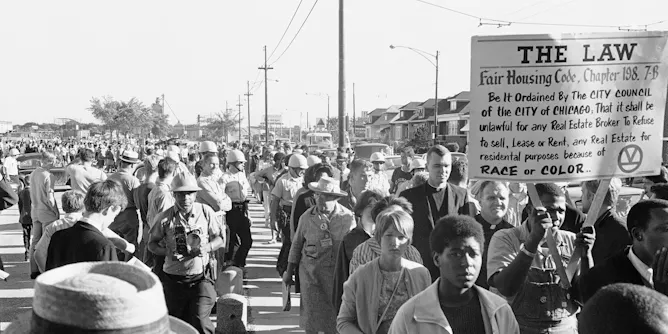
Donald Trump’s false claims about Haitian immigrants echo an enduring element in the history of American housing − that certain people don’t belong in certain neighborhoods.
Articles on Land rezoning
Displaying all articles
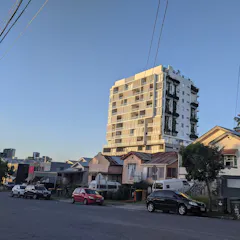
Simply rezoning land for higher density is not enough to achieve the planning goal of transforming low-density and car-centric neighbourhoods into mixed-use and walkable neighbourhoods.
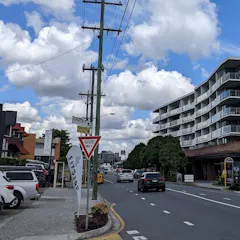
The zoning policies that planners introduced to create vibrant and resilient mixed-use neighbourhoods have had the opposite effect, as services and residential developments crowd out light industry.
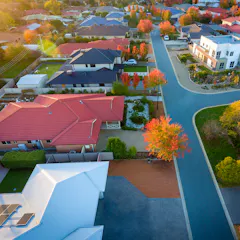
Australian data suggest that prices do not fall when zoning is relaxed.
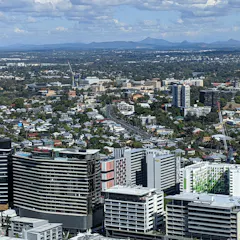
Brisbane City wants to preserve backyards, but they account for much of the open space lost to development under policies that also aim to increase housing density in existing urban areas.
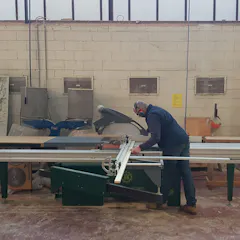
Rezoning to mixed-use residential development drove small manufacturers and creative producers out of the inner city. The result is less diversity of land uses, jobs and services where we most want it.

A new project documents who uses urban industrial lands slated for redevelopment. It reveals a vibrant but largely hidden sector at the interface between creative industries and small manufacturing.
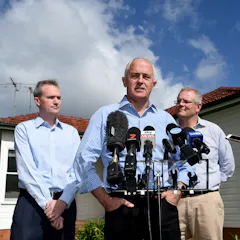
Housing experts writing for The Conversation largely agree on the government policies that are causing negative distortions in the market and the wider economy. And supply is not the key concern.
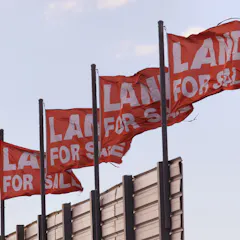
A study tracks how well-connected land-owners have benefited from favourable rezoning decisions. So what’s the best way to crack down on these cosy relationships?
Top contributors
-

Lecturer, Real Estate and Property Development, Griffith University
-
Professor and Director of Urban Planning & Design, Monash University
-
Research Fellow - Henry Halloran Trust, University of Sydney
-
Australian Laureate Fellow, University of Sydney
-
Associate Professor of Human Geography, The University of Queensland
-
Professor of Cultural Economy, Adelaide University
-
Professor of Geographical Information Science, School of Earth and Environmental Sciences, The University of Queensland
-
Professor of History, University of Iowa
-
Senior Lecturer in Communications and Media, Monash University
-
Research Assistant, Australian Centre for Culture, Environment, Society and Space (ACCESS), University of Wollongong
-
Professor of Urban Planning, The University of Melbourne
-
Co-Director, Wellbeing Program, London School of Economics and Political Science
-
Professor, Faculty of Design and Society, University of Technology Sydney
-
Lecturer in Urban and Regional Planning, Queensland University of Technology