
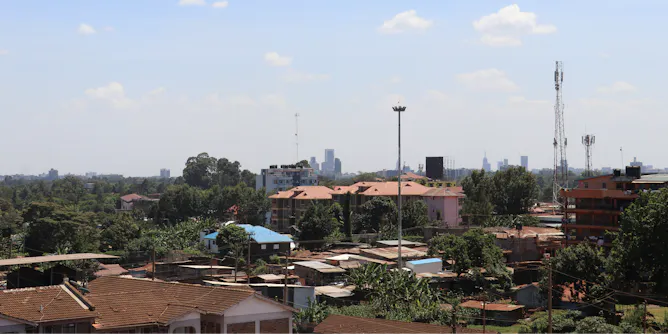
Urbanisation is experienced through growing tensions within families over precious yet meagre plots of land.
Articles on Land dispossession
Displaying all articles

South Africa’s historical honeybush herbal tea farmers were dispossessed of their land during colonialism and apartheid. Steps must be taken to right this wrong.
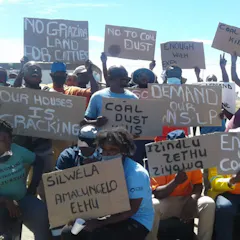
A new book looks at the spiritual dislocation experienced by people to make way for coal mines.
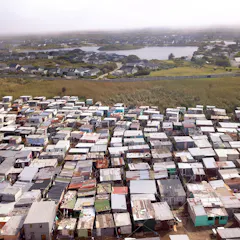
The expropriation of property for land reform purposes is a potential tool for reducing land inequality.

The destruction of food systems in Gaza and Canada is part of a larger effort of land dispossession and capitalist accumulation. The fight for food sovereignty is about justice and self-determination.
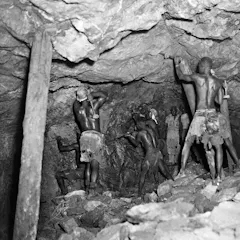
Corrective policies should be implemented as part of a holistic, long-term strategy to address historical injustices and create a more equitable South African society.

Skewed reportage on the land debate contributes to entrenching the injustices of colonialism and apartheid.
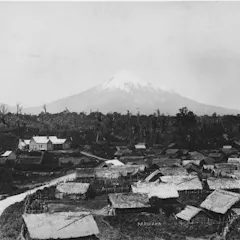
While tracing his own family’s journey from Ireland to Aotearoa New Zealand, Richard Shaw encountered how much ‘selective amnesia’ about the colonial past still shapes our lives today.
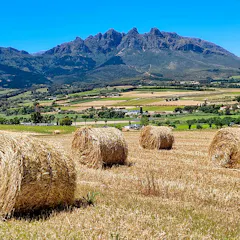
Land reform had not been held back by the constitution but by capacity constraints and a lack of political will.

Liverpool is the first city in England to investigate, via a land commission, how urban property can best serve everyone.
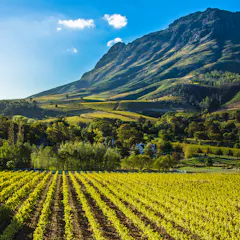
South Africa’s that current land reform strategies focus too narrowly on agricultural outcomes and transferred ownership - this undermines equitable and sustainable land reform.
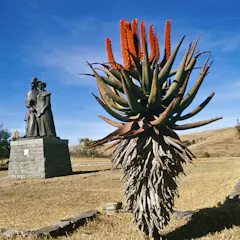
It is not hard to see the roots of 20th century apartheid policies in the legacy of the British settlers.

Mining companies and some heritage consultants don’t understand the sacredness attached to ancestral remains, and the meaning of land in African communities.
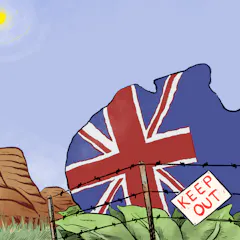
The farmer has long been held up in society as the ‘real Australian’, but this image ignores the role of agriculture in dispossessing Indigenous people of their lands and culture.
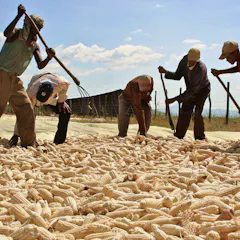
Many African countries are still searching for inclusive commercial farming models that can bring in private investment without dispossessing local people.
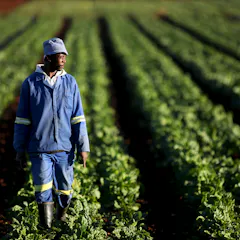
South Africa’s government makes much of its efforts of putting more land in the hands of the previously disenfranchised black majority. Yet, many beneficiaries continue to wallow in poverty.
Top contributors
-

Researcher, University of the Witwatersrand
-
Senior Research Fellow, Alfred Deakin Institute, Deakin University
-
Associate Professor, University of Ghana
-
Professor, Institute for Poverty, Land and Agrarian Studies, University of the Western Cape
-
Lecturer, National University of Lesotho
-
Professor of Sociology specialising in development., Rhodes University
-
Post-Doctoral Research Fellow Department of Environmental Science, Rhodes University
-
Research Associate, Centre for Complex Systems, Stellenbosch University, Stellenbosch University
-
Professor, University of Johannesburg
-
Senior Fellow, Department of Agricultural Economics, Stellenbosch University
-
Lecturer in Global Urban Development, University of Manchester
-
Associate Professor, Centre for Sustainability Transitions, Stellenbosch University
-
Professor Emerita in Sociology and Honorary Research Professor in SWOP, University of the Witwatersrand
-
Professor of Urban Geography, University of Sheffield
-
Research Associate: Social-Ecological Systems scientist, University of the Witwatersrand