
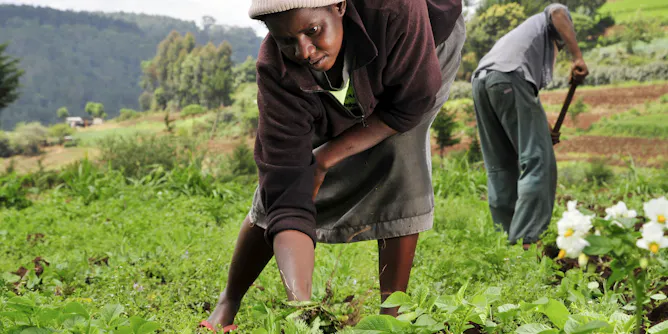
The increasing control of rural agricultural land by urban residents has implications for rural people and spaces.
Articles on Land degradation
Displaying 1 - 20 of 30 articles
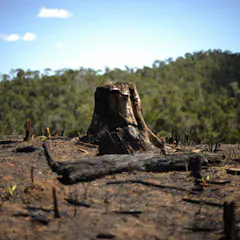
In the past 11 years, we’ve lost roughly 300 million hectares of forest. Three ecologists explain why our current conservation strategies aren’t working.
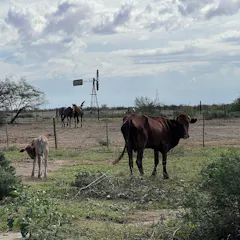
Mesquite tells a story about unintended consequences; but it also shows how careful, collaborative responses can lead to solutions for people and the environment.
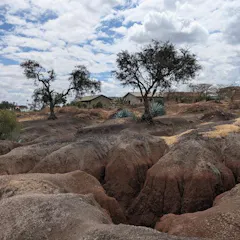
Erosion is intensifying in parts of Tanzania. But there are initiatives underway to tackle this gaping problem.
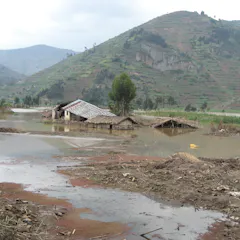
Africa is heavily dependent on agriculture. At this year’s COP30 conference, the continent needs to secure more funding to adapt land to climate disasters.
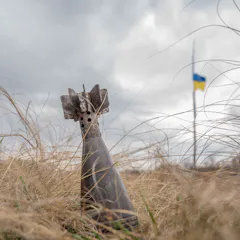
One of the main ways conflict leads to environmental harm is by leaving behind unexploded weapons and ammunition.
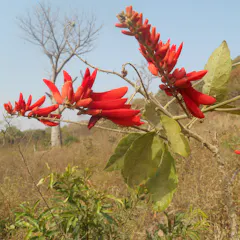
A new publication sheds light on the plants of Burkina Faso and Mali.
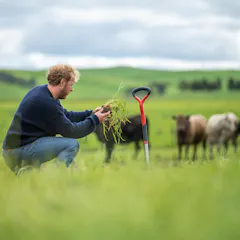
Their democratic structure and wide networks mean agricultural cooperatives can speed the uptake of innovative and sustainable farming practices.
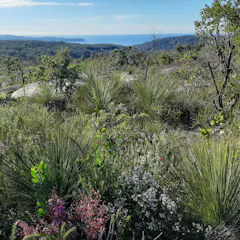
The need to restore native vegetation is clear, but we can’t properly repair nature without good, diverse supplies of native seeds.
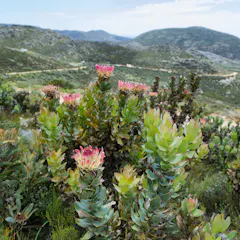
More than 700 million hectares of land in Africa has been degraded by human activity. Everyone can get involved in restoring the ecology.

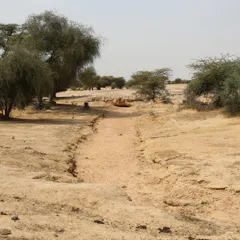
Satellite images and community perceptions combine to give a fuller picture of land use changes.
CC BY-NC-ND17.7 MB (download)
The global community must understand the importance of soil in order to protect it.
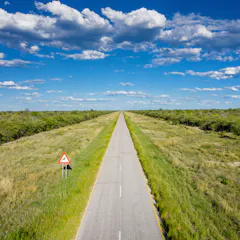
The presence of roads, even inside protected areas, may pose a significant threat to species.
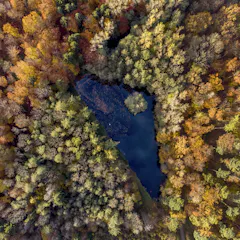
The pledge to end deforestation holds great potential, but Canada has some work ahead if it is to make meaningful progress on the new goal and stop ongoing forest and carbon loss.
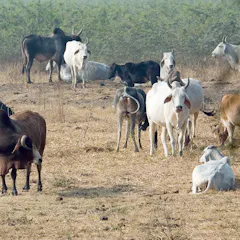
Critics have said that ranching is environmentally unsustainable because it results in land degradation. There are other reasons it’s not the solution.
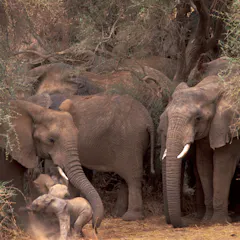
Elephants avoided areas where others were poached.
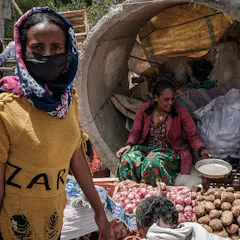
To avoid a repeat of one of the worst humanitarian crises of recent times, Ethiopia needs all-inclusive national dialogue.
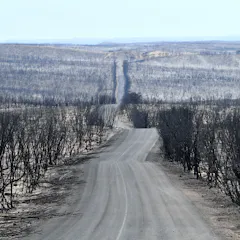
Humanity is destroying Earth’s ability to support complex life. But coming to grips with the magnitude of the problem is hard, even for experts.
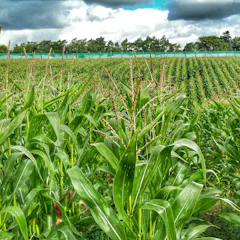
Rural communities are dynamic and complex. Imposing innovations that don’t speak to the needs of these communities will inhibit rural development.
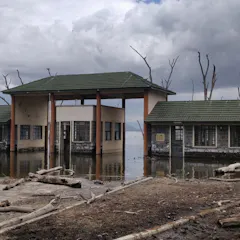
Because the forecast for rainfall in the Rift Valley basin is a rising trend, the lake levels look set to rise even more in the future.
Top contributors
-

Soil Systems Scientist, Center for International Forestry Research – World Agroforestry (CIFOR-ICRAF)
-
Professor of Environmental Engineering, University of Sydney
-
Researcher, Agricultural Research Council
-
PhD candidate Department of Environmental & Geographical Science, University of Cape Town
-
Senior Researcher and Statistician, University of Hohenheim
-
Guest Research Scholar, International Institute for Applied Systems Analysis (IIASA)
-
Research Chair, African Climate and Development Initiative, University of Cape Town
-
Lecturer, Department of Planning, University for Development Studies
-
Professor of Environmental Science, University of South Africa
-
University of Oxford
-
Senior Research Scholar Exploratory Modeling of Human-natural Systems Research Group - Advancing Systems Analysis Program, International Institute for Applied Systems Analysis (IIASA)
-
Matthew Flinders Professor of Global Ecology and Node Leader in the ARC Centre of Excellence for Indigenous and Environmental Histories and Futures, Flinders University
-
Postdoctoral researcher in African Climate Science, School of Geography and the Environment, University of Oxford
-
Professor and ARC Future Fellow, Hawkesbury Institute for the Environment, Western Sydney University
-
Senior Scientist and head of the GeoScience lab, Center for International Forestry Research – World Agroforestry (CIFOR-ICRAF)