

Even with an unemployment rate of 3.9%, wages aren’t adjusted often.
Articles on Labour Force
Displaying 21 - 40 of 68 articles
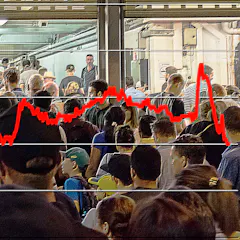
Even the government’s pledge of 1.3 million extra jobs might not be enough to keep unemployment below 4%. The pledge ought to be the unemployment rate itself.

The Way to Work scheme will increase the pressure of benefits sanctions, which is particularly damaging for women and mothers.
Evidence shows that benefits sanctions push people into worse jobs, with long term negative effects.

Freelancers who have lost work during the COVID-19 crisis can take steps to ensure they have a successful long-term career in the post-pandemic period.
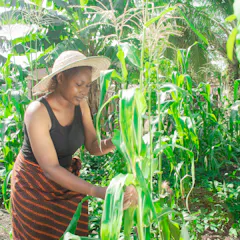
Africa is far from having an ageing farming population. What is missing is a critical mass of skilled, young farmers with access to finance who could drive productivity in farming.

We estimate 39% of all jobs in Australia can be done from home, with men more likely to have teleworkable jobs.

Even in places that are now COVID-free spending remains subdued, and different.

Being flexible about both location and the nature of employment will help youth make the most of the current challenging labour market situation due to COVID-19.
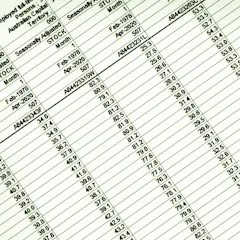
Women have suffered much more than men. Many who were employed in March have withdrawn from the labour force and so aren’t counted as unemployed.

We are going to need some sort of wage subsidy well beyond six months. The best kind of subsidy would be portable.

There’s a lot the treasurer could do, but there’s an argument for leaving things as they are.

Now that Canadian youth can work part-time without becoming ineligible for government assistance, many will be incentivized to work in jobs in increased demand during the COVID-19 shutdown.

Jobkeeper is far from perfect and open to abuse. On the face of it, it supports 6.6 million wages to save 1 million jobs.

There is a strong economic case for a higher child-care subsidy to help rebuild the Australian economy after the coronavirus crisis.

The ABS is providing near real-time data like never before. It’s labour force survey remains the most authorative way of tracking the labour market.

Closing schools and childcare might take 30% of Australia’s health care workers offline. Here’s a way to keep them working.
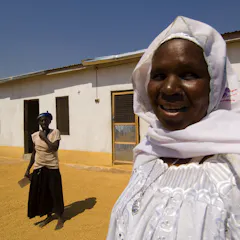
Ghana has ambitious policies on gender equity but is struggling to realise them.

It’s critical to determine how Canadians who have been considered vulnerable members of the workforce are meaningfully included within the future of work.

More of us are in work than ever before, but we are more cautious than before, less likely to ask for more pay or change jobs.
Top contributors
-

Professor of Economics, The University of Melbourne
-
Dean of Business School, University of Southern Queensland
-
Associate Professor, Bankwest Curtin Economics Centre, Curtin University
-
Professorial Fellow and Co-Director, HILDA Survey, Melbourne Institute of Applied Economic and Social Research, The University of Melbourne
-
Democracy Deputy Program Director, Grattan Institute
-
Chief executive officer, Grattan Institute
-
Professor of Economics, Department of Economics and Finance, University of Guelph
-
Associate Professor in Managing People and Organisations, University of Sydney
-
Professor, Economics, University of the Western Cape
-
Research Associate, Centre for the Study of African Economies, University of Oxford
-
Professorial Fellow, The University of Melbourne
-
Associate Professor at the Centre for Contemporary Middle East Studies, University of Southern Denmark
-
Director, Centre of Policy Studies, Victoria University
-
Professor of Employment Relations and Director of the Work, Organisation and Employment Relations Research Centre (WOERRC), University of Sheffield
-
Professor, Centre of Policy Studies, Victoria University