
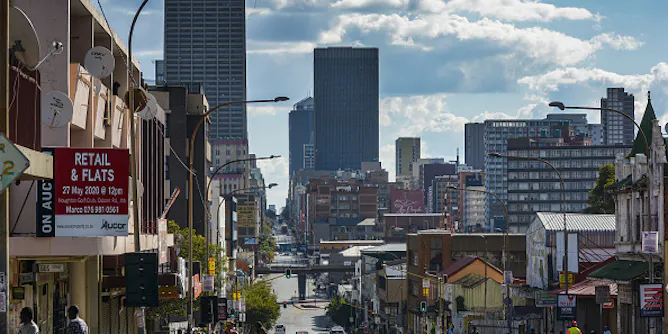
Labour migrants from other provinces into Gauteng and the Western Cape are more likely to be employed than the two provinces’ permanent residents.
Articles on KwaZulu-Natal
Displaying 21 - 38 of 38 articles
Before 200,000 years ago, close to the origin of our species, people preferred the use of broad-leaved grasses to build their beds and resting areas using ash layers underneath.
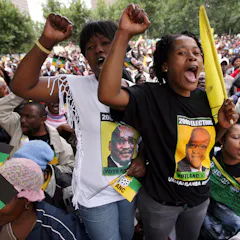
Author shows how politicians intent on settling problems by physically eliminating opponents tap into a ready source of assassins from within the taxi industry.
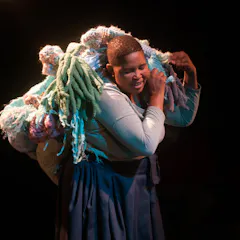
Empatheatre’s latest production is more than a play about three characters who live near the sea. It’s a model for collective consultation on how to save the ocean.

Joseph Shabalala would grow world famous for his music. But it is shaped by the spiritual aspects of his life as much as it is by the hardships of black life - and by his dreams.
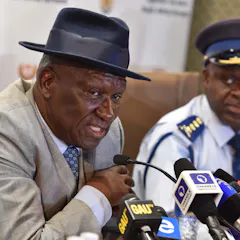
The task team established to investigate political killings in KwaZulu-Natal has had little impact on exposing those behind the violence.
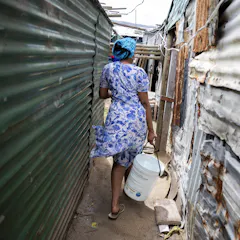
Two interventions proved effective in reducing men’s perpetration, but not women’s experiences of violence.

Colonialism and apartheid sought to make traditional leaders accountable to white officials by tying them to land.
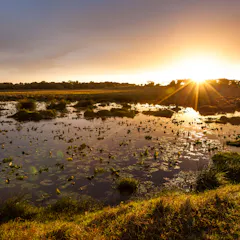
With partnerships between landowners, the government and businesses, South Africa can invest in its wetlands and boost the country’s potable water reserves.
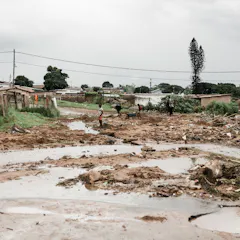
Rebuilding informal settlements after a disaster must be done through learning from those who live in the settlements.
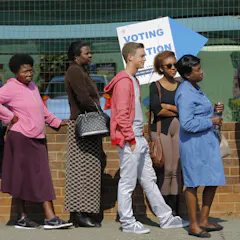
South Africa’s polls have been praised for adhering to international election best practice. But, they are not without problems.

The ANC has lost so much support among its traditional voters it’s now forced to look beyond them to retain power.
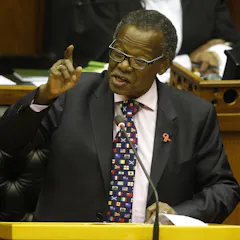
Mangosuthu Buthelezi carries extensive accountability for the sectarianism that characterised politics in South Africa before 1994.
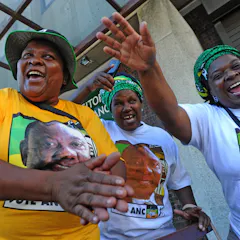
The problem with South Africa’s governing ANC, is that to many of its members, politics is not about public service but about resources.

More than 90% of violent crimes in South Africa fall outside the categories named in the police’s new anti-crime strategy.
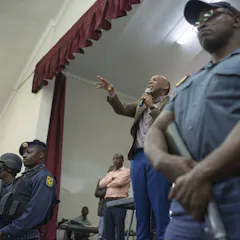
Some of the factors behind the riots by ANC supporters in Tshwane are not new. They include gripes within the governing party about its process for choosing mayors and divisions over Jacob Zuma.
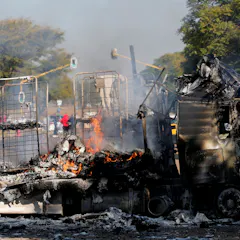
The increase in rioting ahead of municipal elections in South Africa, such as that in Pretoria, suggests that the country’s general election in 2019 could be more violent than previous elections.

Childhood asthma in low- and middle-income countries is on the rise and symptoms are often more severe. Contributory factors include living with anxiety and being exposed to community violence.
Top contributors
-

Associate Professor of History, Southern Methodist University
-
Professor of Sociology, University of the Witwatersrand
-
Professor of Political Studies, University of Johannesburg
-
Full Professor in Anthropology, University of KwaZulu-Natal
-
Professor in Political Science, University of South Africa
-
Lecturer, Culture and Media department, Birkbeck, University of London
-
Professor, Economics, University of the Western Cape
-
Research Associate at UCT's Centre of Criminology, Consultant at the Institute for Security Studies (ISS), University of Cape Town
-
Senior Researcher, Agricultural Research Council
-
Postdoctoral Fellow in Public Health, University of Oxford
-
Post-doctoral Research Fellow, University of the Witwatersrand
-
PhD researcher at University of KwaZulu-Natal, University of KwaZulu-Natal
-
Executive scientist: Research strategy, South African Medical Research Council
-
Criminologist / Senior Lecturer, Stellenbosch University
-
Political Scientist, University of the Western Cape