
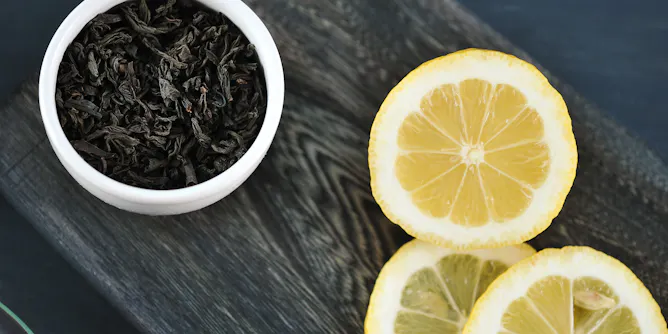
It’s all about the chemistry. Adding lemon can enhance the flavour and enjoyment of tea, and change its colour, but its best not to expect any extra boosts to your health.
Articles on Kitchen science
Displaying 21 - 31 of 31 articles
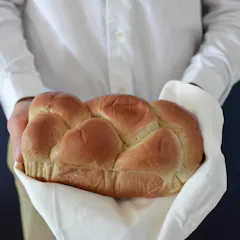
From the most elaborate cake to the humblest loaf, a key to success is the beautifully aerated structure within – but producing consistent results can be difficult. Now, science may have found out why.
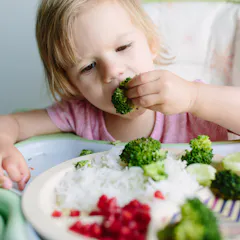
Your genes, your saliva and the bacteria that live in your mouth all shape how food tastes and what you prefer to eat.

The same chemical reaction is behind the frothing of milk in your cappuccino and the whipping of egg whites in sweet meringue.
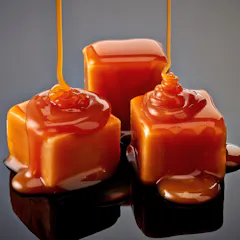
Sugar is maligned for its effects on our health, but it’s an amazing substance and can be used for more than just making things taste sweet.
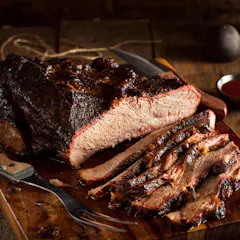
Have you ever wondered how freshly baked bread gets its a golden brown crust, or why coffee beans smell so good? You can thank the miracle of the Maillard reaction.
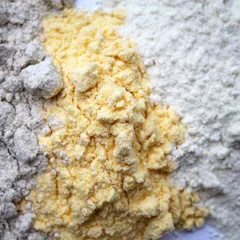
From non-Newtownian fluids, to hydrophobic starch, to plasticisation - various flours can do amazing things. But you must choose the right one for the job!
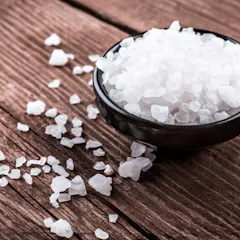
That salt on your table can do amazing things chemically, and to the flavour of your favourite food. But don’t eat too much!
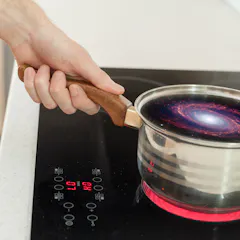
From supernovae explosions to the expansion of the universe and why the sky is blue: you can learn a lot about the universe in the kitchen.
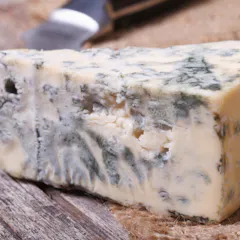
Many of us shirk at the thought of bacteria or fungus in our food, but without them, we wouldn’t have many of our favourite foods.
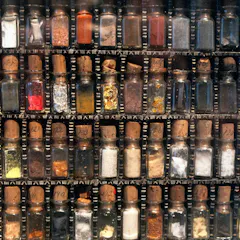
Chemicals have a bad rap these days. But the fact is that everything is made of chemicals. Here are some of the chemicals at work in your kitchen.
Top contributors
-

Associate Professor in Chemistry and Associate Head Learning and Teaching, University of Tasmania
-
Professor in Food Science, University of Southern Queensland
-
Honorary Associate Professor, University of Leicester
-
Professor (Food Science & Human Nutrition), Singapore Institute of Technology
-
Professor of Microbiology, Swinburne University of Technology
-
Doctorant en épistémologie et chargé du projet DIM ASTREA, Inrae
-
Research Group Leader and Food R&D policy leader, CSIRO
-
Laureate Professor in Nutrition and Dietetics, University of Newcastle
-
Senior Lecturer in Physics, Queensland University of Technology
-
Senior Lecturer, Nutrition and Food Science, Australian Catholic University
-
Professor of Agriculture, University of Sydney
-
Senior Lecturer in Chemistry, Swinburne University of Technology
-
Program Director of Nutrition and Food Sciences, Accredited Practising Dietitian, Adelaide University
-
Swinburne University of Technology
-
Professor of Mathematics, University of Wisconsin-Madison