

The recent online treatment of a K-pop singer reveals how the legacy of the Vietnam War still holds sway over the country to this day.
Articles on K-pop
Displaying 21 - 40 of 44 articles
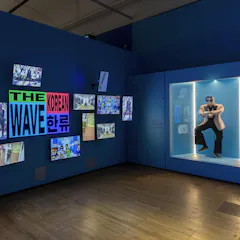
Starting in the late 1990s, South Korea’s promotion of its cultural exports abroad has made it a major power on the international stage.
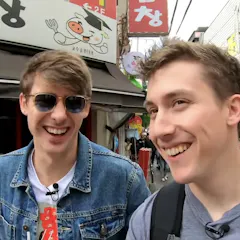
Korea is an attractive destination for aspiring influencers, and the government supports these budding stars.

Military service is compulsory in South Korea and many deem it unfair that the band’s members have been allowed to put it off.
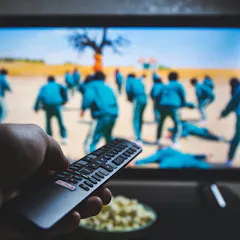
Just because Asian content is currently trending, doesn’t mean anti-Asian racism and discrimination aren’t. Let’s support Asian people in accessing mental health services.

An online influencer’s desire to identify as ‘transracial’ reveals their own racism, transphobia and privileged perspective.
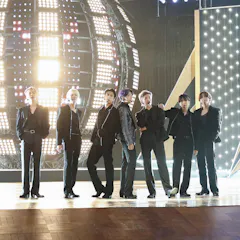
A professor who researches BTS is building a diverse archive of media and analysis about the pop icons.
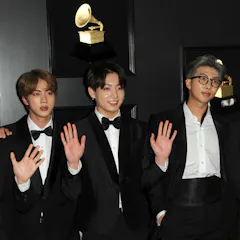
A new wave of Korean music and cinema can play a powerful role in changing perceptions and stereotypes of Asian people.
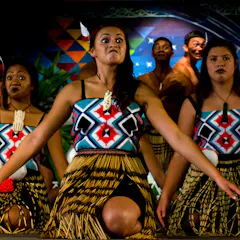
The state-sponsored pop cultural renaissance of Korea shows how language isn’t an obstacle to world domination.

Ko tā te kāwanatanga Kōrea whakahou i te ahurea o te marea, kei te whakaatu kāore te reo e aukati ana i tō angitu i te pae matawhānui o te ao.

BTS has broken record after record but the industry still discounts K-pop as not pop.

If teenagers organizing on social media can hamper a presidential campaign rally, how challenging is it to manipulate elections?
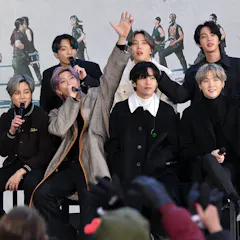
Few of those in the K-pop industry have donated or even spoken out in support of the Black Lives Matter movement.

A cross-border love story set on the Korean peninsula is the most popular television drama in South Korean history.
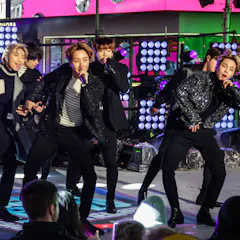
Even though the way we access pop music has changed and gone digital, hitmakers lag behind other industries in terms of globalisation.

Monsta X fans have been derided as boy-band dupes, but their protests against the treatment of superstar Wonho shows them rejecting the capitalist system that’s quick to cut people loose.
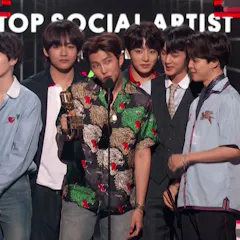
K-pop fans are a global network of varied ages and nationalities, who have an active, creative and symbiotic relationship with their idols.
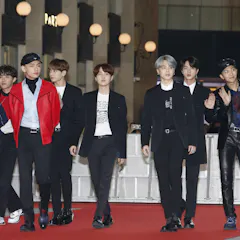
K-pop has claimed its share of the world market. It is about time that I-pop gives its best to do the same.

Their compilation album Love Yourself: Answer sold 2.5m copies – that’s twice as many as One Direction’s last album.
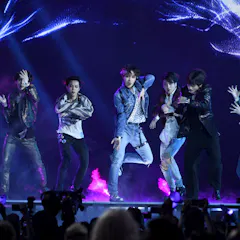
K-pop has been hugely popular in Asia, but has never able to catch on in the U.S. – until BTS topped the Billboard 200.
Top contributors
-

Senior Lecturer in Korean Studies, University of Sheffield
-
PhD Candidate, Adelaide University
-
Senior Lecturer in Māori Language Revitalisation, Auckland University of Technology
-
Professor (Korean Society and Culture), Director of Korea Research & Engagement Centre, Curtin University
-
Deputy Director - Undergraduate Business Programs; Senior Lecturer in Economics and Statistics, Griffith Business School, Griffith University
-
Assistant professor, University of Amsterdam
-
PhD Candidate, University of Leeds
-
Associate Professor in International Communications, University of Nottingham
-
Associate Professor, Design Anthropology, Swinburne University of Technology
-
Deputy Vice Chancellor (Students Equity and Indigenous), Edith Cowan University
-
Clinical Assistant Professor of Communication, USC Annenberg School for Communication and Journalism
-
PhD candidate, Media and Communication, University of Leeds
-
Senior lecturer, Canberra School of Government, University of Canberra
-
PhD Candidate, Comparative Public Policy, McMaster University
-
Assistant Professor, Department of English, Lakehead University