

The antisemitism envoy has criticised the ABC’s coverage of the Israel-Hamas conflict. But presenting all sides equally can distort the truth.
Articles on Journalistic ethics
Displaying 1 - 20 of 33 articles

Media framing shapes people’s understanding of the world. A political communication scholar says that journalistic outlets’ failure to call Donald Trump an authoritarian is a problem for democracy.

Fact-checking is seen as an effective strategy to combat misinformation and disinformation.
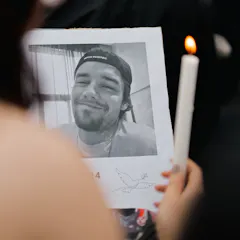
The tragic death of One Direction star Liam Payne has again raised questions about ethical news reporting when global stars die.
Where do free speech rights end and professional journalistic obligations begin? For journalists in the public eye, it can be hard to tell.
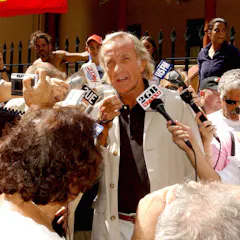
Pilger inspired many with his willingness to critique the damaging effects on ordinary people’s lives of capitalism and Western countries’ foreign policies. But he also provoked global controversy.
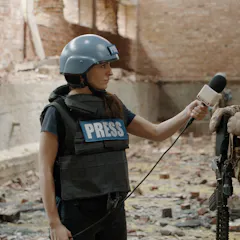
Hundreds of Australian journalists signed an open letter to news organisations calling for better coverage of the war. It calls their impartiality into question.
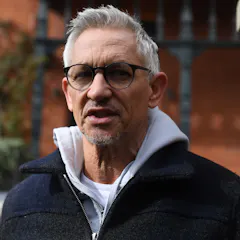
Over the past few years, most big media organisations have updated their social media rules.
The disinformation age is changing what it means to produce fair or balanced reporting.

Journalism has rarely had a fiercer critic, nor a finer practitioner than the longtime writer for The New Yorker, Janet Malcolm, who died last week aged 86.
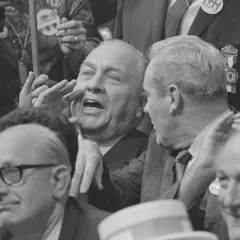
The accusation of bias is like kryptonite for responsible news organizations: the stronger their piety to the ideal of objectivity, the more vulnerable they are to complaints made in bad faith.
The concept that journalists should be objective is outdated and impossible. Instead, good reporters use life experiences to ask fresh questions.
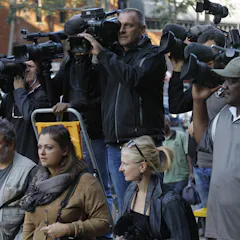
To rebuild lost trust in the media will require more commitment and effort than just papering over ethical cracks.
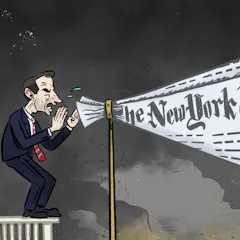
At this critical juncture in American history, the decision to publish a piece to “send in the troops” suggests a failure of nerve from an esteemed publication.

The Australian Press Council’s ruling suggests an exemption for ‘entertainment magazines’ from the standard of factual reporting. This ruling has no basis in Australian defamation law.
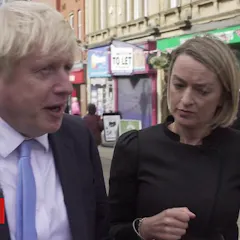
Political journalists must use anonymous sources with more care and not just parrot their briefings.
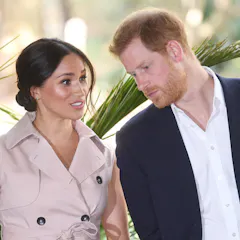
The Duke and Duchess of Sussex say they plan to sue a UK paper for publishing a private letter.
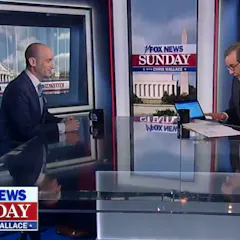
Why do TV news shows book interviews with people who lie or obfuscate? Dogged interviewer Mike Wallace was an example of how to do it right. But on live TV, it’s almost impossible to do what he did.
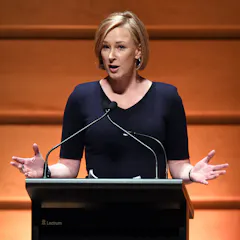
Part memoir, part investigation, Leigh Sales’s recent book Any Ordinary Day provides rare insight into the journalistic craft.
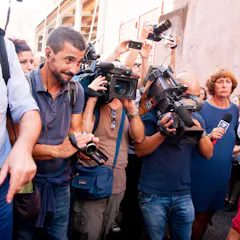
The transition to digital media is messy, and sometimes bloody – and beat journalism is among the victims.
Top contributors
-

Senior Research Fellow, Centre for Advancing Journalism, The University of Melbourne
-
Professor of Communication, Deakin University
-
Professor of Comparative Media Analysis, Loughborough University
-
Professor of Political Communication; Director CAJ, The University of Melbourne
-
Intermittent Lecturer I in Information, University of Michigan
-
Public Service Accountability Monitor: Advocacy Impact Programme Head, Rhodes University
-
Professor of International Relations, University of Glasgow
-
Associate Professor, Washington State University
-
Media and communications lecturer, University of Galway
-
Senior Lecturer in Journalism, Northumbria University, Newcastle
-
Head of Academic Programmes (Operations), University of South Wales
-
Assistant Professor of Marketing, University of Oregon
-
Lecturer, Cardiff University
-
Professor of Journalism and Media Studies, Rhodes University
-
Senior Lecturer in Critical Digital Media Practice, Lancaster University