
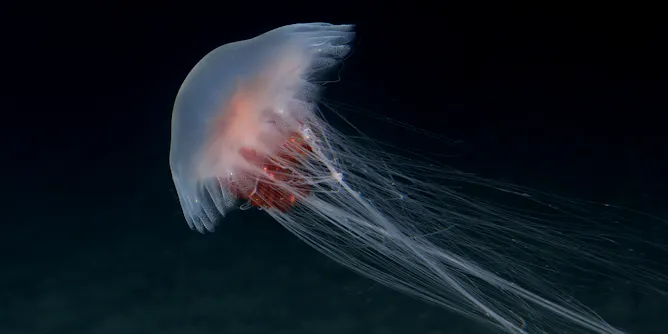
Over summer, several big jellyfish blooms were sighted in southern Australian waters. What might be behind these swarms?
Articles on Jellyfish
Displaying 1 - 20 of 40 articles
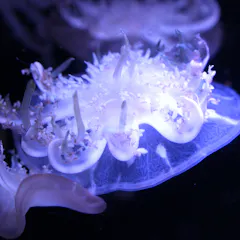
Scientists have long debated what the purpose of sleep is.
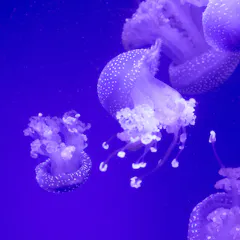
Fish will follow the plankton.
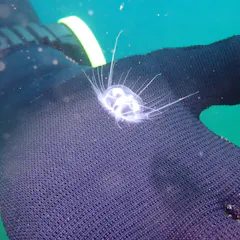
Freshwater jellyfish are growing in abundance in Canadian lakes and rivers. The reasons are complex but climate change is the primary culprit.
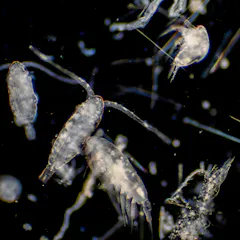
Explore the incredible underwater world of plankton.
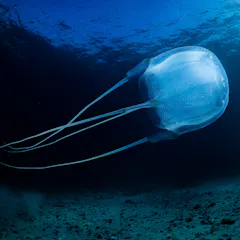
Box jellyfish have no brains, yet were recently found to be able to learn from touch. Many brainless organisms are now forcing us to rethink what it means to learn.
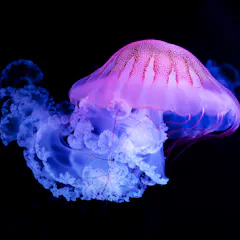
Jellyfish have a reputation to stinging wild swimmers and huge population “blooms”. But it’s a mistake to dismiss these animals as ocean pests.
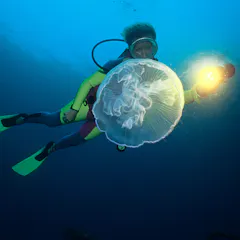
UK is home to a diverse range of jellyfish species – encounters with them may become more frequent as the ocean warms.
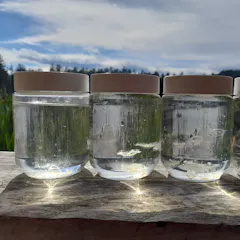
The Peach Blossom Jellyfish is an invasive species in Canada, and a lack of data is hampering efforts to control populations.

Hot water, cold water, rubbing with sand? What our new review says works best to treat jellyfish stings.
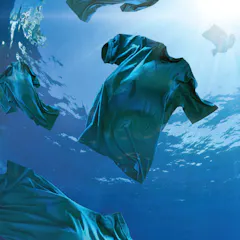
Polylactic acid – a popular bioplastic – does not readily break down when released into the ocean, and could disrupt marine ecosystems
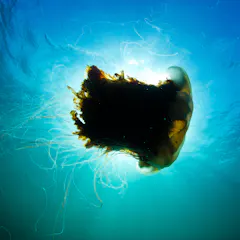
Plankton, some of the smallest organisms on Earth, are leading big changes in the ocean.
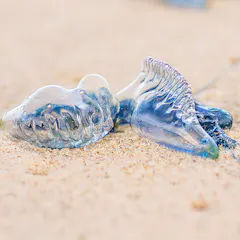
The direction a beach faces, relative to wind direction, largely determines how many bluebottles are pushed to shore.
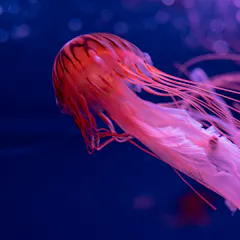
Most jellyfish are “passive” feeders. This means that they float through the water eating whatever they happen to pass in the water and can fit in their mouths.
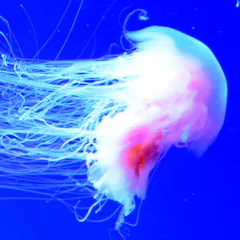
Scottish holidaymakers are seeing giant jellyfish brought to UK shores by wind and currents
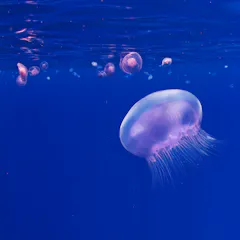
The new underwater robots successfully mimic the sea’s most efficient swimmers.
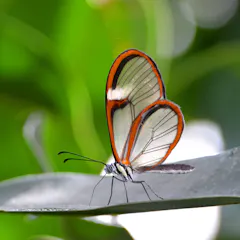
Transparency is an evolved characteristic of some species to help them survive, even when predators are staring directly at them.
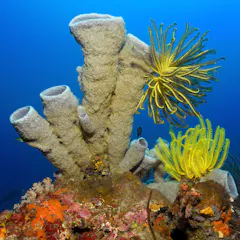
Over the past ten years, scientists have argued about what the earliest animal really was.

Global long-term data simply doesn’t exist for jellyfish, so scientists struggle to predict, track and mitigate their potential effects.
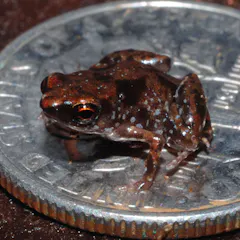
Scientists have identified the world’s smallest animal – for now. It could be possible smaller creatures exist that have not yet been discovered.
Top contributors
-

Professor, Griffith University
-
Research Scientist in Marine Biology, University of Tasmania
-
Associate Professor of Marine Conservation, University of Plymouth
-
Ph.D. Candidate, Brown University
-
Associate Professor, Marine Biology & Ecology Research Group (MBERG), University of Southampton
-
Distinguished Professor of Marine Science, King Abdullah University of Science and Technology
-
PhD candidate, University of the Western Cape
-
Professor of Tourism & Director, Centre for Tourism and Regional Opportunities, CQUniversity Australia
-
Professor of Marine Biology, University of Plymouth
-
Postdoctoral research associate, University of Zurich
-
Professor of Mechanical Engineering, Northwestern University
-
Professor of Zoology, University of Salento
-
PhD Candidate in Marine Biology, University of East Anglia
-
Head, Charles Campbell Toxinology Centre at the University of Papua New Guinea & Australian Venom Research Unit, The University of Melbourne
-
Assistant Professor in Biological Oceanography, University of North Carolina Wilmington