
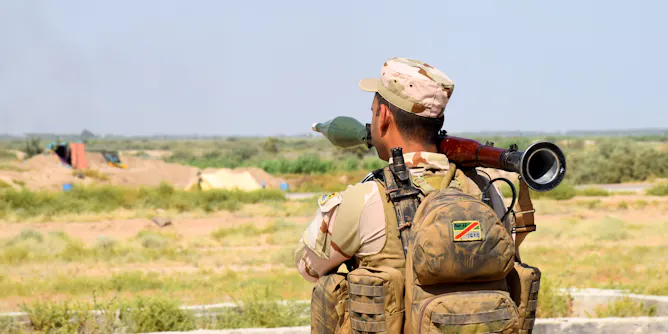
Fallujah has been an icon of Sunni resistance ever since the US bombed it in 2004.
Articles on Iraq
Displaying 261 - 280 of 491 articles
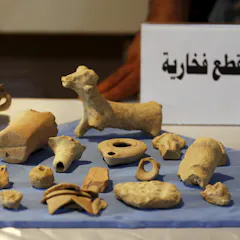
Profit estimates have ranged from $4 million to $7 billion. But with the Paris attacks costing only $10,000, does a number even matter?
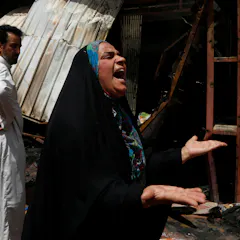
Obama’s military strategy in Iraq and Syria hasn’t defeated the Islamic State, but it isn’t a total failure either. A retired major general and law professor looks at the successes and shortcomings.
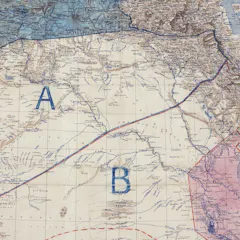
Over the years the words Sykes-Picot have taken on two meanings – one significant, the other less so.
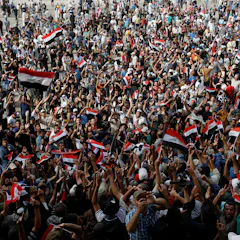
The Sykes-Picot Agreement delivered the spoils of war to Britain and France, and deferred the dreams of Arab nationalists.
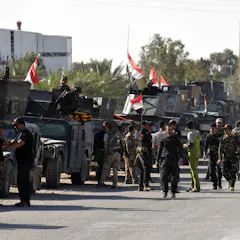
The Obama administration likes to say it won’t put “boots on the ground” in Iraq – but that’s increasingly at odds with reality.
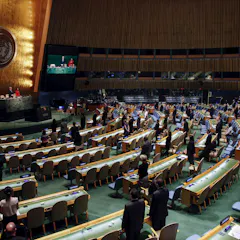
The urgent need to respond to ISIS has redefined the use of “self-defense” to include attacking a nonstate threat in another country. But what are the implications of this? change?
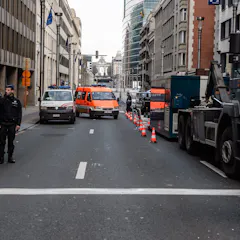
Although not an intuitive conclusion, the Brussels attacks are actually indicative of Islamic State’s growing decline and desperation.
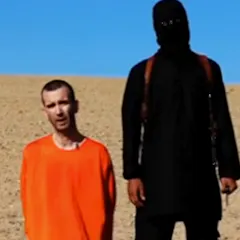
What is the likelihood of stateless terror suspects being brought to book for their crimes?

The final article of our series on the historical roots of Islamic State examines the role recent Western intervention in the Middle East played in the group’s inexorable rise.
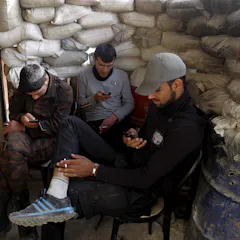
As usage continues to grow in the region, what’s the ongoing dynamic between the Middle East and social media? It’s complicated.
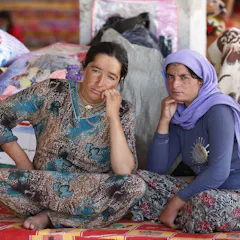
Domestic and sexual slavery are being used as weapons of war – and the victims are too often forgotten.
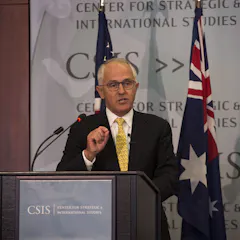
Malcolm Turnbull has called for the campaign against Islamic State to considerably improve its use of social media.
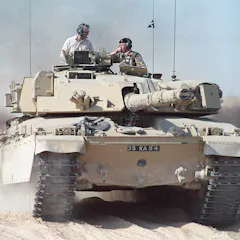
Overshadowed by the terrible conflicts to come, this short operation was nevertheless a significant global event.
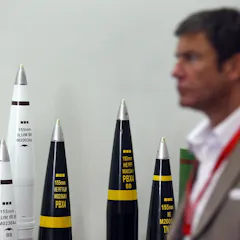
British-made weapons are still finding their way into the wrong hands. Doesn’t parliament have a responsibility to stop that happening?
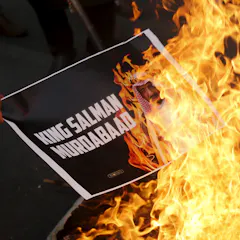
The war of words between the Gulf’s two biggest powers is hotting up, but they’ve been at loggerheads for decades.
There is little of Gareth Evans’ sweeping analysis in the cabinet papers of 1990-91 of a rapidly changing world order or of his vision of good international citizenship.
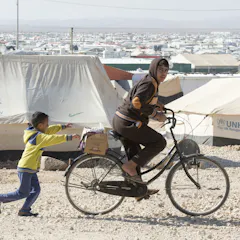
Syria and IS may have dominated the news this year, but the Middle East has plenty of other problems on its hands.
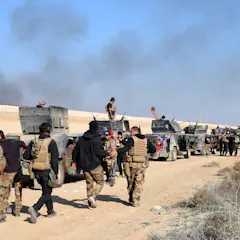
Iraq looks to have a good chance of retaking the capital of Anbar province from Islamic State. But what comes next?
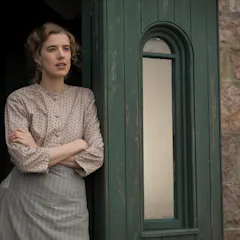
Lewis Grassic Gibbon’s tale of rural Scottish change between the world wars is anything but narrowly focused. It speaks to our universal sense of injustice and fairness.
Top contributors
-

Professor of Peace Studies, University of Bradford
-
Professorial Fellow, University of Canberra
-
Honorary Senior Fellow, The University of Melbourne
-
Lecturer in Translation Studies, Cardiff University
-
Research Fellow, Middle East Studies, Deakin University
-
Professor of International Politics, Clinton Institute, University College Dublin
-
Honorary Research Fellow, Department of International Politics, City St George's, University of London
-
Professor of International Politics, Deakin University
-
Sessional Academic, School of Social Sciences, Macquarie University
-
Director of the Curtin Extremism Research Network (CERN), Curtin University
-
Professor of International Relations, Lancaster University
-
Lecturer in Languages, Culture and Society, UCL
-
Professor in the Department of Government, University of Essex
-
Associate Lecturer, Faculty of Social Science, The Open University
-
Tony Walker AM is a Friend of The Conversation.
Director, La Trobe University