

Legal psychology researchers are investigating how police treat drunken suspects, how impaired people behave when questioned, and how juries consider their statements.
Articles on Interrogation
Displaying all articles
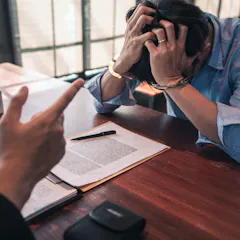
There are psychological techniques that are effective when it comes to getting people to yield information.
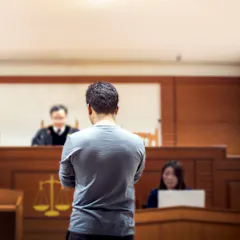
Facial expressions and gestures can impact the outcome of a trial that depends on the credibility of witnesses.
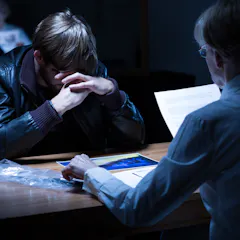
Most people on juries assume suspects only confess when they are guilty, and the consequences can be disastrous.

The European Court of Human Rights has rejected a call to reconsider whether interrogation techniques used in the 1970s against men interned in Northern Ireland amounted to torture.
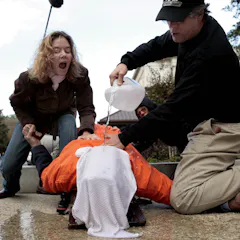
Psychologists have developed evidence-based interrogation methods that could be used as alternatives to torture.
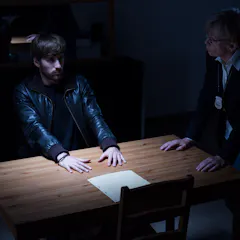
Innocent people do confess to terrible crimes they had nothing to do with. Psychologists are investigating factors that contribute to false confession – including how well-rested a suspect feels.
Top contributors
-

Professor of Psychology, University of Westminster
-
Associate Professor in Forensic Cognition and Miscarriages of Justice, Edinburgh Napier University
-
Professor of Criminal Justice Administration, California State University, Dominguez Hills
-
Postdoctoral Fellow in Psychology at the New School for Social Research, The New School
-
Distinguished Professor of Psychology and Social Behavior, University of California, Irvine
-
Professor of Intelligence Studies
-
Professeur adjoint, École de criminologie, Université de Montréal
-
Professor of Psychology, Michigan State University
-
Associate Professor of Psychology, Florida International University