
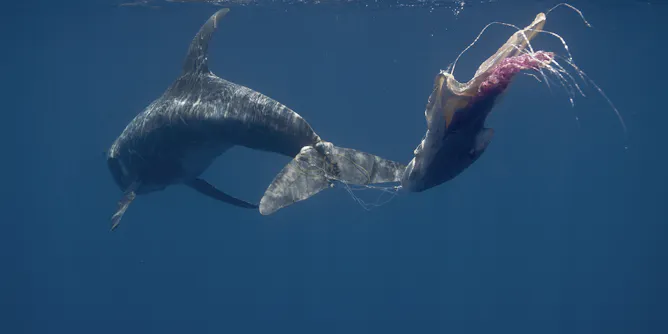
Entanglement is a major animal welfare issue for marine mammals. A successful rescue is not just whether an animal is cut free but whether it recovers from injuries.
Articles on International Whaling Commission
Displaying 1 - 20 of 24 articles
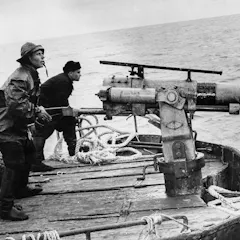
The Soviet Union was a latecomer to industrial whaling, but it slaughtered whales by the thousands once it started and radically under-reported its take to international monitors.
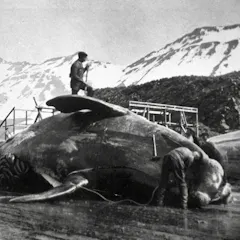
For 200 years, a small number of countries have exploited the marine wildlife of Antarctica, often with devastating impact on their populations.

Southern right wales have been hunted to near extinction. Now their genome has been sequenced to help biologists track their recovery and understand the impacts of climate change, past and future.

Icelandic whalers have killed more than 1,700 whales since a global ban was adopted in 1986 – up to 2019, when no hunts took place. Is Iceland quietly getting out of the business?

Protecting forests and wetlands, which absorb and store carbon, is one way to slow climate change. Scientists are proposing similar treatment for marine animals that help store carbon in the oceans.
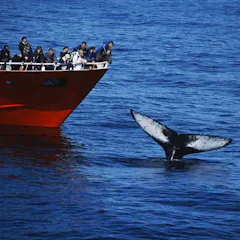
Iceland is set to resume commercial whaling in June after a two-year hiatus, arguing that the moratorium put in place by the international community was never intended to be an open-ended ban.
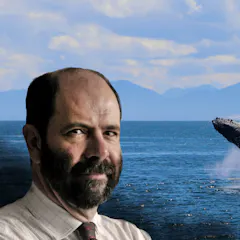
In this episode of Change Agents, Andrew Dodd speaks with Darren Kindleysides and Don Rothwell on how Australia won a case against Japan's whaling activities at the International Court of Justice.

Japan’s fleet is on its way to the Southern Ocean for more “scientific” whaling. But a new resolution pointing out the importance of whale poo could help remove Japan’s rationale for lethal research.
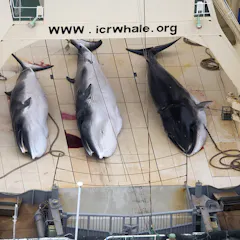
Australia’s new resolution will apply stricter monitoring to the special permits that allow some nations to continue whaling. But the new rules are non-binding, meaning countries are free to ignore them.
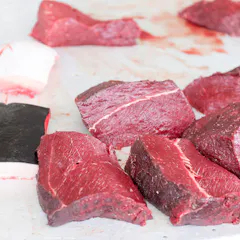
The clash between Australia and Japan over whaling is undermining science-based environmental law.
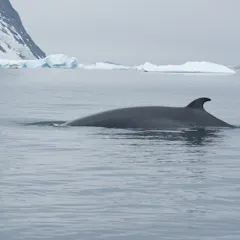
Japan’s whaling fleet will leave port today to resume whaling in the Southern Ocean as part of its new scientific program, NEWREP-A.
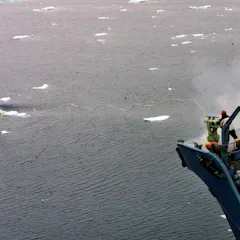
Japan has effectively removed any legal challenges to its controversial whaling program, revealing a flaw in international law.

Chalk it up as a rare conservation win: humpback whales have bounced back so strongly since the whaling era that there is no longer a need to include them on Australia’s official threatened species list.
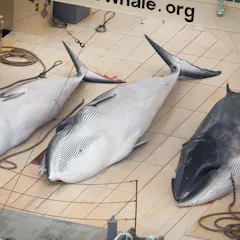
Japan’s proposed new program to kill whales for science has been rejected by an international expert panel.
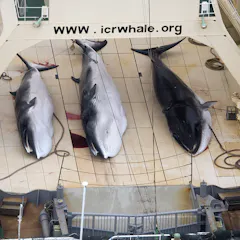
This week, Japan announced a research plan for its New Scientific Whale Research Program in the Antarctic Ocean, to replace previous programs. In March this year, Japan’s previous whaling program, JARPA…
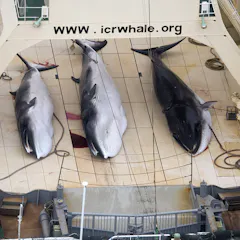
Japan is reportedly set to release plans to resume killing whales in the Southern Ocean in the 2015-16 season. It seems like a defiant move, coming just six months after the International Court of Justice…
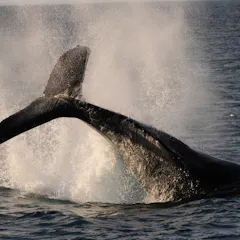
Centuries of over-exploitation of whales for their meat and blubber has seen populations of most species plummet. But with no small amount of irony, the tables have turned with research discovering that…
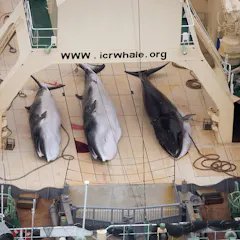
The International Court of Justice’s ruling this week that Japan’s Southern Ocean whaling program is not scientific does not represent an ultimate victory over whaling. The finer points of the court’s…
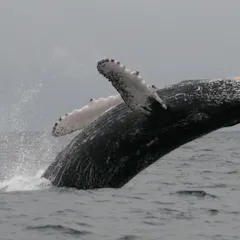
Japan’s Southern Ocean “scientific” whaling program is contrary to international law, the International Court of Justice found last night after a four week trial between Australia and Japan in June last…
Top contributors
-

Adjunct Professor, Institute for Marine and Antarctic Studies, University of Tasmania
-
Antarctic Law Researcher, Institute for Marine and Antarctic Studies and the Antarctic Climate and Ecosystems CRC, University of Tasmania
-
Adjunct Senior Lecturer, University of Tasmania
-
Professor, Cetacean Research Unit, Murdoch University, Murdoch University
-
Associate Professor of Leadership, Swinburne University of Technology
-
University of Sydney
-
Assistant Professor, Marine Conservation Ecology, Duke University
-
Director, Tas Law Reform Institue / Associate Professor, University of Tasmania, University of Tasmania
-
Professor of International Law, University of Sydney
-
Professor of Journalism, The University of Melbourne
-
Postdoctoral Researcher, Murdoch University
-
Adjunct Associate Professor, School of Law, University of the South Pacific and Adjunct Fellow, Australian Centre for Agriculture and Law, University of New England
-
Adjunct Professor, University of Sydney
-
Postdoctoral Research Associate, University of Liverpool
-
Rutherford Discovery Fellow, University of Auckland, Waipapa Taumata Rau