
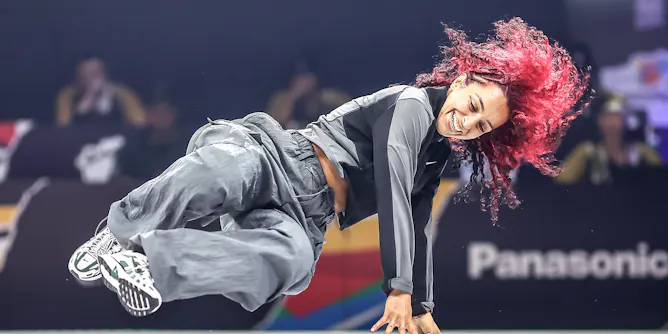
Sports keep evolving – and so must the Olympic Games. But can the inclusion of new events like breakdancing and kiteboarding also create a new generation of fans?
Articles on International Olympic Committee (IOC)
Displaying 21 - 40 of 147 articles

Despite the IOC’s optimistic rhetoric, environmental exploitation by host nations, and the suppression of opposition to such exploitation, have remained a troubling feature of the Olympic Games.
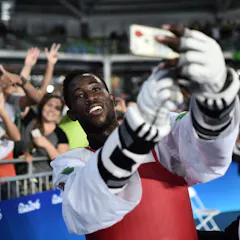
The International Olympic Committee has recognised that athletes use their social media accounts to build their personal brands.
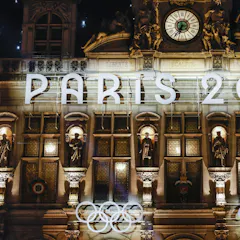
The International Olympic Committee has ruled politically-neutral individual athletes are eligible, but some nations aren’t happy about it.
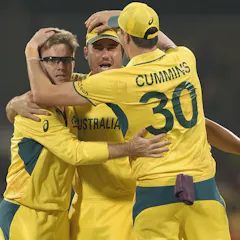
We now know sports that will make their Olympic Games debut in 2028. Here’s what that tells us about what might get the nod for Brisbane 2032.
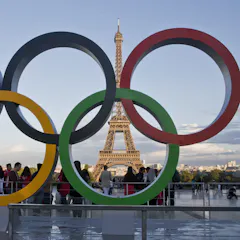
The IOC has an opportunity to disavow the violence and illegality of Russia’s invasion of Ukraine by extending the platform and status of refugee athletes to Russian and Belarusian athletes.
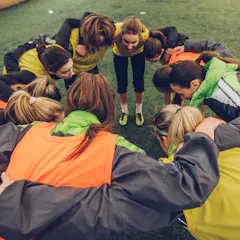
It remains to be seen how sports organisations implement and regulate transgender guidelines if some sporting bodies refuse to voluntarily adopt them.
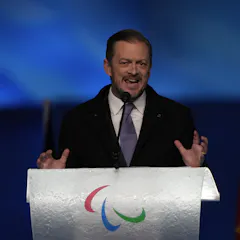
It’s time for organizations like the IPC to stop lamenting the intersection of sport and politics, and instead accept this well-established reality going forward.
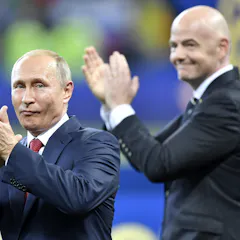
What FIFA’s leadership still fails to realise is banning Russia does not introduce politics into sports – it removes the stench of it.
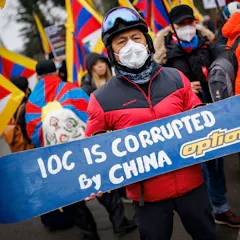
The International Olympic Committee oversees several humanitarian initiatives. But it avoids letting human rights concerns interfere with the Games, even in countries with rampant violations.
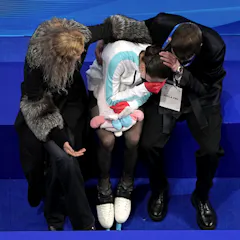
The well-being of Olympians is of secondary importance is secondary to pomp and profit.
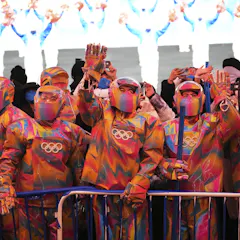
Few nations know how to politicize the Olympics as effectively as China does.
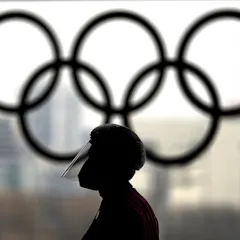
Can the Olympic industry survive the damage that calls for a Winter Olympics boycott are doing to its brand?
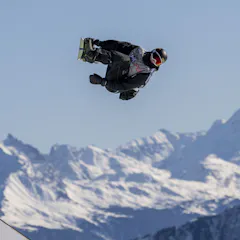
The mainstream embrace of snowboarding for its youthful audience and sponsorship riches also dented its once-alternative image – but a new generation of stars could change all that.
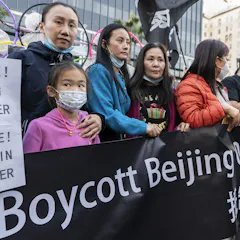
China has been unfazed by diplomatic boycotts by the west. In Beijing’s eyes, the Olympics still have broad support by many nations and, importantly, corporate sponsors.

The boycott is ambiguous and will undermine the value of sport in diplomacy.
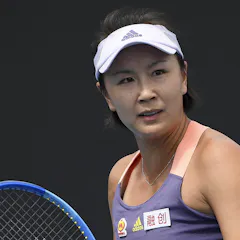
The disappearance of Peng further underlines the need for an international boycott of the 2022 Beijing Olympics. The CCP’s assaults on democracy activists deserve more than willful blindness.
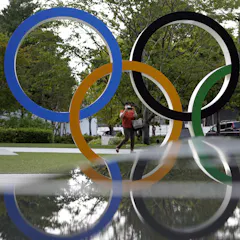
A new IOC framework aims to ensure everyone can practice sport safely and free from harassment, irrespective of their gender or sex-linked traits.
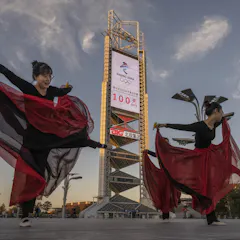
In the face of China’s repression and human rights abuses, a scholar asks whether cheerful media coverage of the Beijing Olympics in February 2022 signals complicity with Chinese propaganda.
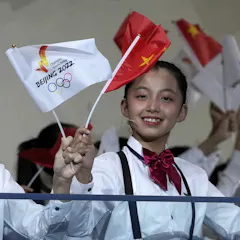
Olympians and Paralympians can uplift the voices of Celil’s family and supporters by calling for his release over the next four months. Academics, journalists and activists should join in solidarity.
Top contributors
-

Fellow, Saint Mary’s University
-
Professor in Sociology of Sport and Gender, University of Waikato
-
Professor of Sports Law, Melbourne Law School, The University of Melbourne
-
Professor Emerita of Sociology and Equity Studies in Education, University of Toronto
-
Professor of AfroEurasian Sport, EM Lyon Business School
-
Professor, School of Psychological and Social Sciences, University of Waikato
-
Senior Lecturer, Faculty of Health Sciences and Sport, University of Stirling
-
Honorary Professor, School of Kinesiology, Western University, London, Canada; Adjunct Fellow, Olympic Scholar and Co-Director of the Olympic and Paralympic Research Centre, Institute for Health and Sport, Victoria University
-
Senior Lecturer, Modern European History and Sports History, Macquarie University
-
Assistant Professor, School of Media, Toronto Metropolitan University
-
Associate Professor of Sport Management, University of Technology Sydney
-
Professor Emeritus of Kinesiology and Physical Education, University of Toronto
-
Associate Professor, Gordon S. Lang School of Business and Economics, University of Guelph
-
Professor of Sport Management, University of Florida
-
Professor of Sport Management, University of Stirling