

Nigeria’s Christian population grew by 25% to 93 million from 2010 to 2020. Today’s novels reflect its social complexity.
Articles on Insecurity
Displaying 21 - 40 of 160 articles
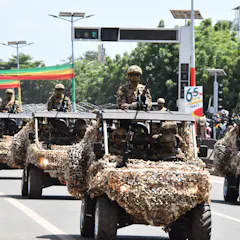
Bamako is under immense pressure, but not under an effective siege.
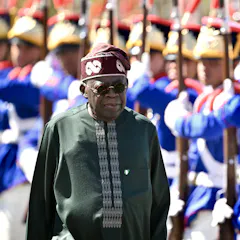
Nigeria needs a decentralised and coordinated security system.
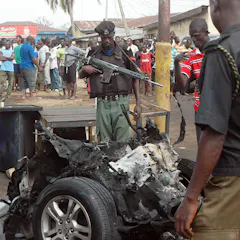
Given its strength and capabilities, the extremist group JNIM poses an existential threat to Nigeria.
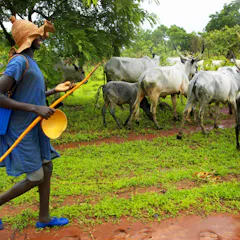
Conflict over land, pastoral mobility and weak governance often overlap with religious fault lines, but can’t be reduced to them.

Despite the number of fatalities from terrorism in Nigeria, it is difficult to delineate the killings based on religious affiliations.

The blockade of southern Mali is designed to weaken the military government, incite the public and possibly consolidate control.
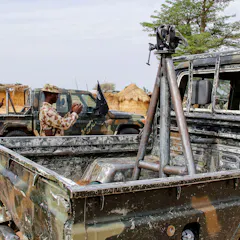
The governments and militaries of the Lake Chad region should prioritise JAS as much as ISWAP in their counter-terrorism efforts.
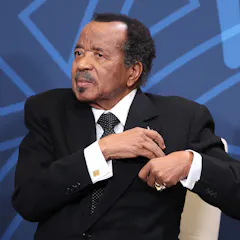
Why does Paul Biya remain at the centre of Cameroon’s political ecosystem?
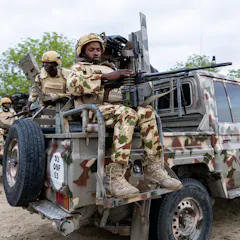
For Nigeria, the arrest of two major terrorist leaders is an important strategic victory but security needs to brace for likely retaliation.
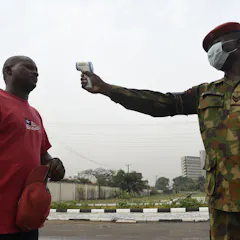
Nigeria’s reliance on soldiers for civilian enforcement comes with serious costs, including human rights abuses, corruption and a rise in violent crimes.
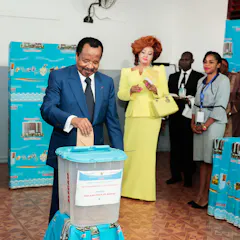
Paul Biya’s 42-year reign provided political stability. A new term of office or possible transition risks instability, including more armed conflict.

The fragile state of Nigeria’s police contributes to the persistence of insecurity, particularly banditry, in the northern region.

Ghana stands out in west Africa as a nation that hasn’t experienced terrorist attacks. Its proactive, multi-faceted strategies offer a blueprint for neighbours.
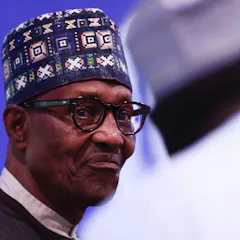
Former president Muhammadu Buhari’s administration will be remembered for its promises and failures.

China’s military assistance to Mali could be damaging.

Violence by armed groups is dangerously disrupting the conservation and protection of the environment.
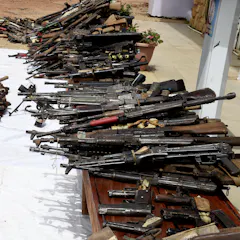
Experts provide insights into the various actors involved in Nigeria’s security challenge, their motivation and why efforts to rein them in haven’t quite succeeded.

Child soldiers are victims, not villains. This is why children in conflict zones must be protected.
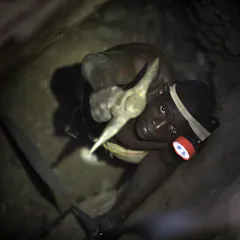
Elite competition for dominance over illegal mining locations leads to funding of armed bandits, and the use of violence against civilians in north-west Nigeria.
Top contributors
-

Associate professor in Politics and International Relations, Leeds Beckett University
-
Research Fellow, Obafemi Awolowo University, Regional Coordinator, Institute for Security Studies
-
Reader (Associate Professor) Department of Political Science, Federal University of Lafia, Nigeria, Federal University Lafia
-
Lecturer in Political Economy of Violence, Conflict and Development, SOAS, University of London
-
Researcher, Centre for Peace and Security Studies, Modibbo Adama University of Technology
-
Leverhulme Early Career Research Fellow, Aston University
-
Senior Lecturer, Department of Urban and Regional Planning, Olabisi Onabanjo University
-
Professor of Sociology (Criminology, Victimology and Security Studies), University of Ibadan
-
Lecturer, University of Northampton
-
Professor of Economics & Business, Allegheny College
-
Associate Researcher, Arnold Bergstraesser Institute
-
Senior Lecturer in Criminology and Policing, Teesside University
-
Professor of Political Science, University of Nigeria
-
University of Pretoria
-
Professor, Obafemi Awolowo University