
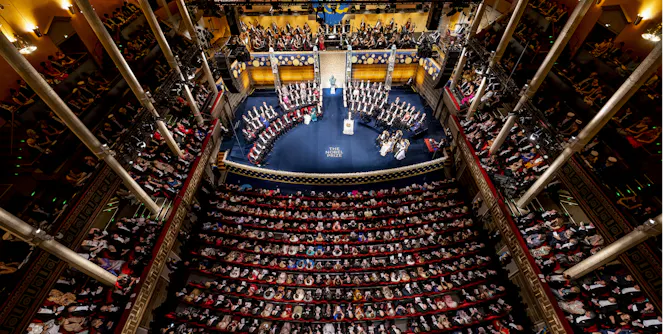
With 3% of science Nobels going to women and zero going to Black people, these awards are an extreme example of how certain demographics are underrepresented in STEM fields.
Articles on Innovation and Invention
Displaying 41 - 60 of 92 articles

Researchers are developing tattoo inks that do more than make pretty colors. Some can sense chemicals, temperature and UV radiation, setting the stage for tattoos that diagnose health problems.
Governments must embrace policies that promote sharing and collective invention to create and distribute a vaccine quickly.

Many great innovators have personality traits in common. Comfort with uncertainty is critical, but passion, curiosity and a number of other learnable skills can prime you for an innovate idea.
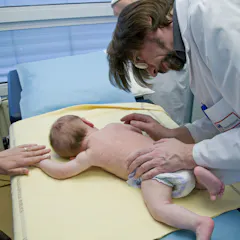
Can a naturally occurring skin microbe help millions who suffer from eczema?

UV disinfection is a proven means of killing pathogens like the SARS-CoV-2 virus, but it’s not risk-free.

Lessons from history make clear that the federal government can spur medical innovation in a crisis, including this pandemic. Providing certainty and clarity is critical.
The immune system is trained to destroy viruses, even when they carry therapeutic cargo as is the case in gene therapy. Now researchers have figured out how to dial down the immune response.

While providing access to digital technology is important, it won’t even the digital playing field. If teachers can embrace all students’ digital interests as opportunities for learning, it would help.
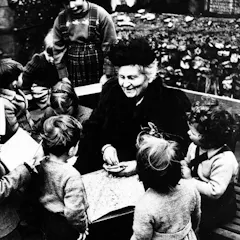
The innovative educator studied engineering and practiced medicine before devoting her life to spreading a new educational philosophy.

Diversifying leadership can change organizational cultures, which removes barriers to women in the tech industry and academia.
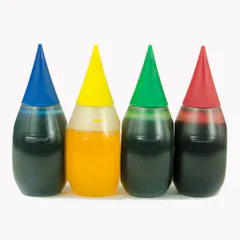
Aerosols of some FDA-approved food coloring could deactivate airborne viruses.
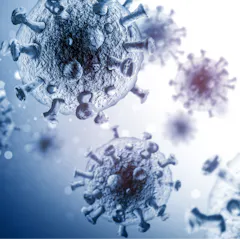
Miniaturized laboratory equipment is making it easier to identify airborne pathogens in the field, but there’s still work ahead to be able to instantly determine if a room is safe or contaminated.
For starters, why not have Hollywood team up with teachers to make education more entertaining?
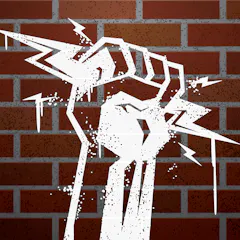
Bricks turn out to be useful for storing electricity thanks to their porousness and red pigment.

Fitness information like resting heart rate collected by wearable devices can’t diagnose diseases, but it can signal when something is wrong. That can be enough to prompt a COVID-19 test.
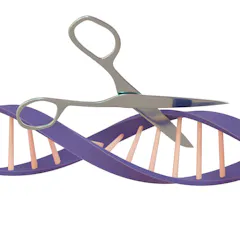
A person dies of opioid overdose once every 13 minutes in the US. A researcher proposes a way using existing technology to remove the opioid target in people to prevent overdoses.
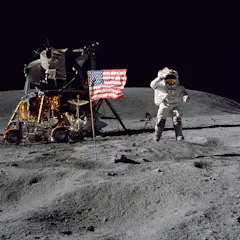
A systems engineering expert applies the same method NASA’s Project Apollo engineers used to offer a systematic approach to deciding on school reopening at a local level.
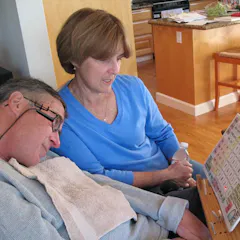
Amyotrophic lateral sclerosis, Lou Gehrig’s disease, is a crippling, progressive neurodegenerative disease for which there is no cure. Now it seems that a diabetes drug may help some cases.
Scientists have developed and tested a new anti-clotting drug in mice that shows promise for treating heart attacks and stroke. It may also prove useful for COVID-19.
Top contributors
-

Professor and Director of Quantitative Biosciences Institute & Senior Investigator at the Gladstone Institutes, University of California, San Francisco
-
Professor of Chemistry, Connecticut College
-
John M. Thompson Chair in Information Technology and Innovation and Professor, Western University
-
Professor of Biomedical Engineering, University at Buffalo
-
Professor of Law, Boston University
-
Founder and CTO, Adaptive Machines LLC, Vanderbilt University
-
Professor of Environmental Engineering and the Mortenson Professor in Sustainable Development, University of Colorado Boulder
-
Professor of Computer Science, New York University
-
University Distinguished Professor of Astronomy, University of Arizona
-
Executive Director of Texas Engineering Executive Education, The University of Texas at Austin
-
Associate Professor in Law, UNSW
-
Statistical Consultant, The University of Melbourne
-
Professor of Pediatrics and Cellular and Molecular Medicine, University of California, San Diego
-
Research Scientist and Adjunct Professor, University of Denver
-
Professor of Public Policy, George Mason University