

It’s not a straight path from education to making a living, and universities should prepare graduates to find their way.
Articles on Informal sector work
Displaying all articles
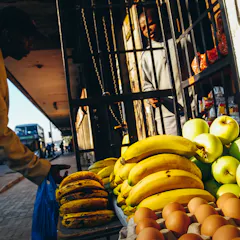
It’s time African governments supported the development of online platforms designed to support local people in the informal sector.
If the best people management practices of the formal economy were to be deployed in the informal economy, new avenues of stimulating economic and life empowerment may be opened.
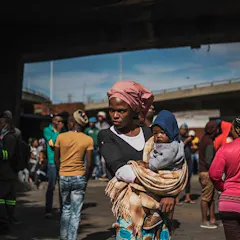
Informal workers, in particular women, took a big hit from the COVID-19 lockdown measures. A multi-faceted support package, informed by the gendered nature of work, is urgently called for.
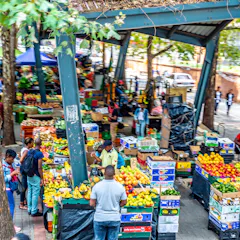
Several groups of people are at high risk of hardship, especially those who have effectively become unemployed because of the lockdown.
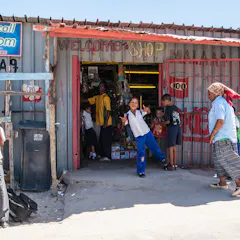
Informal retailers that dot South Africa’s townships have changed dramatically, but at great cost - avoidance of regulation and exploitation of employees.
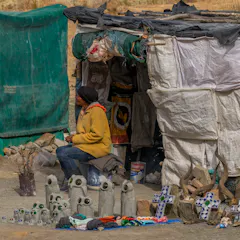
The informal sector represents an opportunity to improve the lives of a large part of the workforce. Government should desist from harming livelihoods and broaden the scope of policy measures.
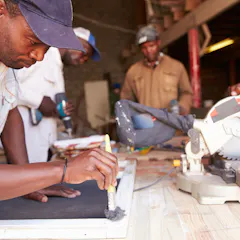
Little is known about how many people transition between the informal and formal sectors, a phenomenon called “churning”.
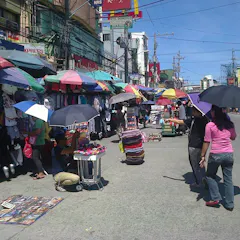
Street vendors are the most visible of the people who work in the informal sector – up to half the urban workforce in cities like Manila – but whose needs and rights receive no official recognition.
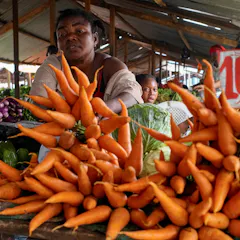
Graft is common in the way that markets in Kinshasa are run.
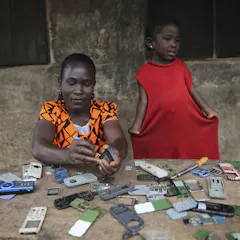
The extent to which mobile phones can support and sustain real improvement in young lives is depressingly finite unless significant interventions occur.
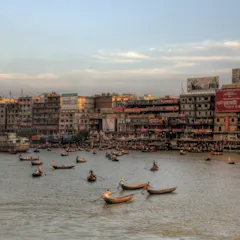
Bringing significant benefits to an emergent middle class, Dhaka’s cultural, economic, environmental and political landscapes are being rapidly but unevenly transformed.

Only 28% of working women across the globe are fully protected by maternity laws that provide for time off work with full pay.
Top contributors
-

Associate Professor, Rhodes University
-
Senior researcher at the African Centre for Cities, University of Cape Town
-
Researcher, University of Sydney
-
Associate researcher, University of Antwerp
-
Senior Research Fellow, Digital Media, Western Sydney University
-
Senior Research Scientist, African Population and Health Research Center
-
Senior Research Fellow, Department of Anthropology, Durham University
-
Institute Associate, Institute for Culture and Society, Western Sydney University
-
Prof, University of Pretoria
-
Director, Institute for Poverty, Land and Agrarian Studies, University of the Western Cape
-
Research Fellow, Institute of Development Studies
-
Professor, Economics, University of the Western Cape
-
Lecturer, University of the Western Cape
-
Research Fellow – Informal Urbanism (InfUr-) Hub, The University of Melbourne
-
Senior Lecturer in Leadership and Organisational Behaviour at the Business School, Stellenbosch University