
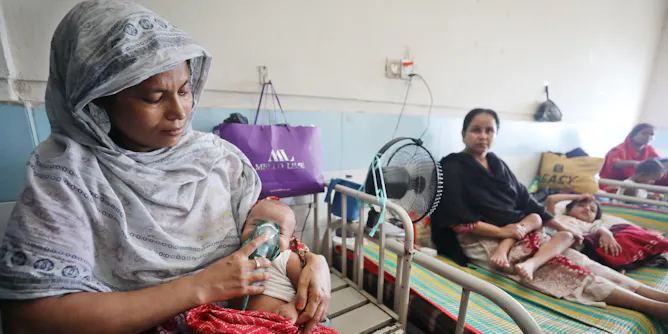
Measles is making a comeback around the world. In places with low vaccination rates, a few cases can quickly become an epidemic.
Articles on Infectious diseases
Displaying 21 - 40 of 674 articles
Amid multiple disease outbreaks and intense political pressures, Director Erica Schwartz will need to defend scientific independence.
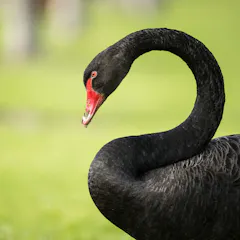
Even with bird flu circulating in Australia, the risk to humans is low. But some groups are still at increased risk.

Warmer ocean waters are fueling the spread of the bacteria Vibrio vulnificus. Infections can lead to a rare but fatal condition called necrotizing fasciitis.
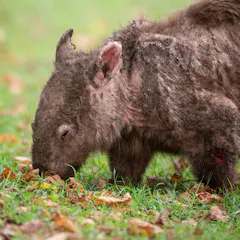
The tiny scabies mite burrows beneath the skin of many animals, including Australia’s bare-nosed wombat.
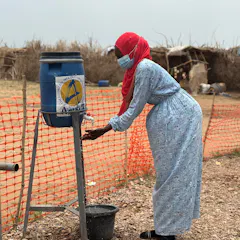
While cholera launched modern epidemiology and has nearly disappeared in many countries, the disease never went away. It has instead retreated to the places least equipped to fight it.
Explosive diarrhea has been spreading across the US, and the parasite that causes the disease has already sickened thousands – and counting.
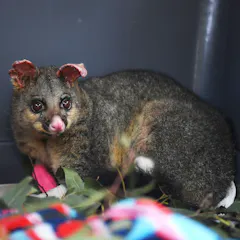
Helping distressed wildlife without seeking advice may sometimes do more harm than good – as two experts explain.

Thailand has built a connected healthcare system to track people’s health even in rural villages.

The World Cup brought many visitors to Canada, which put public health authorities on alert for contagious illnesses. It’s crucial that Canada remain committed to infectious disease preparedness.

One in three people worldwide carry a brain-dwelling parasite. Should that keep us awake at night? And are you at risk if you don’t have a cat?
By interfering with how communities collect data and how researchers access it, the CDC risks undermining the hard-won trust needed for effective public health.
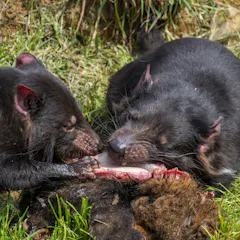
Animals that feed on infected carcasses could be accelerating the spread of the H5N1 strain.

Scientists discover new viruses every year. A catalogue of the riskiest ones could help us spot the next pandemic before it takes hold.
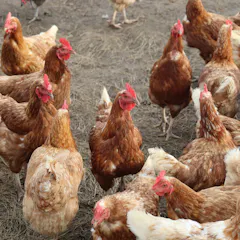
The poultry industry is on high alert. But authorities have had years to prepare for this moment and plans are being put in place.
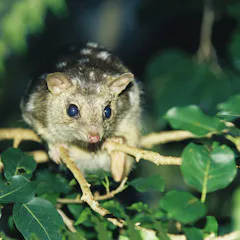
The arrival of the H5N1 strain may threaten our most vulnerable species.

Hantavirus cruise ship passengers have left Perth quarantine. But how might quarantine affect them? History has some answers.
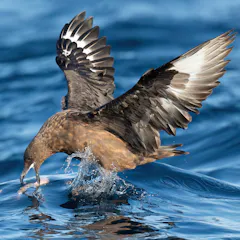
An ecologist explains how Australia can curb the spread of the H5N1 strain.

The source was a newly discovered bacterium called Legionella pneumophila that can thrive in household pipes, whirlpools, cooling units and outdoor fountains.
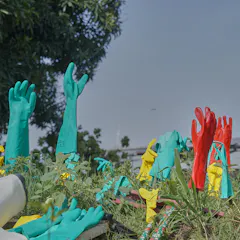
Distrust in health care during infectious disease outbreaks can have devastating consequences. Here’s what we can do about it.
Top contributors
-

Professor of Global Biosecurity, NHMRC L3 Research Fellow, Head, Biosecurity Program, Kirby Institute, UNSW
-
Professor of Infectious Diseases, Monash University
-
Professor of Microbiology and Immunology, Indiana University
-
Associate Professor, Epidemiology, Deakin University
-
Regents' Professor & Chair, Medical Laboratory Science, Texas State University
-
Professor of Infectious Diseases and Global Health, University of Sydney
-
Paediatrician & Infectious Diseases Physician; Senior Lecturer & NHMRC Fellow, Faculty of Medicine, University of Sydney
-
Professor, Discipline of Paediatrics and Child Health, University of Sydney
-
Paediatrician and Infectious Diseases Specialist; Clinical Researcher, University of Sydney
-
Adjunct Associate Professor, Faculty of Medicine
-
Senior Lecturer in Microbiology, Western Sydney University
-
John Curtin Distinguished Professor of Health Science, Curtin University
-
Deputy Director, WHO Collaborating Centre for Reference and Research on Influenza
-
Associate Professor of Medicine, Infectious Diseases Physician, Australian National University
-
Professor of Medicine, University of Virginia