
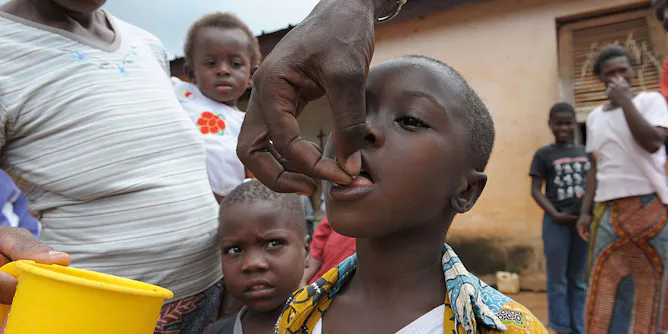
Ivermectin has been a lifesaving drug for people with parasitic infections like river blindness and strongyloidiasis. But taking it for COVID-19 may result in the opposite effect.
Articles on Infectious diseases
Displaying 321 - 340 of 675 articles
Recent computer modeling shows the upcoming flu season might see a surge in cases. Coupled with COVID-19’s continued threat, doctors are again urging Americans to get their shots.

Since the coronavirus first began spreading around the globe, people have debated how effective masks are at preventing COVID-19. A year and a half in, what does the evidence show?
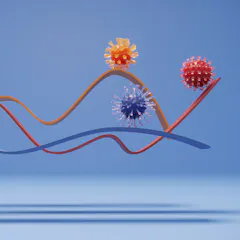
When the coronavirus copies itself, there is a chance its RNA will mutate. But new variants must jump from one host to another, and the more infections there are, the better chance this will happen.
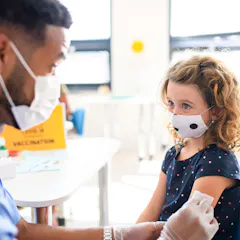
An infectious disease doctor explains the science behind COVID-19 vaccines at a level that children – and adults – of all ages can understand.
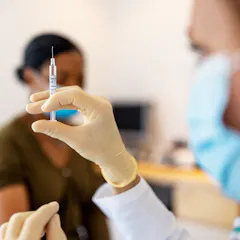
A 2015 paper on chicken virus evolution is being taken out of context and used to fuel fears about COVID-19 vaccines. Its lead author aims to clarify the science in hopes of saving lives.

New research shows correctional officers are vectors of infection, driving COVID-19 rates both inside prisons and in their communities.
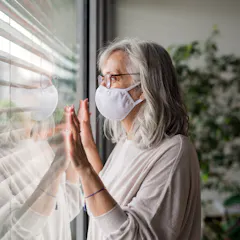
Researchers are piecing together clues to better understand the puzzling array of symptoms in those who never seem to fully recover from COVID-19.

Different groups of researchers give different predictions. And it’s easy to be bewildered, especially if you’re in lockdown and looking for answers. Here’s what to make of it all.

COVID has shown us we can develop a range of safe and effective vaccines. Now we need to do the same for TB.

Policymakers need to make sense of the data so as to predict and manage what’s happening. To address this need, we developed a visualisation tool to track and predict country-level COVID-19 cases.
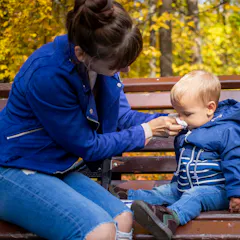
It’s still reasonably easy to catch a cold even during lockdown.
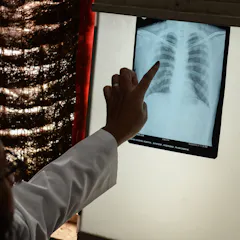
BCG remains the only widely available vaccine for TB. Yet the development of a COVID-19 vaccine over the last year shows that there is capacity to rapidly create new vaccines.

The microbiologist who directs the National Emerging Infectious Diseases Laboratories at Boston University explains all the biosafety precautions in place that help him feel safer in the lab than out.
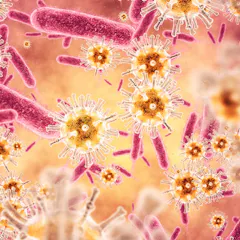
Scientists get up close and personal with deadly pathogens to give doctors the tools they need to treat people sickened by germs. The key is keeping the researchers – and everyone around them – safe.
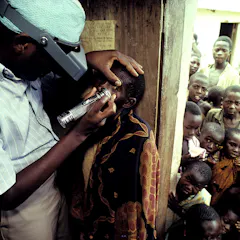
The Gambia’s success in eliminating trachoma means that resources previously allocated to combating the disease can now be reallocated to other public health conditions
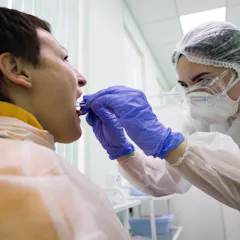
By merging genomics with classical epidemiology, researchers are able to predict new disease outbreaks based on which viral variants are on the rise.
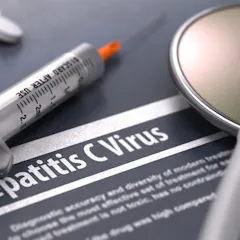
Direct-acting antivirals have mostly been used in countries with high incomes. These drugs would be effective against most hepatitis C strains. which are primarily low-income countries.

The US lags in testing coronavirus samples from COVID-19 patients, which can help track the spread of the virus and the emergence of new variants. But labs are ramping up this crucial surveillance.
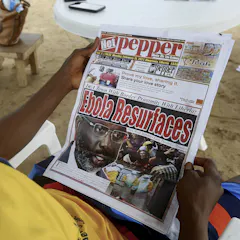
Ebola seems to be able to lay dormant in people for many years before causing disease again.
Top contributors
-

Professor of Global Biosecurity, NHMRC L3 Research Fellow, Head, Biosecurity Program, Kirby Institute, UNSW
-
Professor of Infectious Diseases, Monash University
-
Professor of Microbiology and Immunology, Indiana University
-
Associate Professor, Epidemiology, Deakin University
-
Regents' Professor & Chair, Medical Laboratory Science, Texas State University
-
Professor of Infectious Diseases and Global Health, University of Sydney
-
Paediatrician & Infectious Diseases Physician; Senior Lecturer & NHMRC Fellow, Faculty of Medicine, University of Sydney
-
Professor, Discipline of Paediatrics and Child Health, University of Sydney
-
Paediatrician and Infectious Diseases Specialist; Clinical Researcher, University of Sydney
-
Adjunct Associate Professor, Faculty of Medicine
-
Senior Lecturer in Microbiology, Western Sydney University
-
John Curtin Distinguished Professor of Health Science, Curtin University
-
Deputy Director, WHO Collaborating Centre for Reference and Research on Influenza
-
Associate Professor of Medicine, Infectious Diseases Physician, Australian National University
-
Professor of Medicine, University of Virginia