

Time and information is of the essence when tackling infectious diseases across countries and continents.
Articles on Infectious diseases
Displaying 241 - 260 of 674 articles
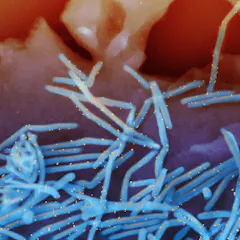
The first vaccine against respiratory syncytial virus is 83% effective.

Museum archives hold biological specimens that have been collected over years or even decades. Modern molecular analysis of these collections can reveal information about pathogens and their spread.
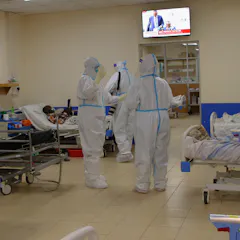
A new global dataset shows there is no clear global increase of infectious disease outbreaks over time. And it can suggest which countries would most likely be affected by an outbreak.

COVID-19 is the third-leading cause of death in Canada, but it’s older people who are dying. That we accept this and carry on as if the pandemic is over reveals our ageism: We don’t value older people.
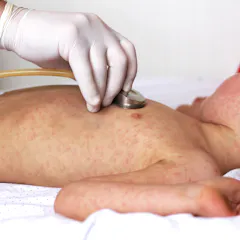
Measles is an extremely contagious disease but, thanks to immunisation, is now rare in Australia.

One in three infants is not immunised against pertussis. For Māori babies, more than half are at risk from the potentially deadly infection. But there are relatively simple things we can do.
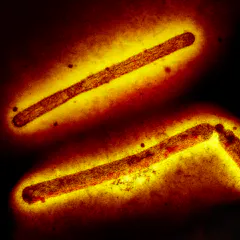
Avian influenza — commonly known as ‘bird flu’ — is infecting domestic and wild birds in Canada and around the world.

The pandemic spurred the diagnostics industry to consider aspects like scale, affordability, speed and portability of tests.
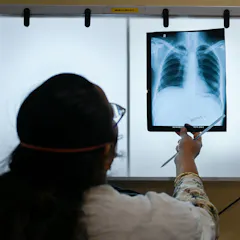
Less than half of the children aged 0-14 who have TB are diagnosed – so they never even start treatment.

We may have an autumn surge in flu cases. So best start planning for your flu shot soon.
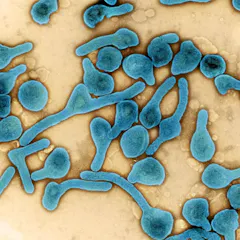
The Marburg virus, a close cousin of Ebola, currently has no approved treatments or vaccines to protect against it.

Floods are often followed by waves of diseases because pathogens shed by animals can survive in flood waters for days, raising the risk of infection for humans.

Using a mathematical model, researchers found that good hygiene can reduce the harmful effects of antibiotic use.

Here’s why it’s taken so long to develop a vaccine for respiratory syncytial virus and what we can expect next.

A biologist who studies how viruses spread from animals to people explains the process of spillover and the risks posed by the new bird flu that has spread across the globe.

There has been an epidemic outbreak of Marburg virus in Equatorial Guinea for the first time. Here’s what you need to know about the virus, and how it spreads.

Dangerous fungal infections are on the rise globally. But we have few drugs that work and no prospect of anti-fungal vaccines any time soon.

The negative effects of conflict on human capital – particularly nutrition, health and education – are larger than commonly thought.

Lab testing provides doctors with essential information to help them diagnose and treat disease. Here’s what happens behind the scenes after you roll up your sleeve for a blood draw.
Top contributors
-

Professor of Global Biosecurity, NHMRC L3 Research Fellow, Head, Biosecurity Program, Kirby Institute, UNSW
-
Professor of Infectious Diseases, Monash University
-
Professor of Microbiology and Immunology, Indiana University
-
Associate Professor, Epidemiology, Deakin University
-
Regents' Professor & Chair, Medical Laboratory Science, Texas State University
-
Professor of Infectious Diseases and Global Health, University of Sydney
-
Paediatrician & Infectious Diseases Physician; Senior Lecturer & NHMRC Fellow, Faculty of Medicine, University of Sydney
-
Professor, Discipline of Paediatrics and Child Health, University of Sydney
-
Paediatrician and Infectious Diseases Specialist; Clinical Researcher, University of Sydney
-
Adjunct Associate Professor, Faculty of Medicine
-
Senior Lecturer in Microbiology, Western Sydney University
-
John Curtin Distinguished Professor of Health Science, Curtin University
-
Deputy Director, WHO Collaborating Centre for Reference and Research on Influenza
-
Associate Professor of Medicine, Infectious Diseases Physician, Australian National University
-
Professor of Medicine, University of Virginia