
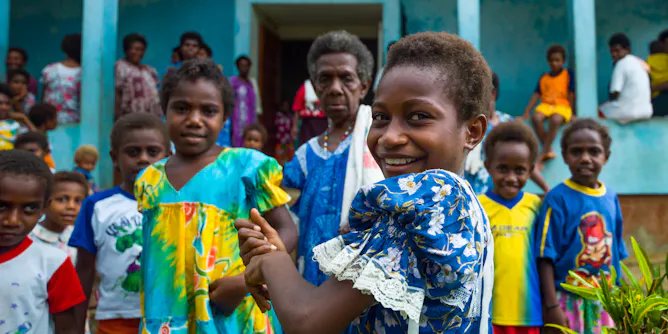
Indigenous languages around the world are declining at a rapid rate, but linguists can help language revival by working with communities of native speakers.
Articles on Indigenous languages
Displaying 41 - 60 of 83 articles
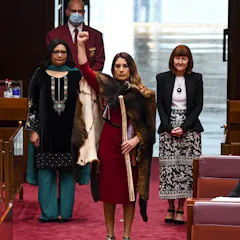
Pre-Invasion, message sticks were sent between distant communities to maintain diplomatic relations. They demanded acknowledgement and mutual respect.
Strong language and culture is listed among the fresh Closing the Gap targets. But, as the latest research on speakers and learners shows, language is fundamental to well-being across the board.
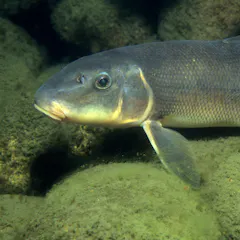
Children in an Oji-Cree northern First Nation are learning traditional teachings about ‘Namebin’ (suckers) and working on literacy skills at the same time through a community literacy project.

A free, open-access repository of multilingual children’s stories is one response to the United Nations’ urgent call to promote equitable education on the International Day of Education, January 24.

Maitland Lutheran School, of 240 students in rural South Australia, found a way to teach children programming code and an old Aboriginal language. The answer was Pink, the robot.
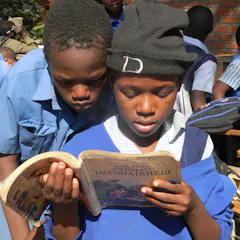
The International Year of Indigenous Languages serves as a good impetus to start implementing policies that prioritises Africa’s own languages.

Usually, a minor language will adopt words from a dominant language, but NZ English bucks this trend. It has been borrowing a growing number of Māori words, not always to add meaning but to mark identity.
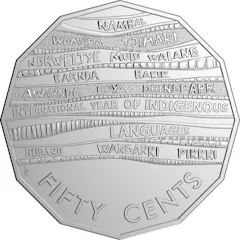
A new 50 cent coin recognises the diversity of Australian Indigenous languages.

Diversity of world’s sign languages tells us much about how we communicate.
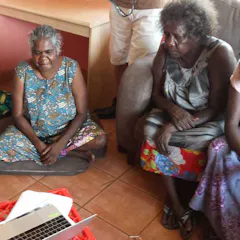
In 60 years’ time, only 13 of Australia’s Indigenous languages will be left, unless something is done to encourage children to keep speaking their language.
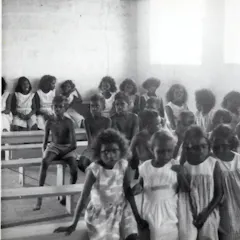
Australia was one of the most linguistically diverse places in the world but today, few people speak an Australian language.

Music
The Conversation67.8 MB (download)
Today, we're hearing about a researcher who records birdsong, how tech changes music and why song might help address Indigenous language loss.
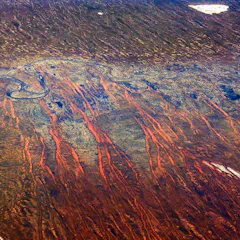
The origin of around 300 of Australia’s Aboriginal languages lies in Queensland, about 6,000 years ago.

The combination of knowledge and communication, along with a few other fundamental conditions such as liberty and respect , leads to social, cultural and technological development.

The production of fake First Nations art is the tip of the iceberg when it comes to cultural appropriation. From ‘didge therapy’ to the overuse of words like ‘deadly’ here’s a (subjective) guide to what to avoid.
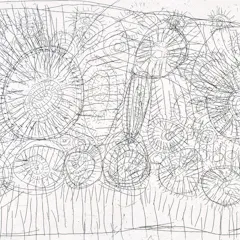
The theme of this year’s NAIDOC week is “Our Languages Matter”. Aboriginal languages under threat across Australia. Read a Warlpiri introduction to Dreamtime and The Dreaming.
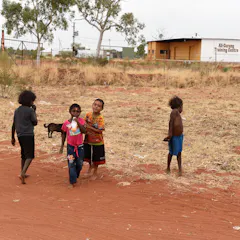
The census mostly delivered a good news story on Indigenous Australian outcomes, but it is unclear to what extent this correlates to improved lives for Indigenous families.
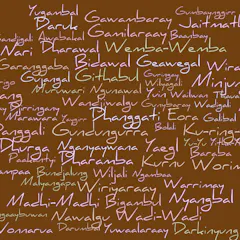
The government’s plan to prioritise the revival of Indigenous languages in New South Wales is a welcome first step. Truly achieving it will take several more.

A beautiful interactive SBS online documentary puts the spotlight on Marra, an Indigenous language spoken fluently by just three people.
Top contributors
-

Professor of Linguistics, The University of Queensland
-
Professor emerita, Australian National University
-
Professor of Linguistics, Yale University
-
Professor of Education, Charles Darwin University
-
PhD Candidate, Faculty of Law, L’Université d’Ottawa/University of Ottawa
-
Professor of Elementary Literacy, Ontario Institute for Studies in Education, Department of Curriculum, Teaching and Learning, University of Toronto
-
Professor and Canada Research Chair in Language Interactions, University of Manitoba
-
Associate Professor and Reader, ARC Centre of Excellence for the Dynamics of Language, Research Unit for Indigenous Language, School of Languages and Linguistics, The University of Melbourne
-
Professor, Charles Darwin University
-
ARC DECRA Fellow, Australian National University
-
Professor of Economics and Public Policy, ANU College of Arts and Social Sciences, Australian National University
-
Associate professor, University of the Western Cape
-
Honorary Senior Lecturer, Australian National University
-
Senior Fellow, National Centre for Indigenous Studies, Australian National University
-
Project manager - Living Archive of Aboriginal Languages, Charles Darwin University