

A new generation of First Nations artists is helping keep Indigenous languages alive through song.
Articles on Aboriginal languages
Displaying 1 - 20 of 23 articles
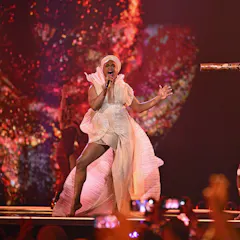
While they may have fallen short of Eurovision glory, Electric Fields still blazed a trail for First Nations representation.
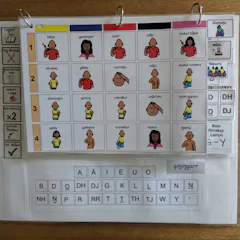
Degenerative illness Machado-Joseph disease, which affects speech, is prevalent among First Nations people in northern Australia. Researchers have now created Yolŋu communication systems to help mob.
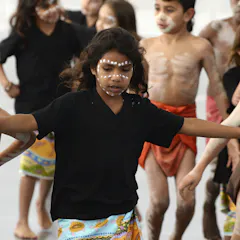
Around the world, one Indigenous language is lost every one or two weeks. Almost 10% of the world’s critically endangered languages are in Australia.

Contact languages are widely spoken by many First Nations children. These languages must be recognised and valued in the classroom to better meet students’ learning needs.
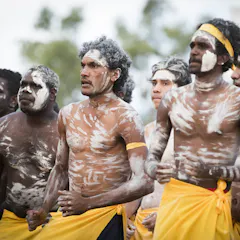
People still find ways to express old ways of speaking in a new language, so that language does not fundamentally alter their cultural identity.
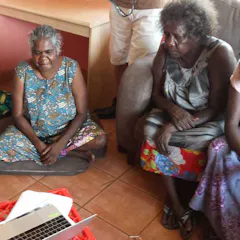
In 60 years’ time, only 13 of Australia’s Indigenous languages will be left, unless something is done to encourage children to keep speaking their language.
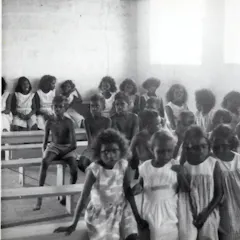
Australia was one of the most linguistically diverse places in the world but today, few people speak an Australian language.
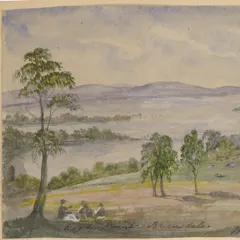
Aboriginal songs found in the notebooks of a Victorian anthropologist shed light on the mystery of a ‘captive white woman’ that has been debated for generations.
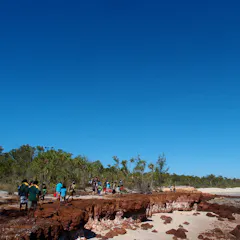
At the Maningrida football Grand Final in 2015, commentary was recorded in nine languages. But elsewhere, the threat of language loss poses a serious risk to our nation’s cultural inheritance.
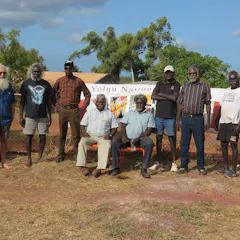
The NT is the only jurisdiction in Australia mandating the use of English in the Legislative Assembly – despite the fact 42% of the population doesn’t speak English at home.
Music
The Conversation67.8 MB (download)
Today, we're hearing about a researcher who records birdsong, how tech changes music and why song might help address Indigenous language loss.
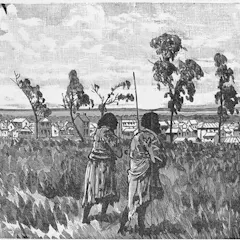
Ngár-go (Fitzroy), Quo-yung (Richmond), Yálla-birr-ang (Collingwood), and Bulleke-bek (Brunswick), are just some of the Woiwurrung names uncovered in the notebooks of a 19th century anthropologist.
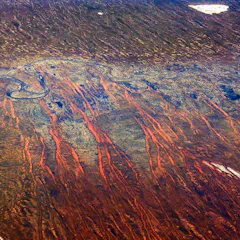
The origin of around 300 of Australia’s Aboriginal languages lies in Queensland, about 6,000 years ago.
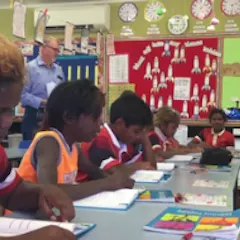
Research shows many concepts are best learned in the language that the learner understands.
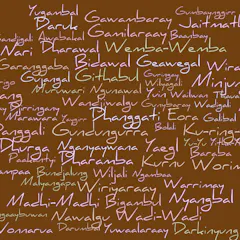
The government’s plan to prioritise the revival of Indigenous languages in New South Wales is a welcome first step. Truly achieving it will take several more.

New research investigates how people sequentially add new color terms to languages over time – and the results hold surprises about assumptions linguists have made for 40 years.

A beautiful interactive SBS online documentary puts the spotlight on Marra, an Indigenous language spoken fluently by just three people.
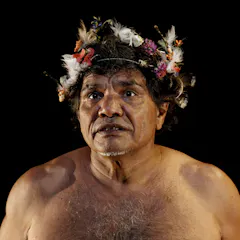
It’s spoken by up to 20,000 people, but most Australians have never heard of Kriol. The creole of North Australia has evolved into a distinct language – but is it helping or killing Indigenous dialects?
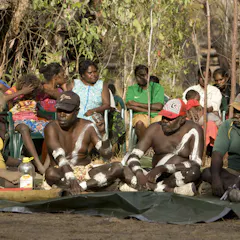
From 2016, students will be able to study Aboriginal languages in high schools in New South Wales – but a clause in the design of the course means grades will not contribute towards ATARs.
Top contributors
-

Professor emerita, Australian National University
-
Senior Lecturer in Education/Applied Linguistics, Curtin University
-
Senior Lecturer, Linguistics, Monash University
-
DECRA Senior Research Fellow, Cultural Heritage and Museum Studies, Deakin University
-
Senior Lecturer, Department of Languages and Linguistics, La Trobe University
-
Adjunct associate, Australian National University
-
Professor of Linguistics, Yale University
-
Lecturer in Law, Charles Darwin University
-
Professor of Linguistics, The University of Queensland
-
Lecturer, School of Humanities, Griffith University
-
ARC DECRA Research Fellow, Australian National University
-
Associate Professor of History, Deakin University
-
Research Affiliate, Sydney Conservatorium of Music, University of Sydney
-
Associate Professor in Language, Literacy and TESL, University of Canberra
-
Professor of Music, The University of Western Australia