
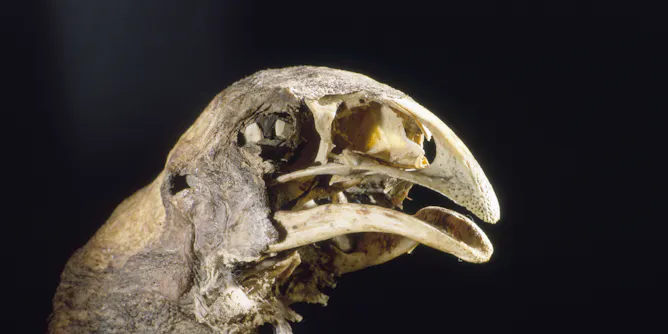
Debates over responsibility for past species loss generate heat but little light. Moving forward requires context, evidence and Indigenous knowledge.
Articles on Indigenous knowledges
Displaying all articles

Two Goliath beetle species are in grave danger because cocoa farming has wiped out their forests and they’re being sold on the international dry insect market.
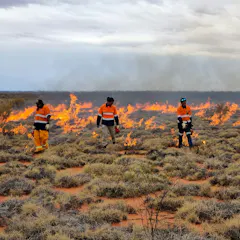
Australia has just listed Indigenous knowledge among its science priorities – after First Nations knowledge has long gone uncredited in Western ‘discoveries’, such as life-changing drugs.
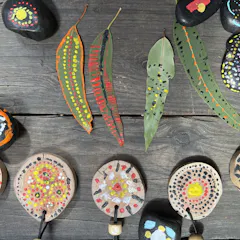
Non-Indigenous teachers are often hesitant to teach First Nations content for fear of making a mistake. Our new research shows how they can overcome these concerns.
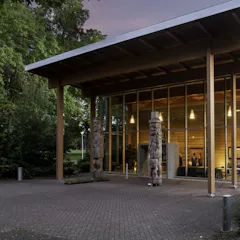
It’s possible to work with restricted resources to design and implement creative initiatives to serve the particular needs of Indigenous students at university.

‘Indigenization’ across departments implies the need for consultation with local Indigenous communities and a shift towards all departments and faculty recognizing we work on Indigenous lands.

In-person collaboration between Indigenous communities has been aided by information technologies like Zoom. However, recent attempts to mine personal data raise concerns about data ownership.
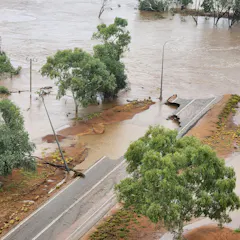
The Kimberley region of Western Australia is currently being devastated by flooding. Remote communities need more support with prevention and recovery plans.

Indigenous views and ways of knowing should be applied to the way we keep, use, and kill animals, and in how we teach future generations about animal use and their care.
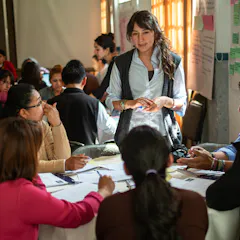
Harmful research practices have done serious damage to Indigenous communities and created distrust. The Collaborative Indigenous Research Digital Garden is one way to repair that damage.
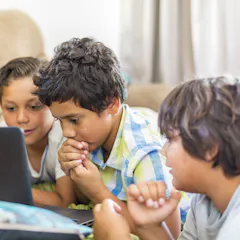
First Nations children continue to be overrepresented in incarceration to due to overpolicing. What can schools do to decolonise education and keep First Nations kids in school?
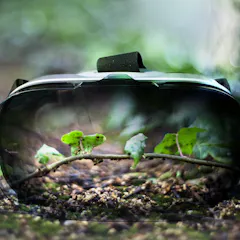
The use of virtual reality and augmented reality in environmental education is controversial, but there are clear benefits.

First Nations children are 20 times more likely to be incarcerated. Governments need to consider raising the age of incarceration and pursuing culturally-led care for these children.
Top contributors
-

Principal Advisor at Indigenous Climate Change, Indigenous Knowledge
-
Assistant Professor, University of Guelph
-
Sessional Lecturer, Department of Geography, University of British Columbia
-
Associate Dean (Indigenous Engagement) for the Faculty of Medicine, The University of Queensland
-
PhD Student, Anthropology, University of Victoria
-
PhD Candidate, The University of Queensland
-
Assistant Teaching Professor, Academic and Technical Writing Program, University of Victoria
-
Adjunct Professor, University of British Columbia
-
Senior Lecturer in Education/Applied Linguistics, Curtin University
-
Associate Professor, Melbourne Medical School, The University of Melbourne; Alan Turing Institute
-
Lecturer, Indigenous Education, Deakin University
-
Associate professor in education, Curtin University
-
Canada Research Chair, Indigenous Methodologies with Youth and Communities, University of Toronto
-
Expert in Indigenous climate adaptation, Indigenous Knowledge
-
Senior Lecturer - Indigenous Studies, Deakin University