

A scholar of Native American and Indigenous rhetorics writes about the harm done to Native American nations through colonization and what can be done to reduce it.
Articles on Indian Removal Act
Displaying all articles
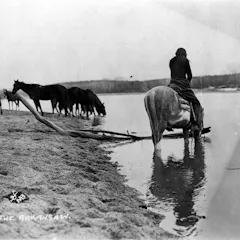
Despite the perpetrators being tried and convicted, anti-Indigenous sentiment roiled the area for decades.
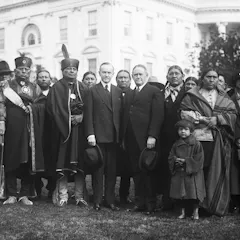
The Osage murders of the 1920s are just one episode in nearly two centuries of stealing land and resources from Native Americans. Much of this theft was guided and sanctioned by federal law.
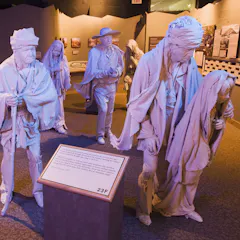
The right is explicitly laid out in the same treaty that led to the Trail of Tears.
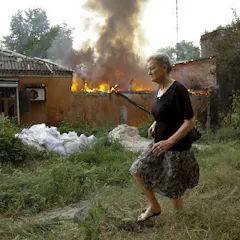
Russia and other countries and political regimes have a long history of forcing people to move, mostly for security and economic gains.
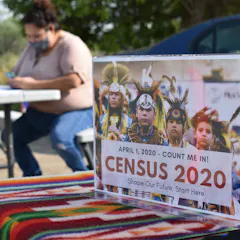
They’re called ‘pretendians’ – people who long identified as white but are now claiming to be Native American. In the last US Census, the number of Native Americans almost doubled because of them.

The name change of a local creek in central Iowa reflects broader national trends that are recognizing derogatory or racist connotations.
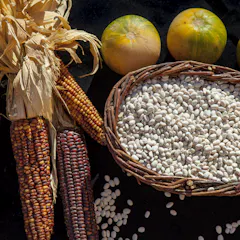
For centuries Native Americans intercropped corn, beans and squash because the plants thrived together. A new initiative is measuring health and social benefits from reuniting the “three sisters.”

The order requires Facebook, Twitter and Google to remove certain content globally, based on it being defamatory under India’s local law.
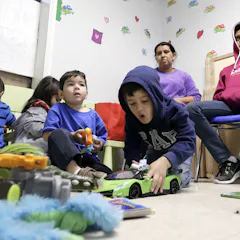
The US has a long history of separating families. Research shows the long-term effects of that trauma.
Top contributors
-

Executive Director, The Florida Institute for Child Welfare, Florida State University
-
Associate Professor of Indigenous Literatures, University of Dayton
-
Associate Professor of Anthropology, Iowa State University
-
Professor specialising in Internet law, Bond University
-
Associate Professor of American Religions, Iowa State University
-
Distinguished Professor of Anthropology; Director, Center for the Study of Genocide and Human Rights, Rutgers University - Newark
-
Indigenous Governance Program Manager and Professor of Practice, University of Arizona
-
Professor of Anthropology, The University of Texas at Austin
-
Associate Professor of English, University of Tennessee
-
Associate Professor in History, Penn State