
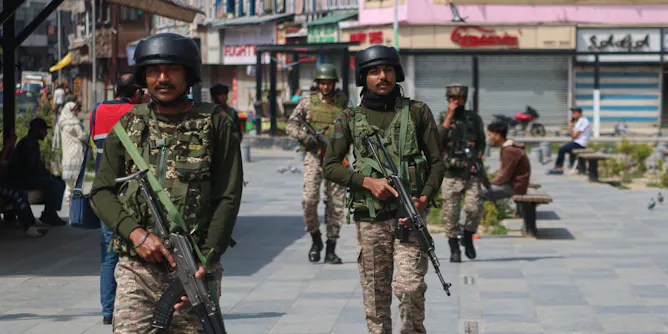
India and Pakistan have engaged in 4 wars since 1947. Tensions over the disputed region of Kashmir have often been the source.
Articles on India partition
Displaying all articles
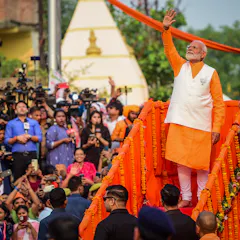
The Indian prime minister made reference to communities that have “too many children” in a veiled reference to Muslims.

Religious, racial and class-based differences often get politicized.
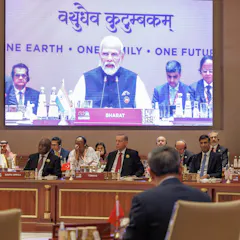
The government’s use of the Hindi word for ‘India’ revives debates over whether Hindi should be the national language – and reopens some old wounds.
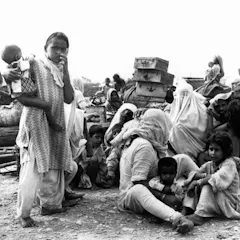
Effects of violence and forced migration on survivors’ mental health have not been acknowledged, despite the trauma being passed down generations.
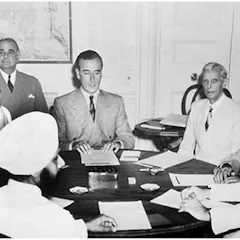
Seventy-five years after the partition of India, it’s time to dispel some commonly held misconceptions.
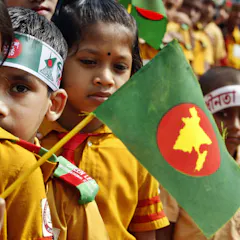
Pakistan, created during the 1947 partition, comprised two geographical areas, separated by over a thousand miles. The fault lines between the two regions resulted in the birth of Bangladesh.
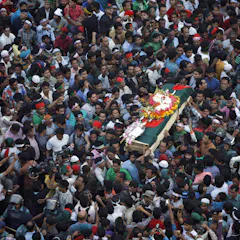
In recent years Bangladesh has seen an increase in attacks on religious minorities. A scholar explains how certain extreme views on how Islam is to be followed are taking center stage in the country.
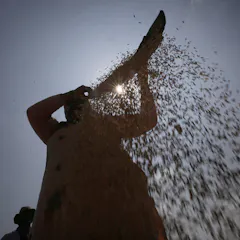
How will future generations of Indians view Kashmir’s contested history?
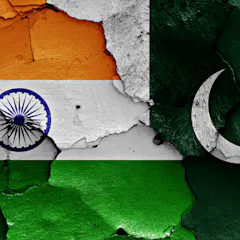
Ever since partition in 1947, South Asia’s two biggest players have been locked in sibling rivalry.
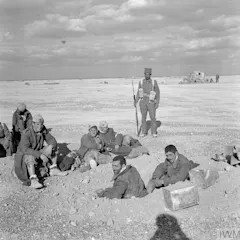
Letters home reveal what is was like to be an Indian soldier in World War II.
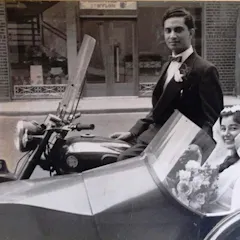
For some, the forced movement and brutalities of partition in 1947 led to new opportunities for women and migration to Britain.
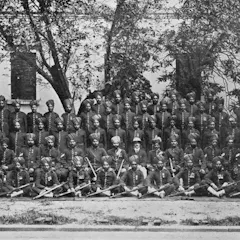
There is something disconcerting about the Western move to denounce the human rights records of post-colonial states.

How one member of the Indian Civil Service coped with being a colonial usurper.
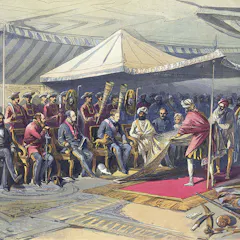
Intellectuals of the time saw the British Empire as the heir to the civilising influence of ancient Rome.
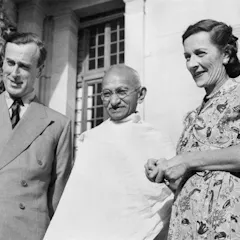
As the British Empire became an unaffordable burden, planning for India’s independence quickly ran into trouble.
Top contributors
-

Professor of Indian and Colonial History, University of Liverpool; Independent Social Research Foundation
-
Professor of History, Royal Holloway, University of London
-
PhD researcher, 19th century British travel literature on India and Italy, University of Nottingham
-
Doctoral Candidate, Department of Politics, Philosophy and Religion, Lancaster University
-
PhD Researcher, Department of English, King's College London
-
Professor of Anthropology and Cultural Studies, University of Sussex
-
Senior Lecturer in Political Communications, Nottingham Trent University
-
Senior lecturer in the history of modern South Asia, SOAS, University of London
-
Assistant Professor of History, Clemson University
-
Senior Professorial Lecturer, American University School of International Service
-
Assiatant Professor, International Institute of Information Technology, Hyderabad
-
Senior Professorial Lecturer of Global Governance, Politics and Security, American University School of International Service
-
Professor of Linguistics and English, Florida International University
-
Professor, Decolonising Arts Institute, University of the Arts London
-
Professor of Psychiatry, National Institute of Mental Health and Neurosciences, Bengaluru, India