
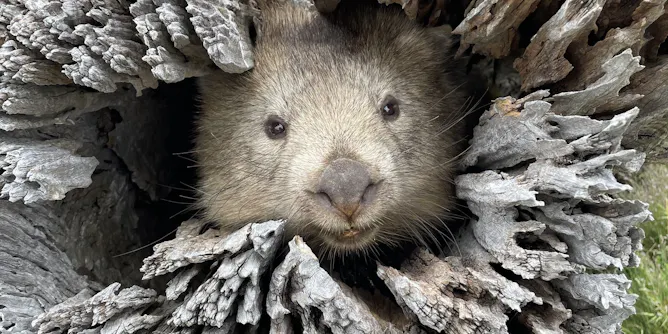
From wombat and mozzie surveillance to deciphering climate history and spotting star explosions, citizen scientists are instrumental in contributing knowledge.
Articles on iNaturalist
Displaying all articles
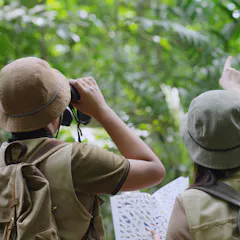
Citizen science offers people something simple but powerful: a reason to step outside, pay attention, and reconnect with the living world around them.
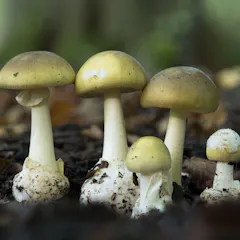
iNaturalist might turn out to be an important part of the murder trial, but how else can observations of plants and animals be used?

Summer is here and mosquitoes are ready to bite. Tracking them is important for staying on top of public health risks – and citizen scientists can help.

New research examines how citizen science data contributes to decisions by governments and conservation organisations about which species are at risk of extinction, and how they can be conserved.

With the help of citizen scientists, South African entomologists can work to keep invasive wasp populations from spreading.
The tangle of greenery along railway lines, flowers growing on vacant lots, or unmown grassy patches under power lines, it turns out people in cities engage with nature in all these spaces.
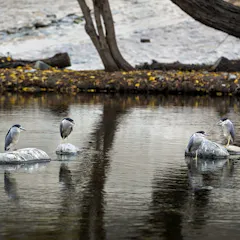
Even in a concrete jungle like Los Angeles, wild species show up in surprising places. New research identifies the types of wildlife that best tolerate urban development.
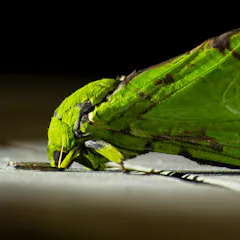
There would be no life on Earth without invertebrates, but they are understudied and underappreciated. The Bug of the Year competition aims to change that, so have your say and vote!
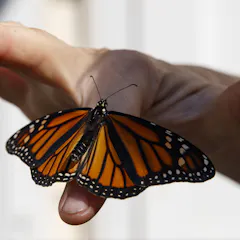
Informed data donations are different from the usual online data experience. They’re easier to manage because of technological advances.

Armed with smartphones, keen eyes and curiosity, students are learning to provide vital observations that add to our knowledge of the distribution of plant and animal species and how to conserve them.
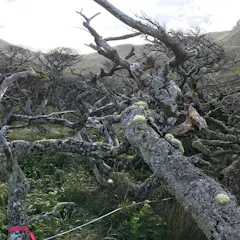
A team of researchers found the southernmost tree and forest on Earth at the extreme tip of South America. Wind limits where trees grow on Isla Hornos and those wind patterns are shifting.
Top contributors
-

Dean Students, College of Health, Adelaide University
-
Researcher Associate, Centre for Urban Research, RMIT University
-
Associate Professor & ARC Industry Fellow, Urban Ecology, Curtin University
-
Senior Lecturer in Ecology, University of Otago
-
Adjunct Fellow, Institute for Sustainable Futures, University of Technology Sydney
-
Ph.D. Candidate in Ecology and Evolutionary Biology, University of California, Los Angeles
-
Assistant Professor of Integrative Biology, University of Colorado Denver
-
Senior Scientist at SANBI, Stellenbosch University
-
Senior Research Scholar of Philanthropy and Civil Society, Stanford University
-
Professor and ARC Future Fellow, Hawkesbury Institute for the Environment, Western Sydney University
-
Curator, Amphibian & Reptile Conservation Biology, Australian Museum, UNSW
-
Sector Lead, Atlas of Living Australia, CSIRO
-
Research Fellow in Wildlife Conservation, Adelaide University
-
Postdoctoral Fellow, Evolution & Ecology Research Centre, UNSW Sydney, UNSW
-
Manager of Vector Surveillance, Adelaide University